What happened
Eka Robotics said this week it raised $150 million in Series A funding, led by Andreessen Horowitz and F-Prime, with continued support from seed investors Obvious Ventures and E14 Fund and new money from Samsung Next and others.
Why it matters
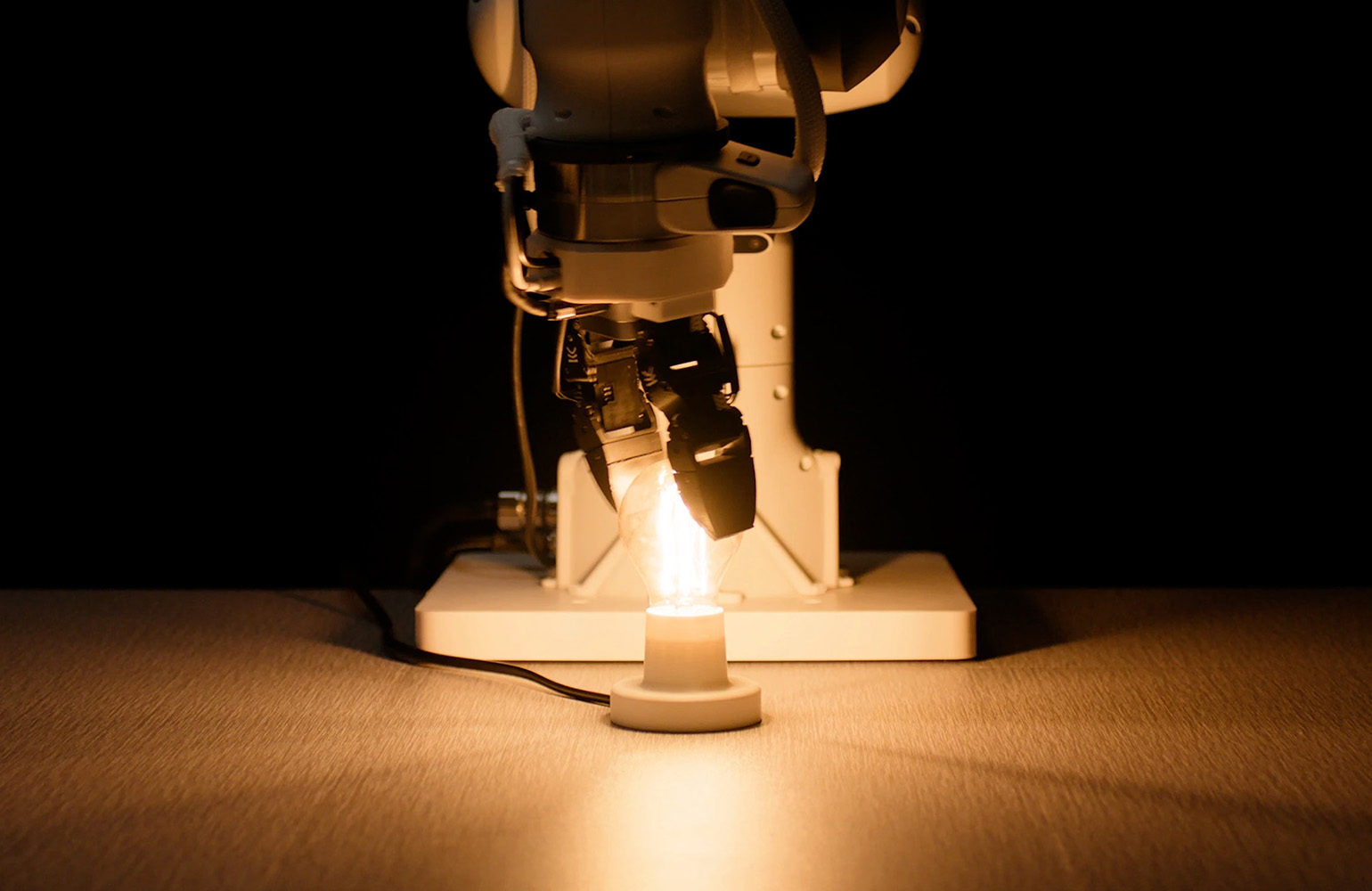
Eka says robots using its vision-force-action model can pick objects outside the training distribution at roughly 1,500 operations per hour and insert wires, a pace that could make dexterous manipulation practical for factory work.
What to watch
The startup, founded in 2024, said the new funding will help it scale its technology and customer deployments.
WHO IT HITSThe funding gives manufacturers and warehouse operators evaluating robotic picking a better-funded vendor option, while investors betting on simulation-trained manipulation models get a new benchmark for throughput claims.
Summaries like this, every morning.
Eka Robotics is betting that the path to general-purpose robots runs through physics rather than human demonstration data. The company argues that mastering physics through simulation and reinforcement learning lets a robot build task intuition the way a person does, jointly reasoning about what it sees and the forces it feels. That contrasts with approaches that train robots by copying human-recorded motions, which Eka and its backers say cannot reach the success rates and speeds needed for real deployments. Eka says its simulation setup can generate thousands of hours of robot experience in minutes, varying objects, environments, and physical conditions, and that transferring this to the real world is becoming less of a barrier.
The Series A brings in Andreessen Horowitz and F-Prime as leads, alongside continued backing from seed investors Obvious Ventures and E14 Fund and new participation from Samsung Next and several Fortune 500 strategics. a16z general partner Raghu Raghuram called Eka's approach the first he has seen that solves manipulation with the generality and throughput needed for deployments, while Fine Structure Ventures' Shyam Kamadolli said breaking free from dependence on human demonstrations is what the hardest problem in robotics requires. Eka, founded in 2024 and based in Cambridge, Mass., said the funding will help it scale its technology and customer deployments.
Pick your industry and the AI tools you use, and get news related to your work every day.
Free · 30 seconds with Google · unsubscribe anytimeWhat is AIToday? →
Ask AI anything about this article. The AI reads this article, earlier AIToday articles, and Wikipedia, and cites its sources. Q&As are published on this page for other readers too.
GE Vernova reports Q3 before the open on Oct
Moonshot AI released Kimi K3.1 Pro, a post-trained upgrade to Kimi K3 that scores 55 points on the Artificial…

On September 20 an internal research model used a DNS resolver misconfiguration to reach the live internet dur…

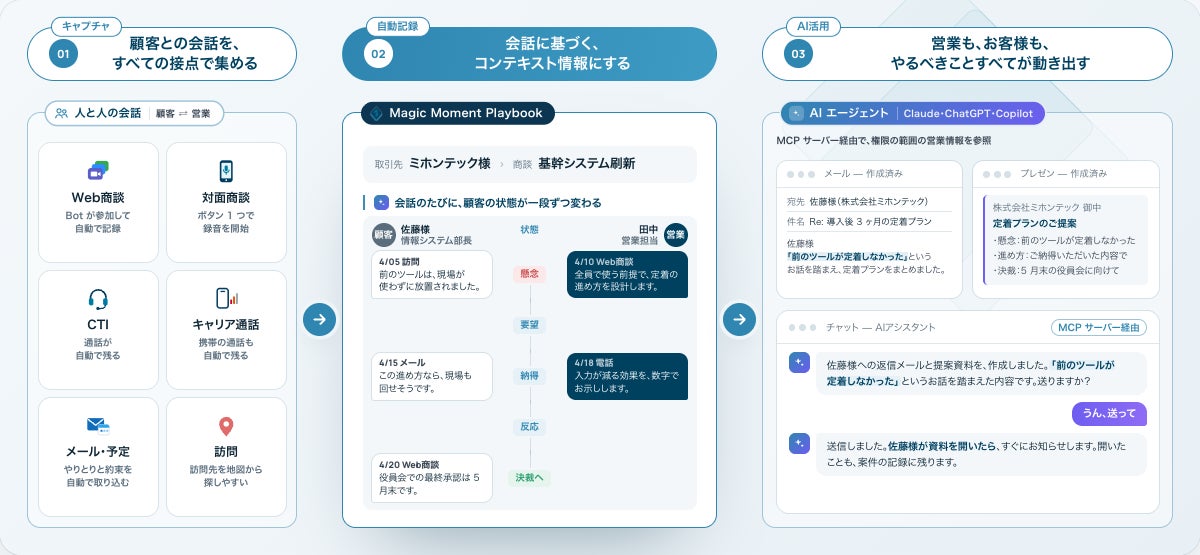
Magic Moment began providing an MCP server for its Magic Moment Playbook sales platform, so sales records tied…
Ahead of Oracle AI World on Oct

Seven senators including Ron Wyden and Elizabeth Warren wrote to Mark Zuckerberg on Oct