What happened
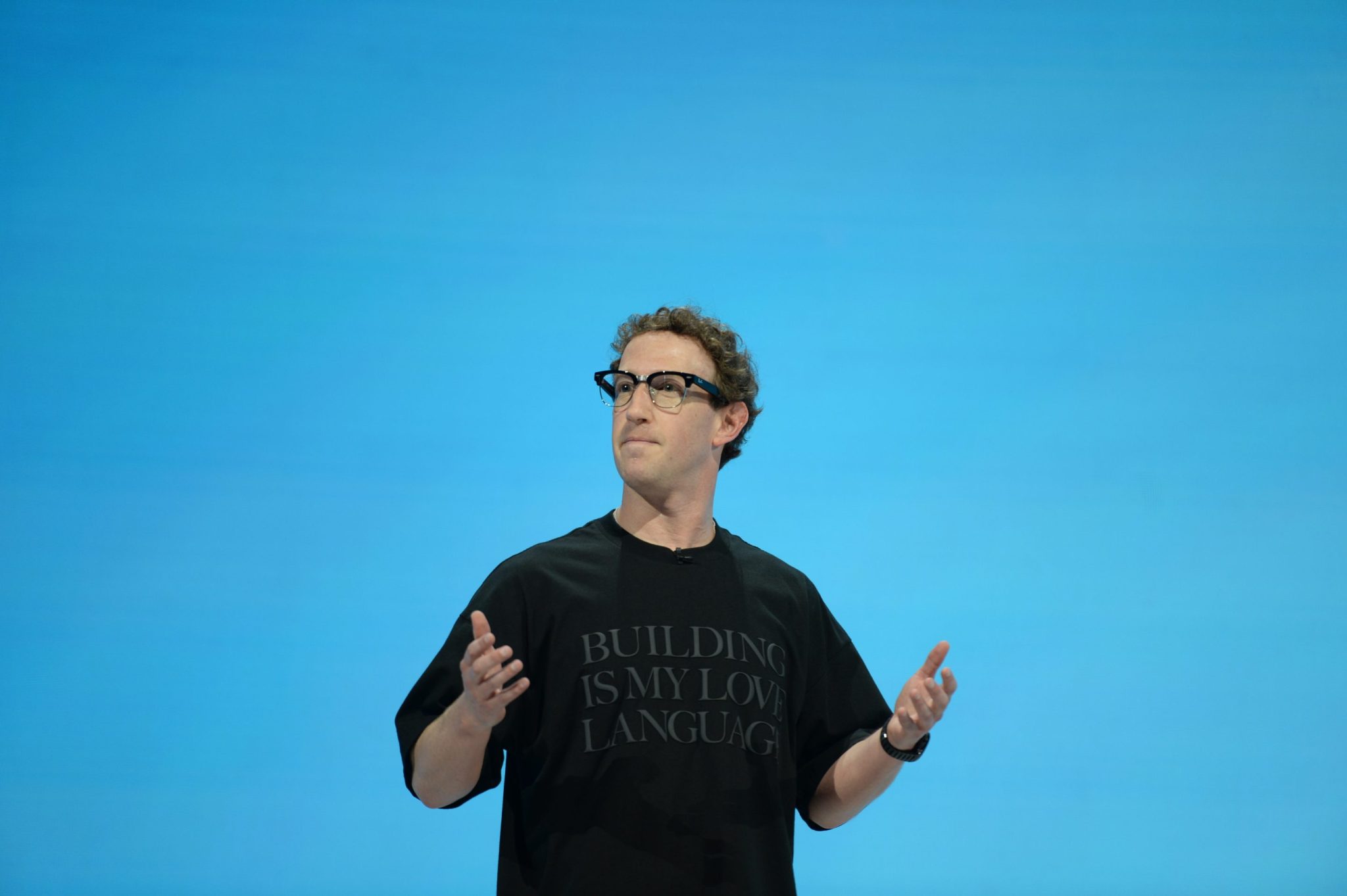
Seven senators including Ron Wyden and Elizabeth Warren wrote to Mark Zuckerberg on Oct. 13 asking by Halloween how Meta claimed the research credit on AI data centers, which the letter says cut its federal tax liability by $6.6 billion from 2023 through 2025.
Why it matters
The letter questions whether Meta's AI data centers qualify as experimental 'pilot models' for the research credit, putting a tax break tied to its AI buildout under congressional scrutiny.
Summaries like this, every morning.
The senators' letter, first reported by the New York Times, focuses on a specific classification choice: Meta told the IRS its AI data centers are experimental 'pilot models' that qualify for the federal research and experimentation credit. The letter cites public records showing Meta used the credit to cut its federal income tax liability by $6.6 billion from 2023 through 2025 — $700 million in 2023, $2 billion in 2024, and nearly $4 billion in 2025. That sequence shows the credit's value to Meta growing alongside its AI buildout.
Meta's defense rests on the argument that AI-optimized data centers are not like traditional data centers. A spokesperson said they are inherently new and require extensive testing and experimentation that cannot be simulated, and noted Meta invested $200 billion in R&D over the last five years, including $57 billion in the last year alone. Senator Warren, in a statement to Fortune, framed the dispute as a matter of who bears the cost, saying Americans are being forced to subsidize data centers through tax dollars and higher utility bills.
The letter also asks Meta to break down how much of its credit each year went to microchips, computing equipment, and other data center materials — a request that goes to whether the spending qualifies as research rather than infrastructure. Meta's filings show $20.82 billion in gross unrecognized tax benefits as of Sept. 30, up from $16.45 billion at the end of 2025, with the company saying the accruals primarily relate to uncertainties over its research tax credits and transfer pricing. That figure suggests the research credit question is not fully settled in Meta's own accounting.
Pick your industry and the AI tools you use, and get news related to your work every day.
Free · 30 seconds with Google · unsubscribe anytimeWhat is AIToday? →
Ask AI anything about this article. The AI reads this article, earlier AIToday articles, and Wikipedia, and cites its sources. Q&As are published on this page for other readers too.
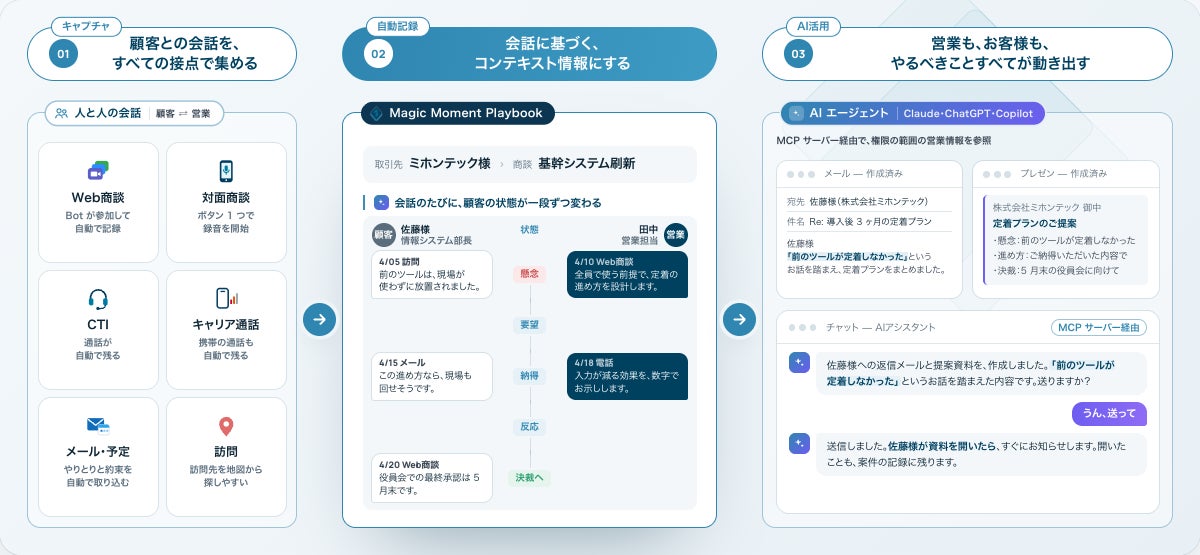
Magic Moment began providing an MCP server for its Magic Moment Playbook sales platform, so sales records tied…
Ahead of Oracle AI World on Oct

Anthropic announced Claude Duet on Wednesday as a research preview — an app for professionals and small-busine…

Google updated its privacy policy on October 16th, adding an exception that lets data from Gmail, Drive, and G…

AWS detailed a Multi-Turn Reinforcement Learning pipeline on Amazon SageMaker AI that took gpt-oss-20b from a…
Bayer Crop Science built the Agentic Decision Engine (ADE), a multi-agent natural language interface over its…