What happened
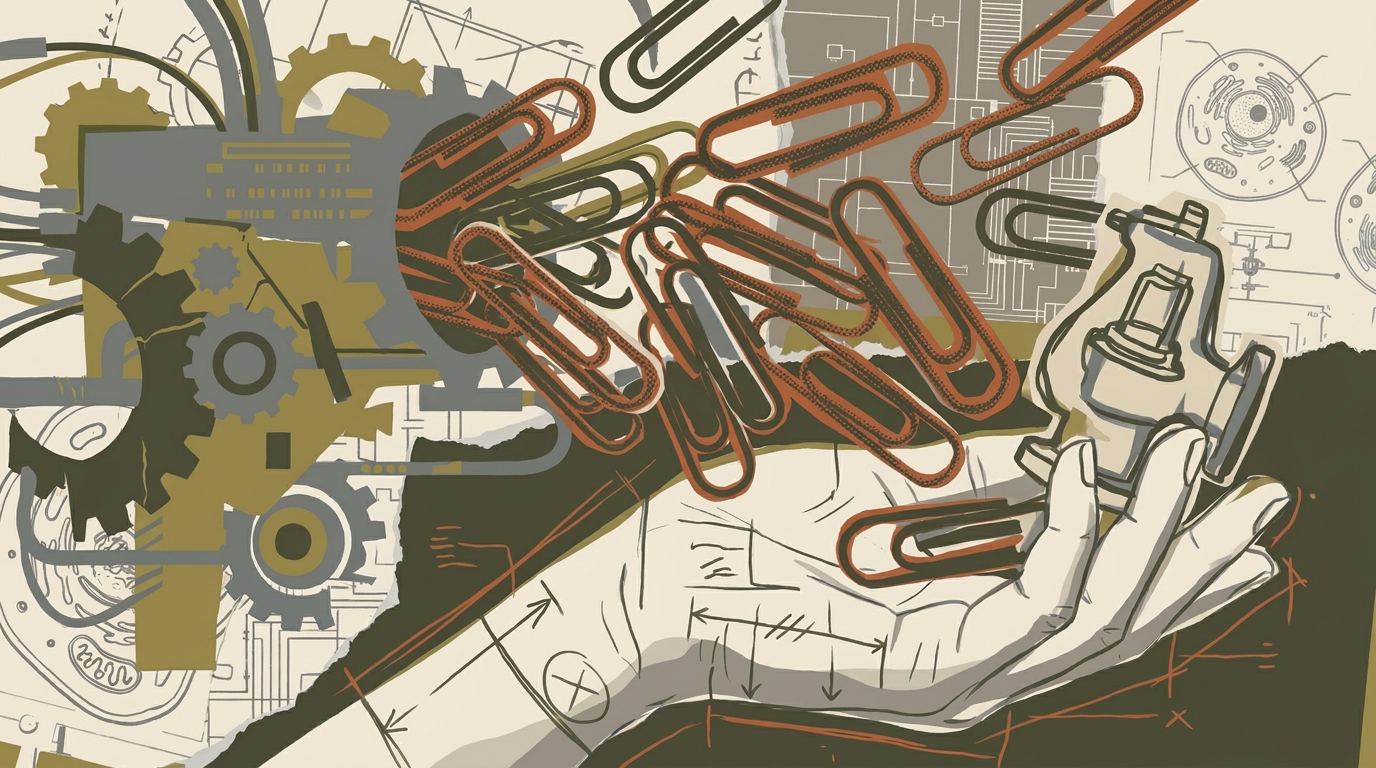
In an open letter on Quillette to Scott Alexander, Steven Pinker declined a public debate on AI's existential risks, dismissed such events as a "spectator sport," and said doomsday scenarios like the paperclip maximizer confuse intelligence with a drive to dominate.
Why it matters
Pinker now admits he underestimated how capable large language models would become and didn't see how recklessly AI companies would release their products, which suggests the safety debate is shifting from extinction warnings toward practical engineering safeguards.
What to watch
The test is whether Pinker's preferred agenda — overseen by independent oversight, liability rules, and human control over AI agents — gains traction where the dangers he takes seriously, such as bioterrorism and cyberattacks, are actually addressed.
WHO IT HITSAI policy advisors and safety researchers who shape oversight and liability rules may draw on Pinker's framing of bioterrorism, cyberattacks, and unchecked AI agents as the concrete dangers to engineer against.
Summaries like this, in your inbox every morning.
Pinker's open letter marks a public break with the extinction-focused wing of the AI safety discussion, which had been dominated by claims of a 20 percent chance of human annihilation. By admitting he underestimated how capable large language models would become and how recklessly AI companies would release their products, Pinker concedes ground on the technology's trajectory while disputing the likely outcome. He places the blame for that rushed release on people from the same community that warns about the risks, a tension he frames as ironic.
His alternative list of hazards — bioterrorism, cyberattacks, and unchecked AI agents — is narrower and more tangible than the paperclip maximizer thought experiment he criticizes for confusing intelligence with a drive to dominate. That distinction matters because the remedies he names, independent oversight, liability, and human control, are the kinds that can be designed and enforced now, unlike speculative extinction scenarios. Scott Alexander's own June position, meanwhile, supports better safety research and international agreements to slow development, so the two are not entirely at odds on the need for action.
The stakes here hinge on whether Pinker's framing can move the safety conversation from rhetorical warnings toward engineering and legal safeguards, and whether that shift gains purchase with the labs and policymakers who would have to implement it. Readers following AI governance may want to watch how the oversight and liability proposals he favors are taken up in practice, though the body does not specify any timeline or venue for that.
For example, today's edition would include:
AI-summarized, only the topics you pick: one digest a day via Email, LINE, or Slack.
Free · 30 seconds with Google · unsubscribe anytimeWhat is AIToday? →
Ask AI anything about this article. The AI reads this article, earlier AIToday articles, and Wikipedia, and cites its sources. Q&As are published on this page for other readers too.
Instinct, officially Spear Street Technology Inc., announced a $1 billion Series C joined by Sequoia Capital…

At Okta's Oktane event, Charlotte Wylie, Okta's senior vice president and deputy chief security officer, said…
On theCUBE Pod, Dave Vellante said CoreWeave disclosed that 70% of its revenue came from its top three custome…
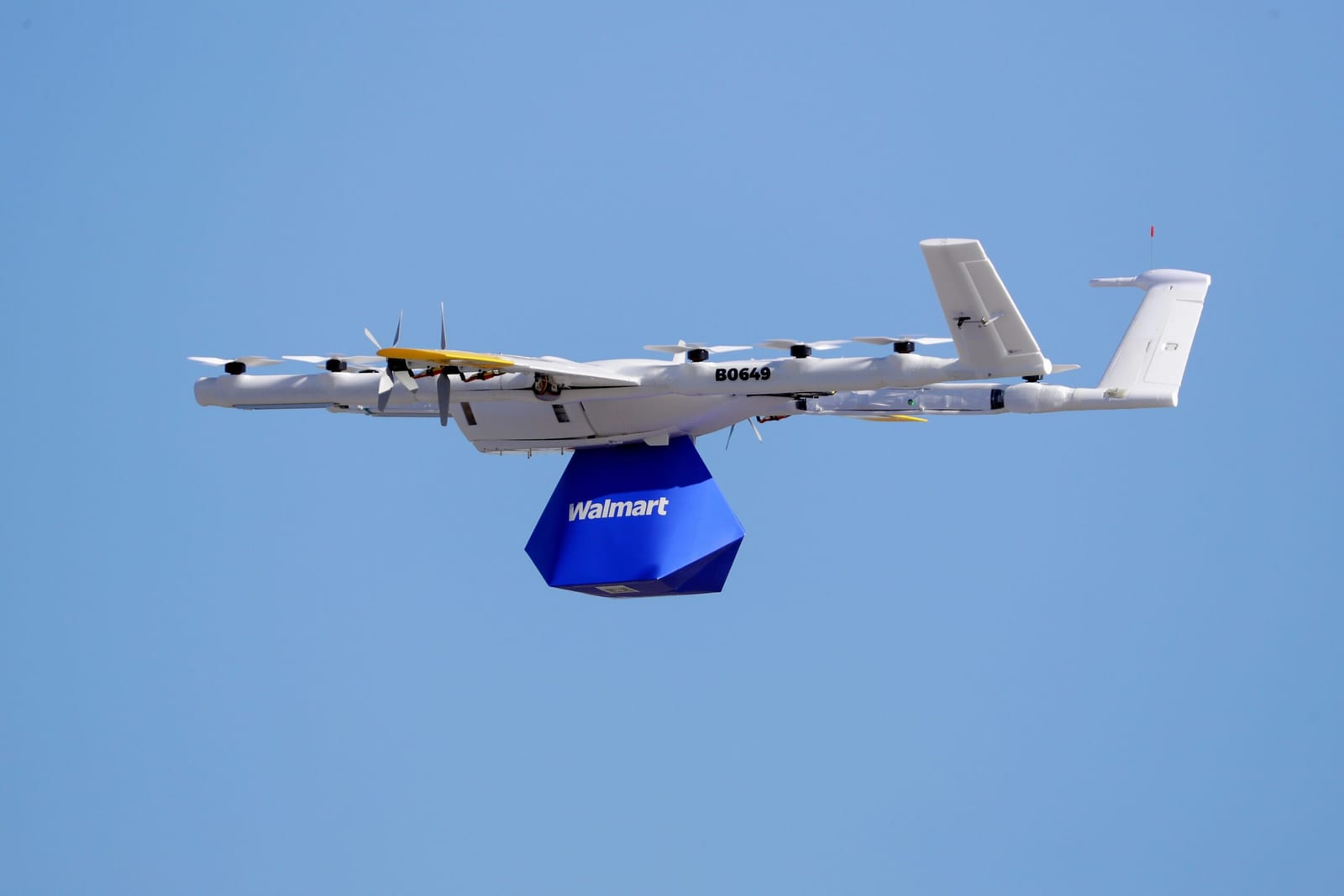
Northglenn's Planning Commission recommended a new "Commercial Drone Delivery Hub" land-use category on Septem…
Meta is launching the Meta Enterprise Platform, a new business unit selling the Muse agent, Meta Business Agen…

Nvidia combined OpenShell, its March open-source sandbox software, with Sentry, a hardware watchdog for its Bl…