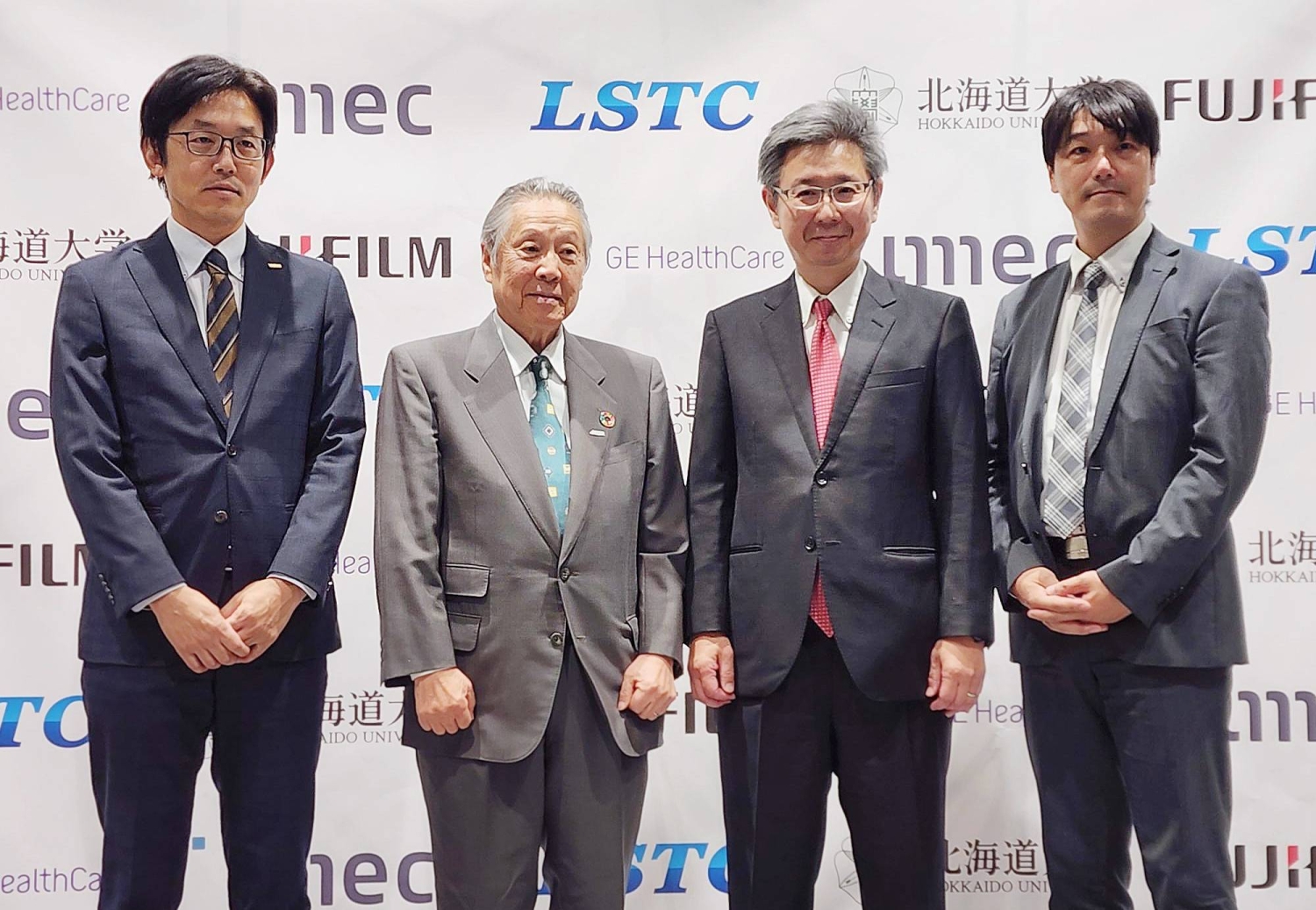
What happened
LSTC, Hokkaido University and Fujifilm said they will jointly develop an AI medical image-processing system, with Fujifilm handling AI for imaging and ultrasound tests and LSTC designing the semiconductors.
Why it matters
The partners aim to bring real-time image processing to medical sites while reducing power consumption, which could change how quickly clinicians get results from imaging and ultrasound exams.
What to watch
The system is expected to use semiconductors with a circuit line width of 2 nanometers from Rapidus, which aims to mass-produce the cutting-edge chips.
WHO IT HITSHospital radiology and ultrasound departments could eventually see faster image processing with lower power draw, though the project is still at the joint-development stage and no timeline for clinical use was given.
Summaries like this, in your inbox every morning.
The project brings together a government-backed chip research body, a national university and a major imaging company, each taking a distinct role: LSTC on semiconductor design, Hokkaido University on AI design and evaluation, and Fujifilm on the AI used for imaging and ultrasound tests at medical institutions. This division of labor suggests the partners are trying to pair advanced chip design with medical-imaging expertise rather than develop everything in-house.
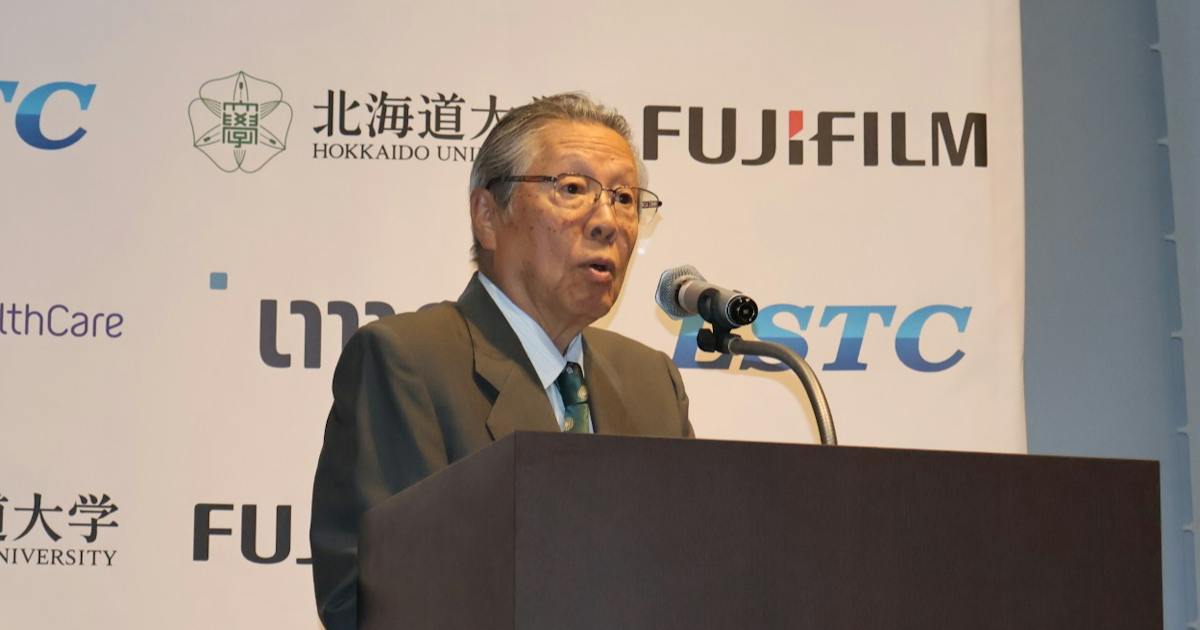
The system is expected to use 2-nanometer semiconductors from Rapidus, which aims to mass-produce the cutting-edge chips. That link is notable because LSTC's members include Rapidus, and LSTC Chairman Tetsuro Higashi is also chair of Rapidus. At a news conference in Tokyo on Tuesday, Higashi said the partners want to use cutting-edge semiconductors to develop technologies helpful at medical sites, framing the effort around practical clinical use rather than chip performance alone.
Pick your industry and the AI tools you use, and get news related to your work every day.
Free · 30 seconds with Google · unsubscribe anytimeWhat is AIToday? →
Ask AI anything about this article. The AI reads this article, earlier AIToday articles, and Wikipedia, and cites its sources. Q&As are published on this page for other readers too.
AstraZeneca has partnered with Oracle to apply AI to its clinical trials, Reuters reported

Pfizer has introduced an internal program called Fluency aimed at building AI skills across its workforce

Dr. Stephen Hoge, President of Moderna, discussed AI and the future of healthcare in a conversation with Black…

LSTC, with Rapidus and the University of Tokyo, plus Hokkaido University and Fujifilm, said on the 20th it wil…
Lunit will present five abstracts at ESMO 2026 (Madrid, Oct 23–27) using its Lunit Scope platform, including f…

OpenAI acquired Orchestra Bio, a platform for coordinating drug development, and is combining its team and tec…