What happened
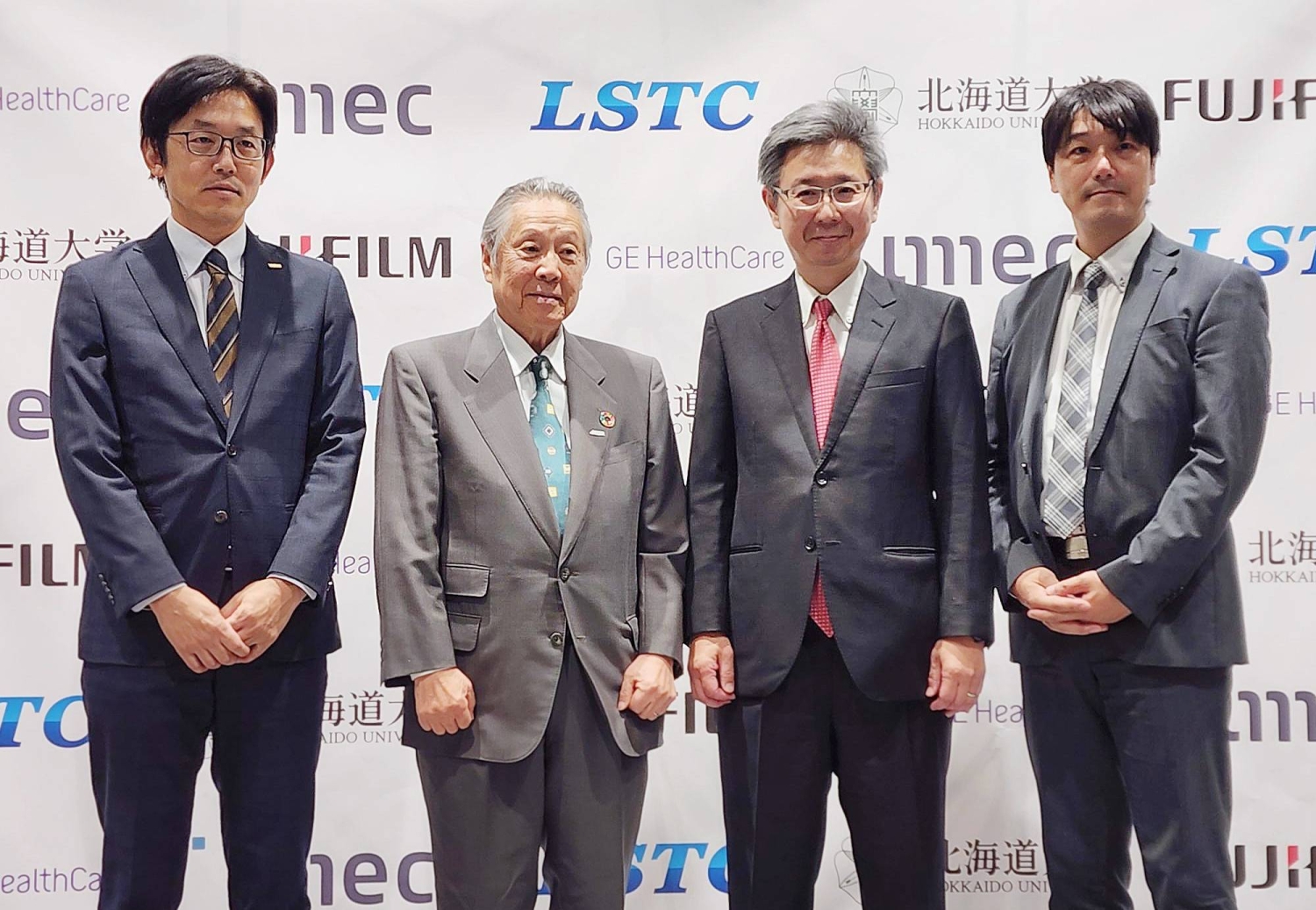
LSTC, with Rapidus and the University of Tokyo, plus Hokkaido University and Fujifilm, said on the 20th it will develop medical AI systems on 2nm chips, targeting over 5x faster image processing and over 10x better energy efficiency than current GPUs.
Why it matters
The partners say today's medical AI is held back by high power consumption and processing speed, so the 2nm approach is meant to make AI practical in real clinical settings.
What to watch
The project runs through September 2031, with IBM's 5nm chips used for verification through fiscal 2028 and 2nm chips tested at Hokkaido University Hospital from fiscal 2029.
WHO IT HITSHospitals and medical imaging teams could eventually get faster, lower-power AI for CT, MRI, ultrasound and surgical microscopy, while chipmakers and equipment vendors gain a proving ground for 2nm inference silicon.
Summaries like this, in your inbox every morning.
The announcement brings together a chip research center tied to Rapidus, a chipmaker that has not yet mass-produced 2nm silicon, and medical device and imaging players including Fujifilm and GE HealthCare. That mix suggests the project is as much about proving advanced chip designs in a demanding real-world setting as about the medical AI itself. The plan is staged: IBM's 5nm chips carry verification through fiscal 2028, and 2nm chips take over from fiscal 2029, with Hokkaido University Hospital as the clinical test site through September 2031. Notably, the manufacturing source for the 2nm chips is undecided, though professor Kudo called Rapidus the leading candidate, leaving the supply chain as an open question. The stated payoff is over 5x faster image processing and over 10x better energy efficiency than current GPUs, which the partners frame as a response to the power and speed limits that have constrained medical AI.
Pick your industry and the AI tools you use, and get news related to your work every day.
Free · 30 seconds with Google · unsubscribe anytimeWhat is AIToday? →
Ask AI anything about this article. The AI reads this article, earlier AIToday articles, and Wikipedia, and cites its sources. Q&As are published on this page for other readers too.
ASI Inc., formerly Air Space Intelligence, raised a $325 million Series C led by Spark Capital, valuing it at…

Google released TorchTPU, a version of the PyTorch framework that lets developers run existing AI apps and mod…

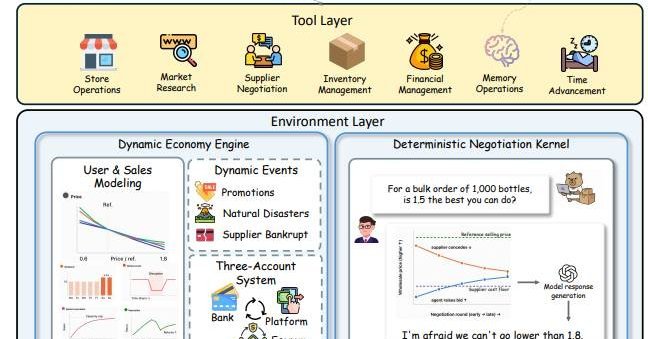
In a benchmark called E-Commerce Bench, 18 AI models ran up to four simulated shops for 365 days, using 18 too…
ITmedia's AI Plus released a 14-page booklet on using Gemini Notebook's (formerly NotebookLM) Studio feature…

Axon stock is down 54% from its 2025 peak and 30% year-to-date, even as the iShares Expanded Tech-Software Sec…

LSTC, Hokkaido University and Fujifilm said they will jointly develop an AI medical image-processing system, w…