
What happened
A Qiita tutorial shows how to pull stock data with yfinance, clean news text with nltk, classify sentiment with scikit-learn, and backtest a trading strategy in Python.
Why it matters
It gives non-specialists a step-by-step template for turning news and social media sentiment into a testable investment signal.
Summaries like this, in your inbox every morning.
It is written as a hands-on walkthrough rather than a report of a new tool or finding. It starts by noting that news and social media information matters for investment decisions, then lays out a six-step pipeline: collecting data, cleaning it, processing text, classifying sentiment, modeling a strategy, and backtesting.
The concrete example uses Apple stock data downloaded via yfinance from January 2020 through January 2023, alongside a placeholder news CSV. Text is cleaned by stripping URLs and special characters and lowercasing, then tokenized with nltk. A Naive Bayes classifier from scikit-learn is trained on labeled positive and negative sentiment, and its accuracy is printed. The strategy assigns a score of 1 for positive predictions and -1 for negative ones, multiplies the prior day's score by the stock's daily percentage change, and computes a cumulative return.
The closing section notes that results are sensitive to data source choices, model complexity, and backtest settings, and urges risk management and portfolio diversification. It also points readers to the author's profile for infrastructure details and further statistical validation data.
Pick your industry and the AI tools you use, and get news related to your work every day.
Free · 30 seconds with Google · unsubscribe anytimeWhat is AIToday? →
Ask AI anything about this article. The AI reads this article, earlier AIToday articles, and Wikipedia, and cites its sources. Q&As are published on this page for other readers too.
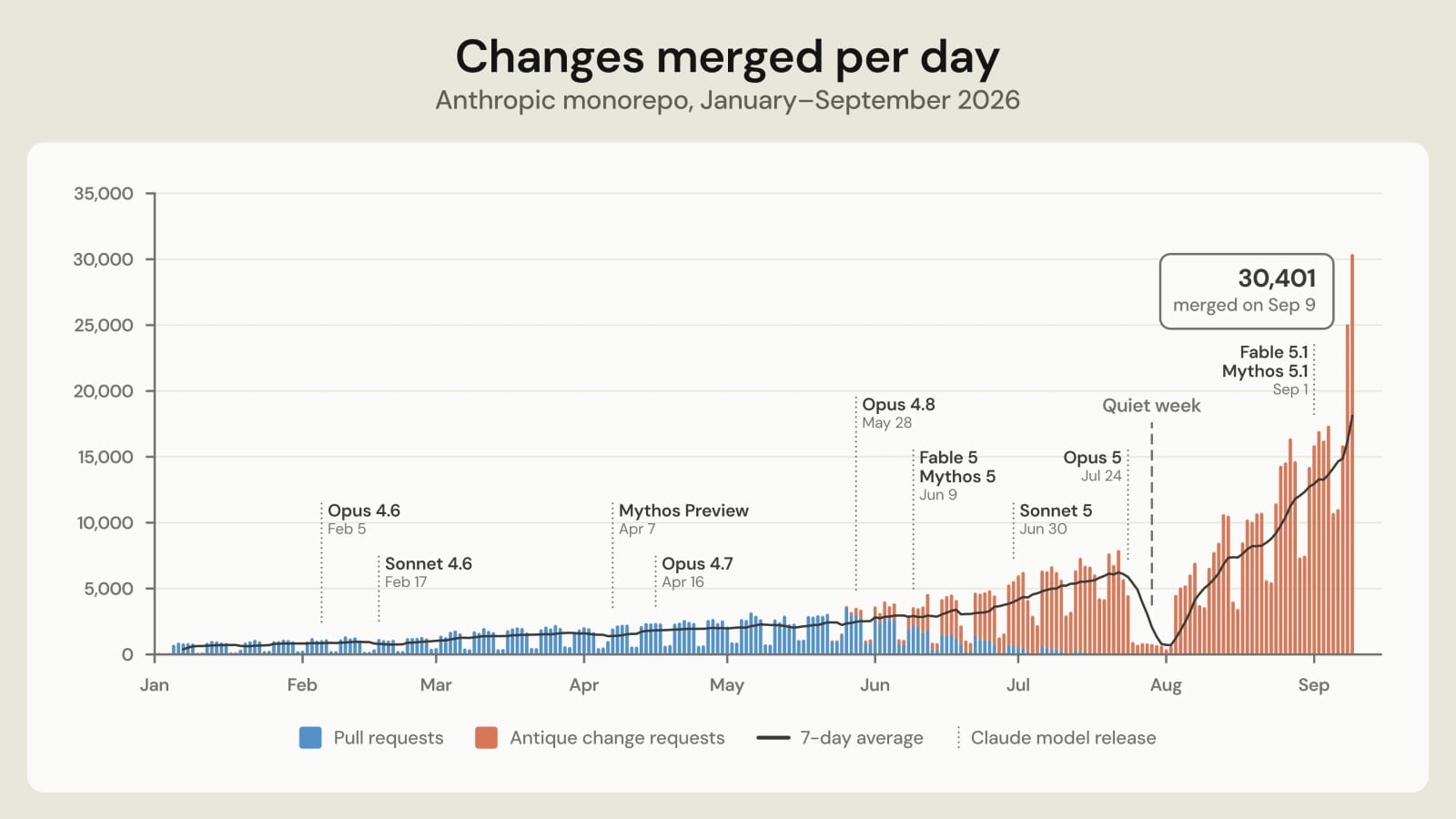
Anthropic announced Scion, a version-control system replacing Git, plus a code-review system, Antique

NVIDIA may expand its stake in Reflection AI, an open-weight AI startup, a step linked to NVIDIA pushing furth…

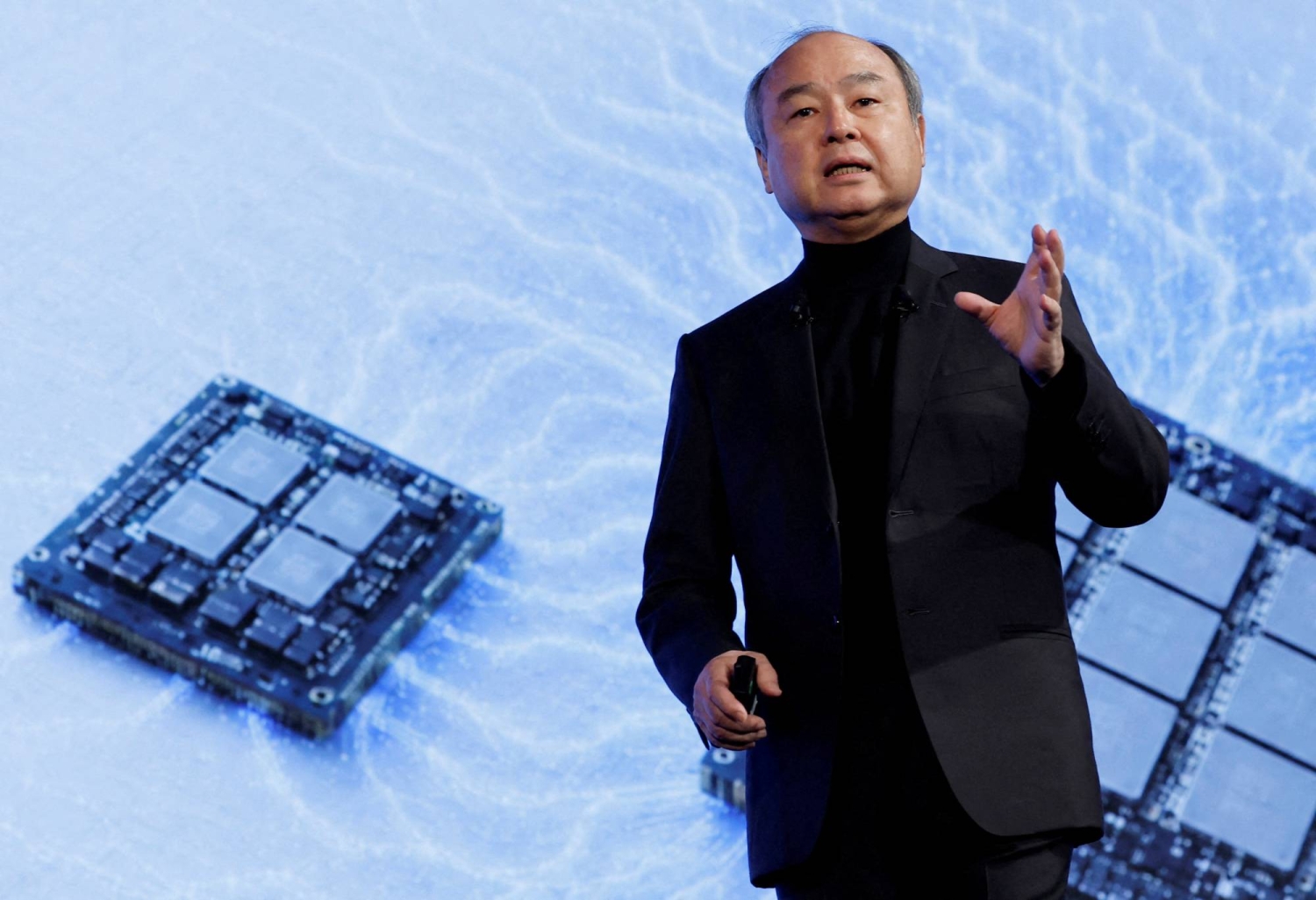
SoftBank promised its highest-ever yields in a record $11 billion junk-bond offering, adding to a surge in cor…
Anthropic built Scion, its own source control system to replace Git, completed the migration in five months wi…
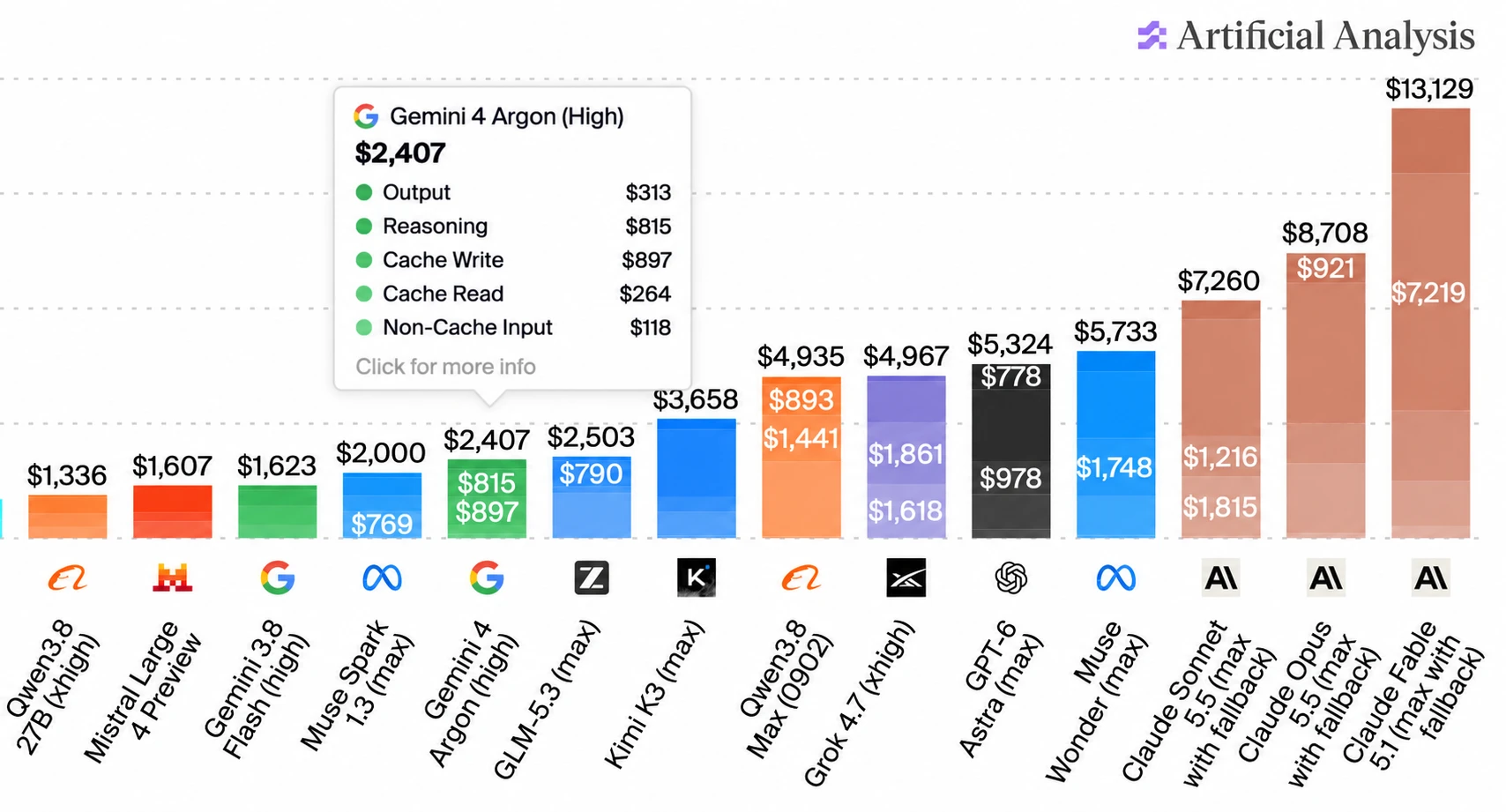
Simon Willison added Gemini 4 Argon support to llm-gemini, his Gemini API tool
GitHub released Stacked pull requests in public preview on July 30, 2026 and made them generally available on…


