
What happened
The Zacks Research Daily featured new reports on AMD, Linde and Amgen, whose shares have outperformed their industries year-to-date, while micro-cap INNOVATE also drew coverage.
Why it matters
All three large-cap names carry a Neutral rating, meaning Zacks sees the upside from AI demand, contracted growth and new drug launches as balanced by execution and margin risks.
What to watch
AMD's ability to manage tight supply across wafers, packaging, memory and rack components as Helios scales, and whether Amgen's pipeline setbacks and upcoming LOE cliff weigh on results.
WHO IT HITSInvestors holding or considering positions in AMD, Linde, Amgen or INNOVATE should note the Neutral ratings and the specific risk factors Zacks flags, which may inform their buy, hold or sell decisions.
Summaries like this, in your inbox every morning.
The Zacks Research Daily for September 18, 2026 highlights three large-cap stocks—AMD, Linde and Amgen—that have each outperformed their respective industries year-to-date. AMD shares are up 154.6% versus 117.1% for the Zacks Computer - Integrated Systems industry, Linde is up 8.6% versus 5.9% for Chemical - Specialty, and Amgen is up 18.4% versus 8.7% for Medical - Biomedical and Genetics. The common thread is that all three combine strong growth drivers with notable risks, leading Zacks to a Neutral stance on each.
For AMD, the growth story centers on AI infrastructure demand, with EPYC server CPUs and Instinct accelerators gaining traction and Helios beginning its production ramp. Multigigawatt commitments from leading model developers improve visibility into AI deployments, and management expects server growth to remain elevated into 2027. However, tight supply across wafers, packaging, memory and rack components raises execution risk as Helios scales, while data center AI mix can constrain gross-margin expansion.
Linde's case rests on a resilient business model with long-term customer contracts, a sizable project backlog, and Electronics as its fastest-growing end market, supported by AI-linked semiconductor demand and new U.S. and Taiwan investments. Yet industrial demand remains uneven, with soft EMEA volumes, Middle East disruptions affecting parts of Asia, and currency variability adding risk. Amgen's growth comes from key medicines like Evenity, Repatha and Uplizna, plus newer drugs Imdelltra, Tavneos and Tezspire, offsetting declines in oncology biosimilars and Enbrel. But price declines, increased competition, and declining sales of Prolia and Xgeva due to biosimilar launches are headwinds. The outcome for all three hinges on whether their growth drivers can outpace the execution, margin and pipeline risks Zacks identifies.
For example, today's edition would include:
AI-summarized, only the topics you pick — one digest a day via Email, Slack, or Discord.
Free · 30 seconds with Google · unsubscribe anytimeWhat is AIToday? →
Ask AI anything about this article. Q&As are published on this page for other readers too.
Mastercard rolled out a payment option Thursday that gives an AI agent a virtual card to buy online without ch…

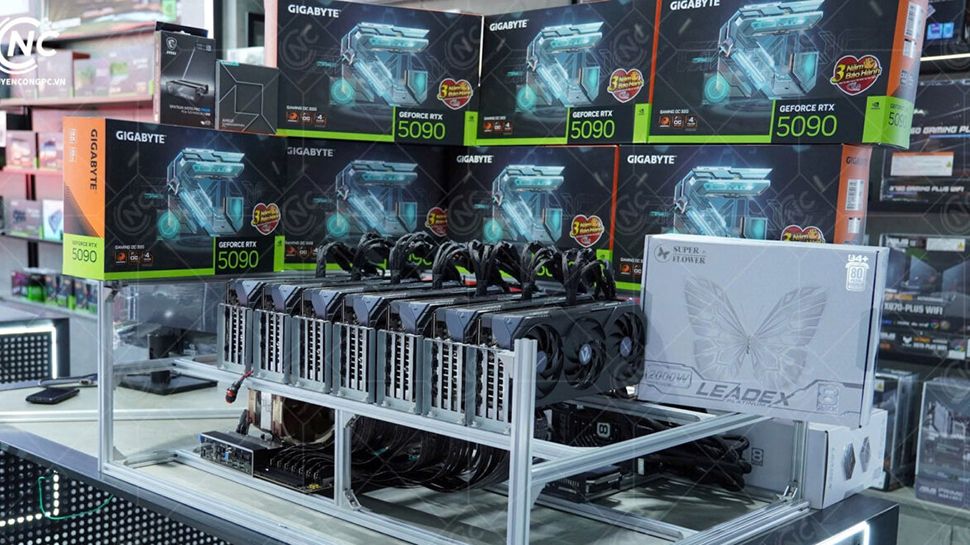
The RTX 5090, launched at $1,999, now costs over $6,000 at US retailers, with third-party listings above $9,00…
Palantir CEO Karp spoke bluntly in the AI risk debate, saying aloud what the article frames as the quiet part

Co-CEO Clay Magouyrk said Oracle last year hadn't found broad internal use for generative AI; after rolling ou…
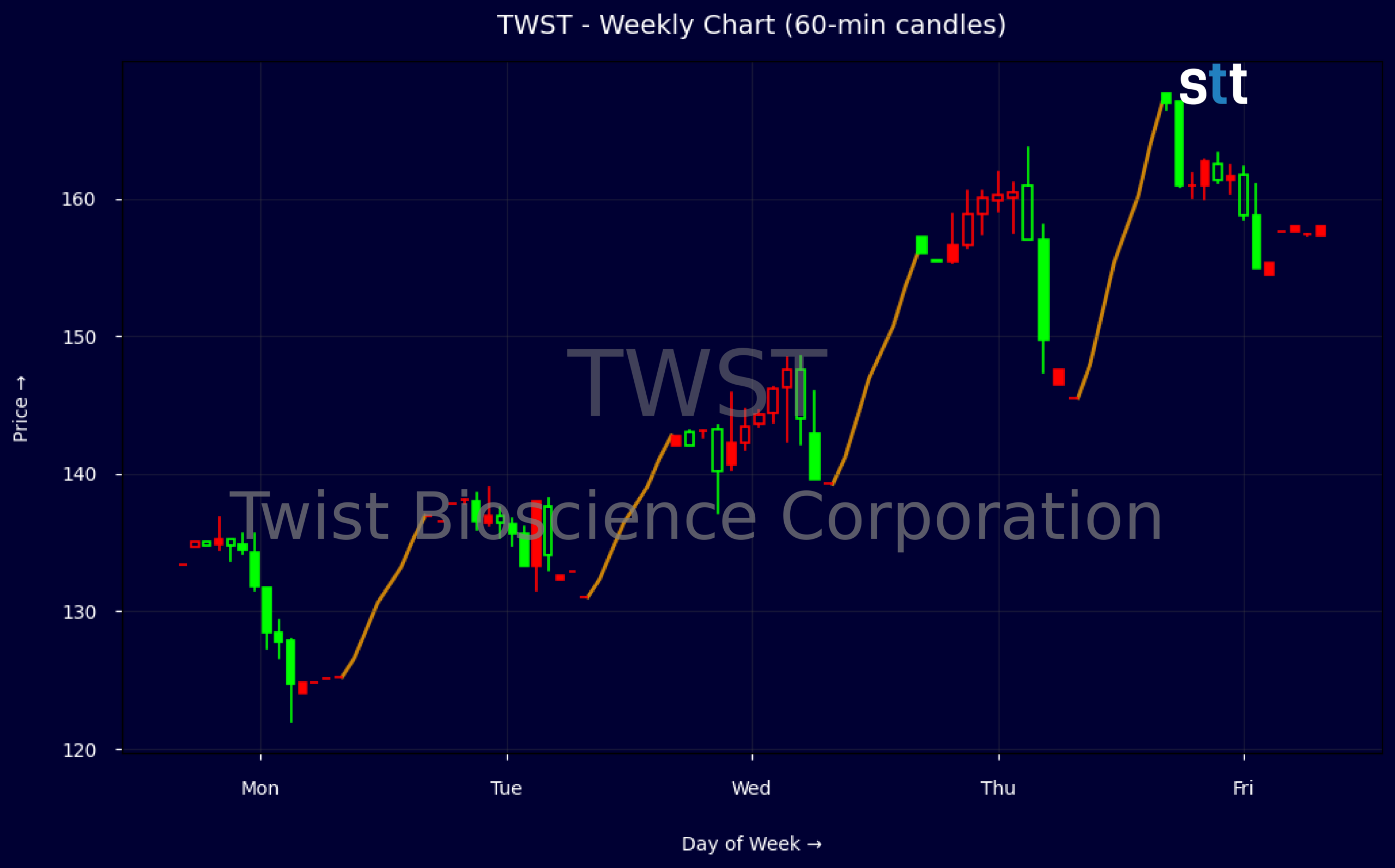
Twist Bioscience signed an agreement to provide antibody characterization data and services to Eli Lilly's AI/…
At the AWS Global Meeting on September 17, Chief AI and Technology Officer Matt Wood named Trainium for comput…


