What happened
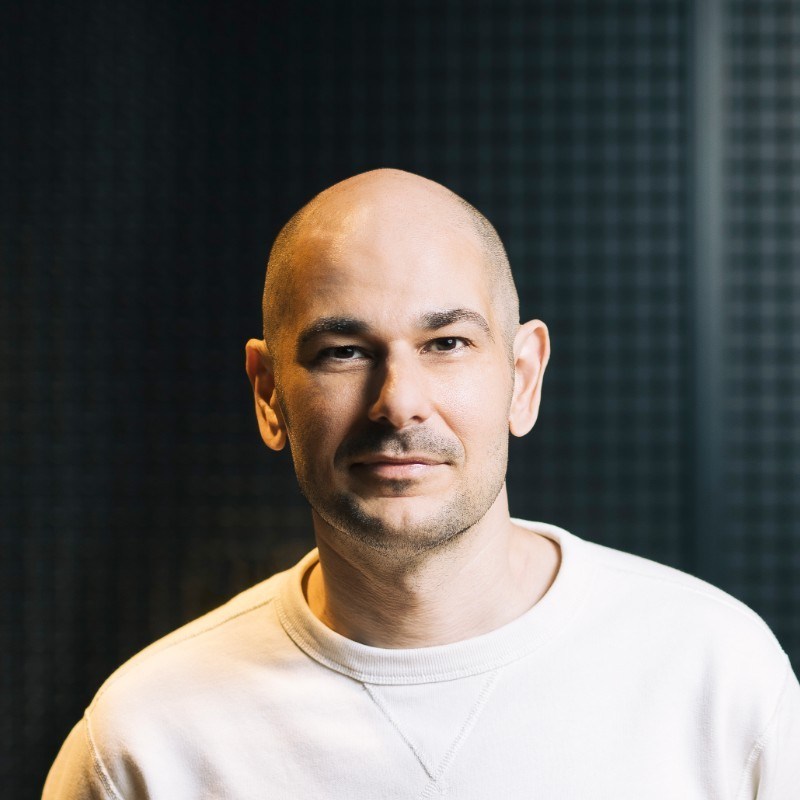
Daytona raised a $60 million Series B at a $1 billion valuation, led by FirstMark, with backers including Patrick Collison and Tobi Lütke. Total raised to date is about $91 million.
Why it matters
The funding signals investor conviction that AI agents need purpose-built cloud infrastructure rather than existing hyperscaler offerings, as Daytona argues agents demand a new kind of cloud.
WHO IT HITSThe funding lands on AI companies that need sandboxes to train and test models, and on enterprises deploying agents at scale, since Daytona counts Anthropic, OpenAI, Nvidia, Cursor, Cognition, Meta and Cohere among its customers.
Summaries like this, in your inbox every morning.
Daytona's raise comes as AI agents—software that can write and run code, browse the web or operate business software—increasingly need their own virtual machines to work safely and persistently. The startup was founded in 2023 by Burazin, Goran Draganić and Vedran Jukić to automate software development environments for large enterprises, but pivoted when the founders saw that agents would need computers too. Burazin told Fortune that the pivot meant giving away the company's existing customers and rebuilding everything, leaving about three months of revenue in the bank before relaunching.
The funding round drew an A-list roster of Silicon Valley founders, including Stripe's Patrick Collison, Shopify's Tobi Lütke, Perplexity's Aravind Srinivas, Quora's Adam D'Angelo and Zoom's Eric Yuan, alongside strategic investors Qualcomm Ventures, Samsung Next and Okta Ventures. Matt Turck, a partner at FirstMark, said in a statement that the firm believes the next infrastructure shift is from human-centric cloud primitives to agent-native ones—a bet reflected in the round's size and backers.
Burazin distinguishes Daytona from "neocloud" providers like CoreWeave and Nebius, which build GPU-heavy data centers for training and running AI models. He argues that running virtual machines requires traditional CPUs, and forecasts a coming CPU shortage as agentic workloads grow. He pointed to Meta's Muse agent, launched in September, which he said has "a computer underneath for every single chat," and estimated by his back-of-the-envelope math that Muse would need $2.8 billion worth of sandboxes to serve 100 million users.
Pick your industry and the AI tools you use, and get news related to your work every day.
Free · 30 seconds with Google · unsubscribe anytimeWhat is AIToday? →
Ask AI anything about this article. The AI reads this article, earlier AIToday articles, and Wikipedia, and cites its sources. Q&As are published on this page for other readers too.
Thought Industries Inc. launched Lens, an AI product that flags conflicting product knowledge before customers…

Scaled Cognition is introducing Voice, a text-to-speech model available via API or self-hosted, supporting mor…

AuxoAI Inc. raised $20.7 million in a Series A led by NTT Venture Capital, with participation from executives…

IBM, Red Hat and Google released llm-d version 1.0, adding multi-tenant quality of service, zero-downtime upgr…

Vectorial AI Inc. raised $3 million in seed funding, jointly led by Smilegate and SenseAI Ventures, to launch…
Firefly Technology Inc. raised $20 million in a Series A round led by Definition Capital, with BoxGroup and Su…