LARS (Low-memory Activation-Rank Subspace) constrains the activation subspace during training rather than model parameters, directly targeting memory consumption instead of sequence length scaling.
LARS reduces memory footprint by an average of 33.54% on GPUs and 51.95% on CPUs compared to LoRA while maintaining competitive accuracy and throughput across reasoning, understanding, and long-context datasets.
The method has been deployed on Raspberry Pi and consumer-grade CPUs, demonstrating that sophisticated LLM personalization can run on resource-constrained hardware and edge devices.
Ask the AI about this article →
For example, today's edition would include:
AI-summarized, only the topics you pick — one digest a day via Email, Slack, or Discord.
Free · takes 30 seconds · unsubscribe anytimeWhat is AIToday? →
Ask AI anything about this article. Q&As are published on this page for other readers too.
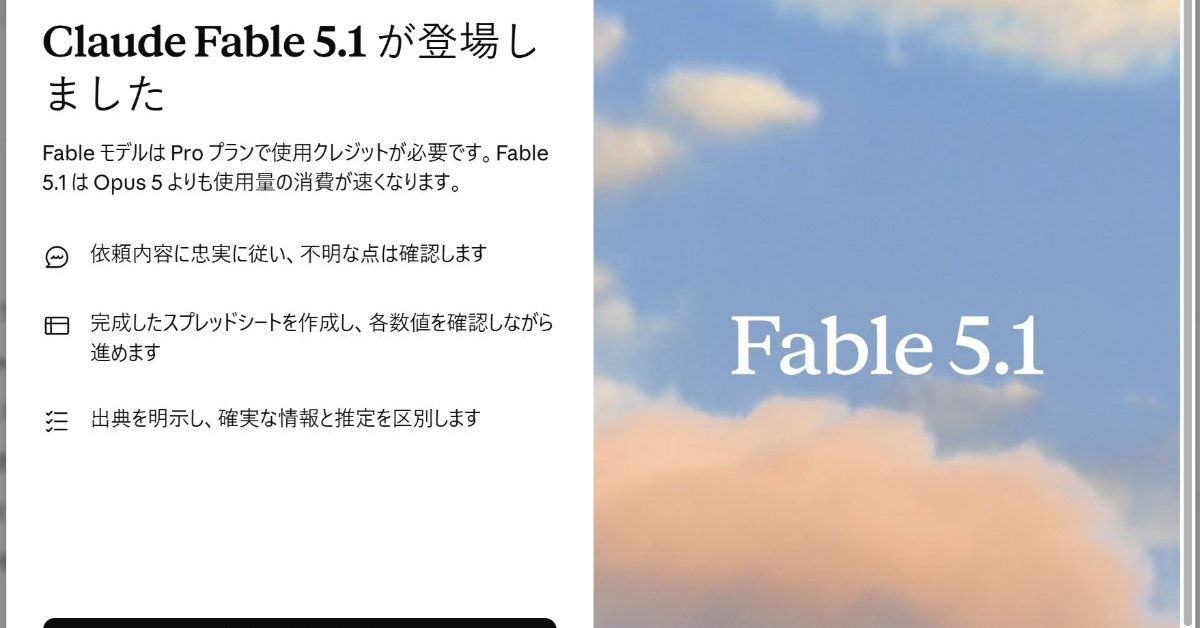
Anthropic announced Claude Fable 5.1 and Claude Mythos 5.1 on September 1
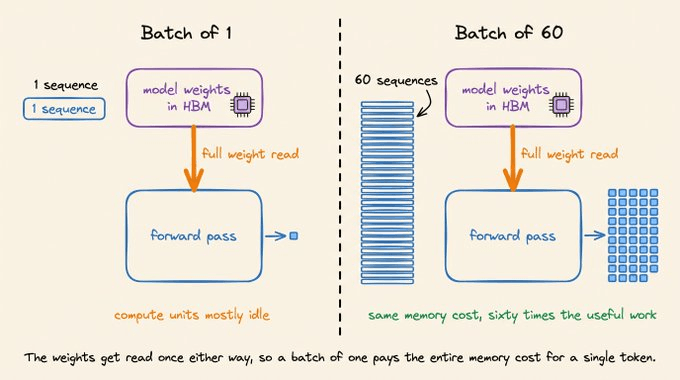
A technical explainer compares three LLM serving strategies—static, dynamic, and continuous batching
Anthropic's latest model, Claude Fable 5.1, is now available on Snowflake Cortex AI
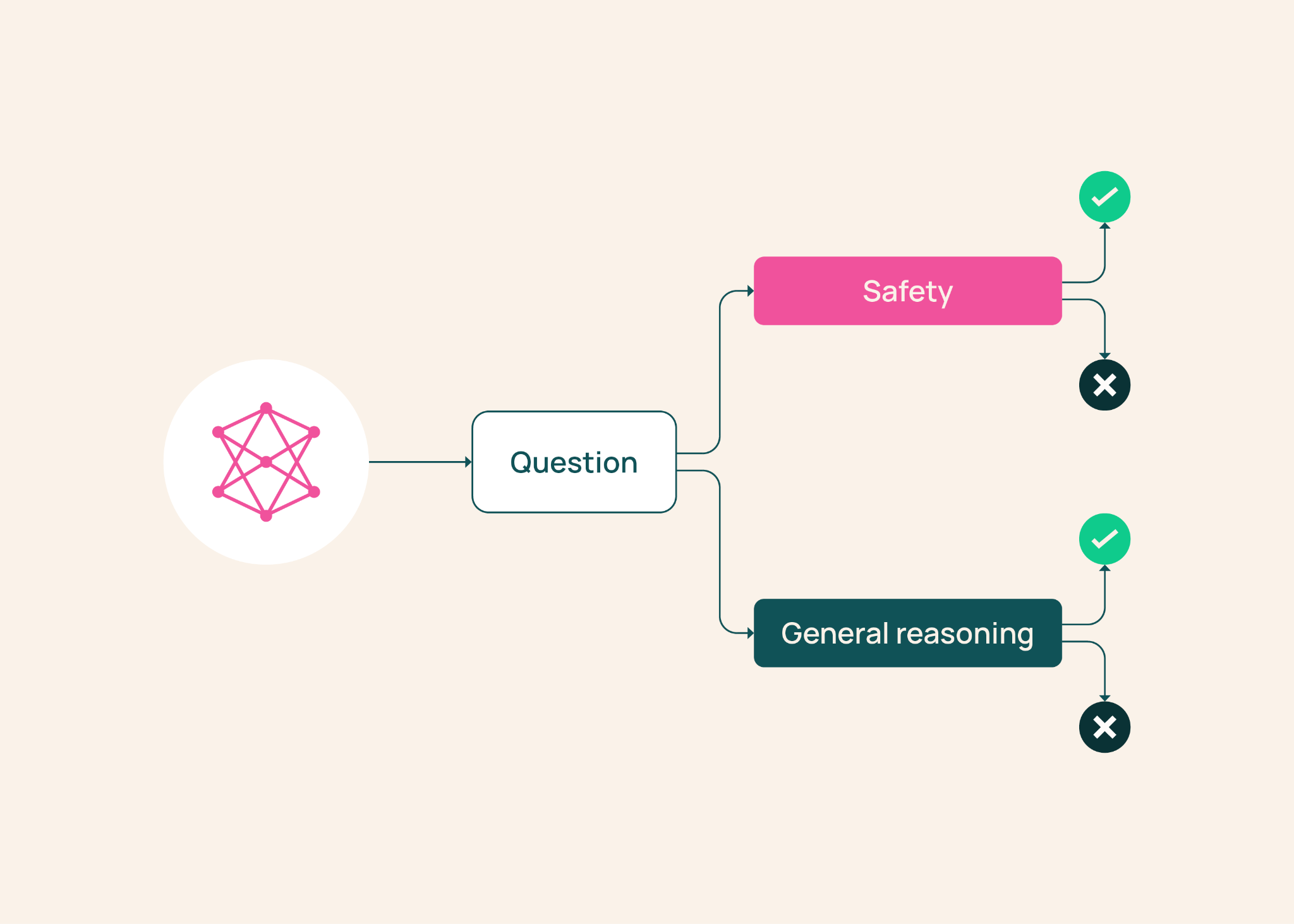
The Allen Institute for AI released BenchMIRT, a method to audit AI benchmarks question-by-question
Google has reportedly approached major studios like Disney, Warner Bros

OpenAI shared new details on its forthcoming Astra model, which the company says is the first large language m…