What happened
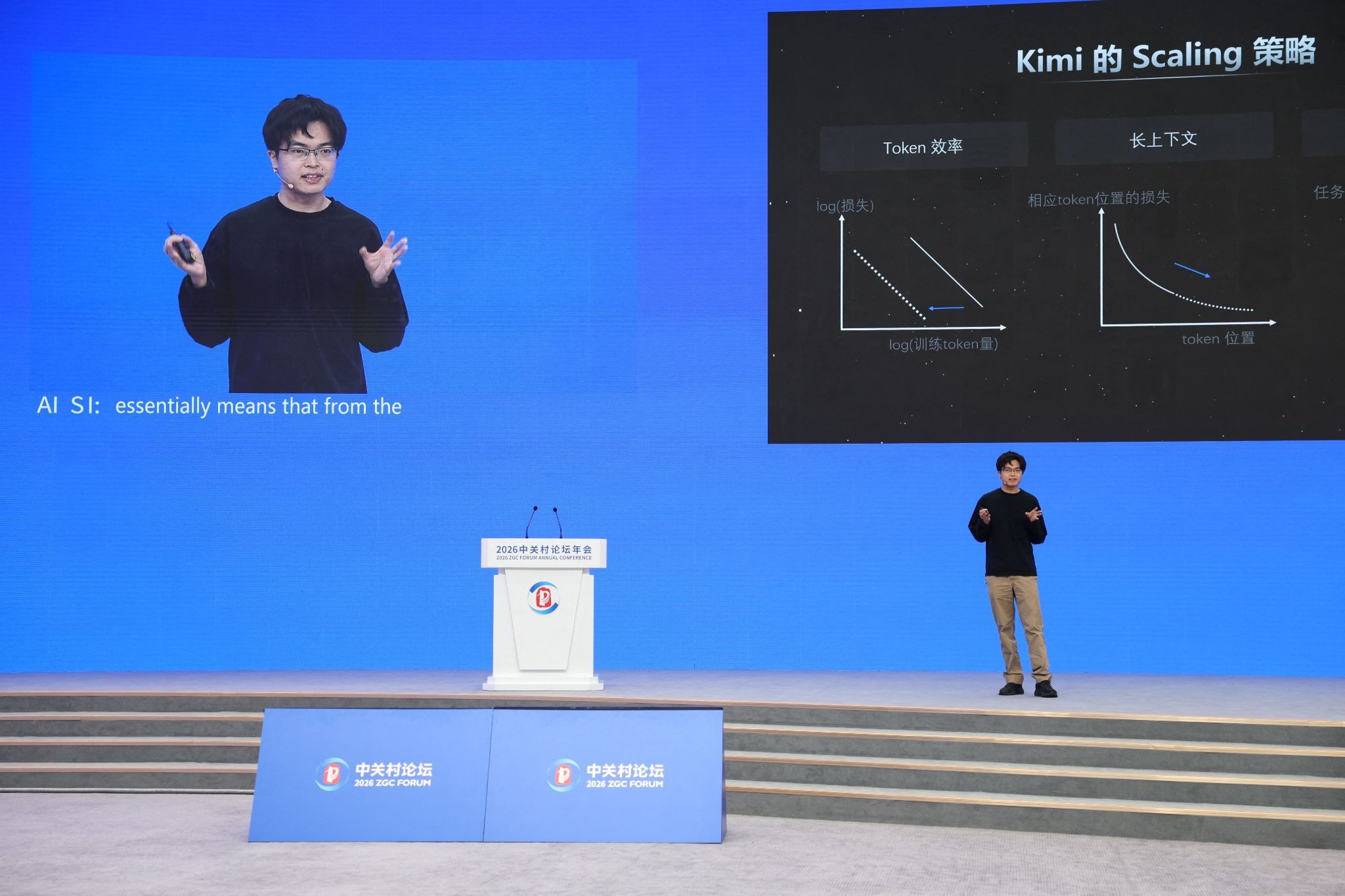
Moonshot released Kimi K3, an open-source AI model that analysts say demonstrates China's narrowing gap with American AI capabilities. The release coincided with Xi Jinping's speech at China's flagship AI conference, where he positioned Beijing as a global leader in open-source AI.
Why it matters
The model's sophistication challenges the effectiveness of US chip export restrictions and raises questions about whether American tech giants' heavy AI spending is justified. One China AI expert called K3 an 'ambitious, even risky attempt to get rid of the old stereotype of Chinese models as a cheap alternative,' signaling that Chinese AI is moving upmarket.
What to watch
China's advances may paradoxically benefit American AI firms by strengthening their arguments against regulation, according to a Bloomberg columnist—a dynamic that could reshape the regulatory landscape in both countries.
Summaries like this, in your inbox every morning.
Moonshot's release of Kimi K3 comes at a carefully choreographed moment in China's AI strategy. The model's unveiling coincided with Xi Jinping's speech at China's flagship AI conference, where he cast Beijing not as a follower but as the world's benefactor of open-source AI. This positioning signals a deliberate shift in how China wants its AI capabilities perceived—not as a cost-leader playing catch-up, but as a serious innovator competing on quality and openness.
The timing and scale of K3's capabilities raise uncomfortable questions for US policymakers. Analysts note that the model's sophistication narrows Washington's AI lead and underscores the limits of chip export controls, the primary lever the US has used to slow China's AI progress. If Chinese companies can develop competitive models despite restrictions, the justification for some of the frenetic spending by American tech giants—who have invested heavily on the premise of maintaining technological superiority—comes into doubt.
Paradoxically, China's advances may work in favor of American AI firms. According to a Bloomberg columnist, the emergence of strong Chinese competition could bolster arguments by US tech companies against regulation by framing Beijing's progress as proof that American firms must remain unfettered to compete. This dynamic suggests that geopolitical AI competition, rather than pushing toward stricter oversight, might actually undermine regulatory momentum in the United States.
For example, today's edition would include:
AI-summarized, only the topics you pick — one digest a day via Email, LINE, or Slack.
Free · 30 seconds with Google · unsubscribe anytimeWhat is AIToday? →
Ask AI anything about this article. Q&As are published on this page for other readers too.
Rosenblatt initiated coverage of Sandisk with a Buy rating and a $2,400 price target

Visa's Sara Craven told PYMNTS that just 11% of small- to medium-sized businesses qualify as agent-ready, vers…

Applied Materials trades near US$444.57 at about 38.1x earnings, below the semiconductor sector average of rou…

AMD is promoting "From Sensor to Insight: Production-Ready Single-Chip Edge AI

SanDisk now sells much of its output through multiyear New Business Models contracts with eight Datacenter and…
JPMorgan Chase CEO Jamie Dimon told CNBC-TV18 that hyperscaler AI spending has more than doubled from about $3…