What happened
The explainer lays out a two-phase MLOps recipe — detect drift with tests like KS-test, Chi-squared, Jensen-Shannon divergence and PSI, then automate retraining and redeployment.
Why it matters
Drift can be harmless, so teams are urged to monitor business metrics such as precision, recall and F1 alongside drift alerts to avoid false alarms and missed failures.
Summaries like this, every morning.
The piece frames model degradation as an ongoing risk rather than a one-time deployment problem. It notes that in conventional development cycles retraining is often manual and either scheduled or triggered only after performance visibly drops, which leads to delayed responses and know-how concentrated in a few people. That, it argues, is unworkable for organizations running hundreds or thousands of models.
The recommended architecture splits into detection and automated retraining. For detection, statistical tests run in real time or batch against a training-data baseline, with an alert raised when a significant difference appears. It then walks through operational pitfalls: distinguishing feature, concept and label drift, tuning thresholds against business impact, and weighing real-time monitoring's compute and latency overhead against cheaper daily or weekly batch checks. Sampling strategies, redundant infrastructure and managing the monitoring system as code are offered as ways to keep costs and reliability in check.
On the response side, defining in advance what happens after an alert — retraining, rolling back to a previous model version, or fixing an upstream data pipeline — and assigning who does what is stressed. It also treats drift detection as part of monitoring the health of the whole data pipeline, not just the model, and suggests wiring it into CI/CD so detection can trigger retraining and redeployment automatically. For beginners, it recommends starting with a tool like Evidently AI on local data before designing production-grade monitoring.
Pick your industry and the AI tools you use, and get news related to your work every day.
Free · 30 seconds with Google · unsubscribe anytimeWhat is AIToday? →
Ask AI anything about this article. The AI reads this article, earlier AIToday articles, and Wikipedia, and cites its sources. Q&As are published on this page for other readers too.
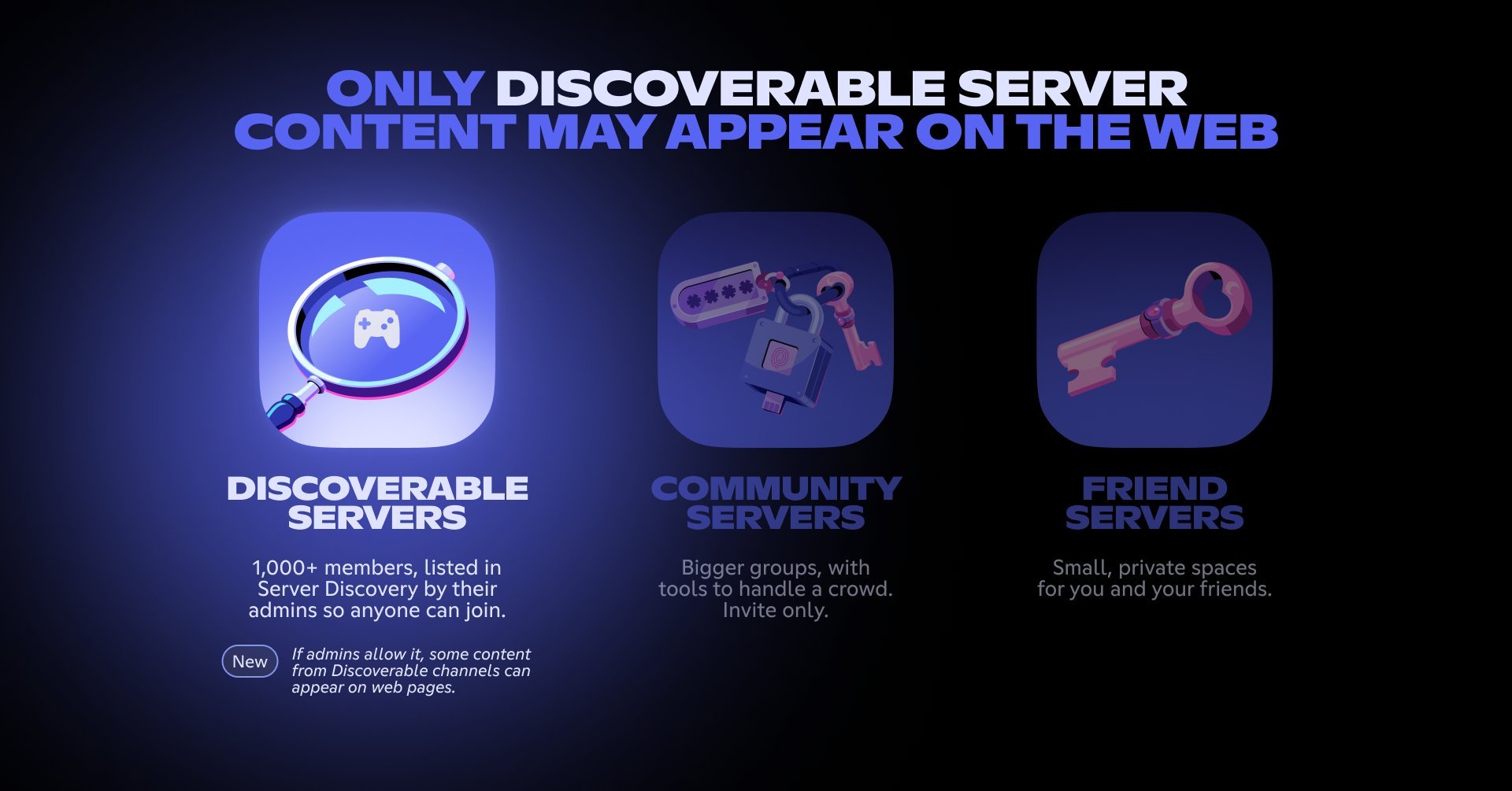
Discord said AI summaries of public channels go live November 16, and posted message text becomes searchable f…
Meta announced Muse on September 8, 2026, an agent that plans tasks, uses a dedicated Muse Secure VM browser…
Qun Wan and Meiqin Xu sued OpenAI, alleging GPT-4o drafted lamotrigine taper schedules taking their daughter B…
In an email titled “Protecting your finances in the Al World,” Bank of America told customers never to share c…

The National Police Agency (警察庁) has issued a warning that AI chatbots can answer that fraudulent scam sites a…

Dell's John Scimone said organizations that design AI agent governance upfront will move quickest, citing a th…