
What happened
The author names GE Vernova his top AI power stock, citing a backlog that grew 37% year over year to $176.3 billion by the end of the second quarter of 2026.
Why it matters
That backlog is equivalent to 4.6 times the $38.1 billion in revenue the company generated in 2025, suggesting its order book has run well ahead of its recent sales, according to the author.
What to watch
The stock trades at about $960 on an enterprise value of $241 billion, below its June record close of $1,174.86 per share, so the case hinges on whether its still-accelerating order growth continues to translate into the revenue and cash flow the author expects.
WHO IT HITSInvestors weighing AI-related stocks beyond chipmakers and cloud providers, as well as anyone tracking the power-equipment suppliers that build out data-center electricity capacity.
Summaries like this, in your inbox every morning.
The author frames GE Vernova as a way to own the electricity side of the AI boom rather than the chipmakers or cloud giants that usually dominate the conversation. The company was the former energy division of General Electric, spun off as a stand-alone company in 2024, and it operates three businesses: Power, Electrification, and Wind. One source of that growth is the supply chain and execution issues that have weighed on the wind business.
Orders are the clearest signal of how the two core segments are doing. Organic order growth accelerated from 7% in 2024 to 34% in 2025, and then to 88% in the first half of 2026. Power orders rose 52% in 2025 and 99% in the first half of 2026, while Electrification went from 21% to 76%. Wind, by contrast, grew 8% in 2025 and fell 10% in the first half of 2026, and the company is downsizing that business to cut costs. The headline growth, the author notes, was entirely driven by Power and Electrification.
Looking ahead, management expects revenue to rise 20%-22% in 2026, an acceleration from 9% growth in 2025 and 5% in 2024. The adjusted EBITDA margin expanded from 5.8% in 2024 to 8.4% in 2025, and is expected to reach 12%-14% in 2026. Analysts expect adjusted EBITDA to grow at a 60% CAGR from 2025 to 2028, though that projection hinges on whether the AI market keeps expanding and data centers keep consuming more power. For investors, the pullback from the June record high may be the more comfortable entry point the author highlights.
Pick your industry and the AI tools you use, and get news related to your work every day.
Free · 30 seconds with Google · unsubscribe anytimeWhat is AIToday? →
Ask AI anything about this article. The AI reads this article, earlier AIToday articles, and Wikipedia, and cites its sources. Q&As are published on this page for other readers too.
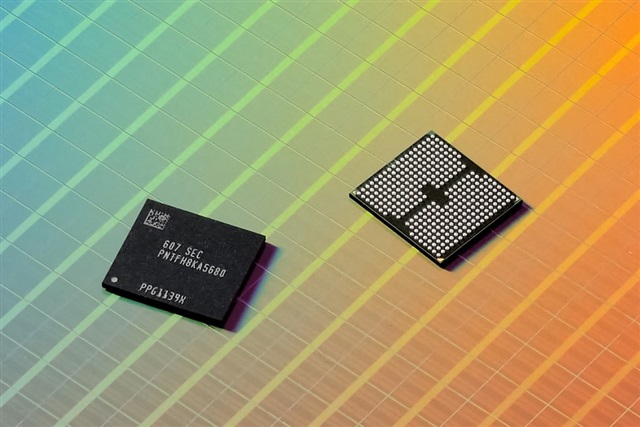
HBM is approaching half the cost of a GPU-HBM CoWoS package, prompting the question of whether memory remains…
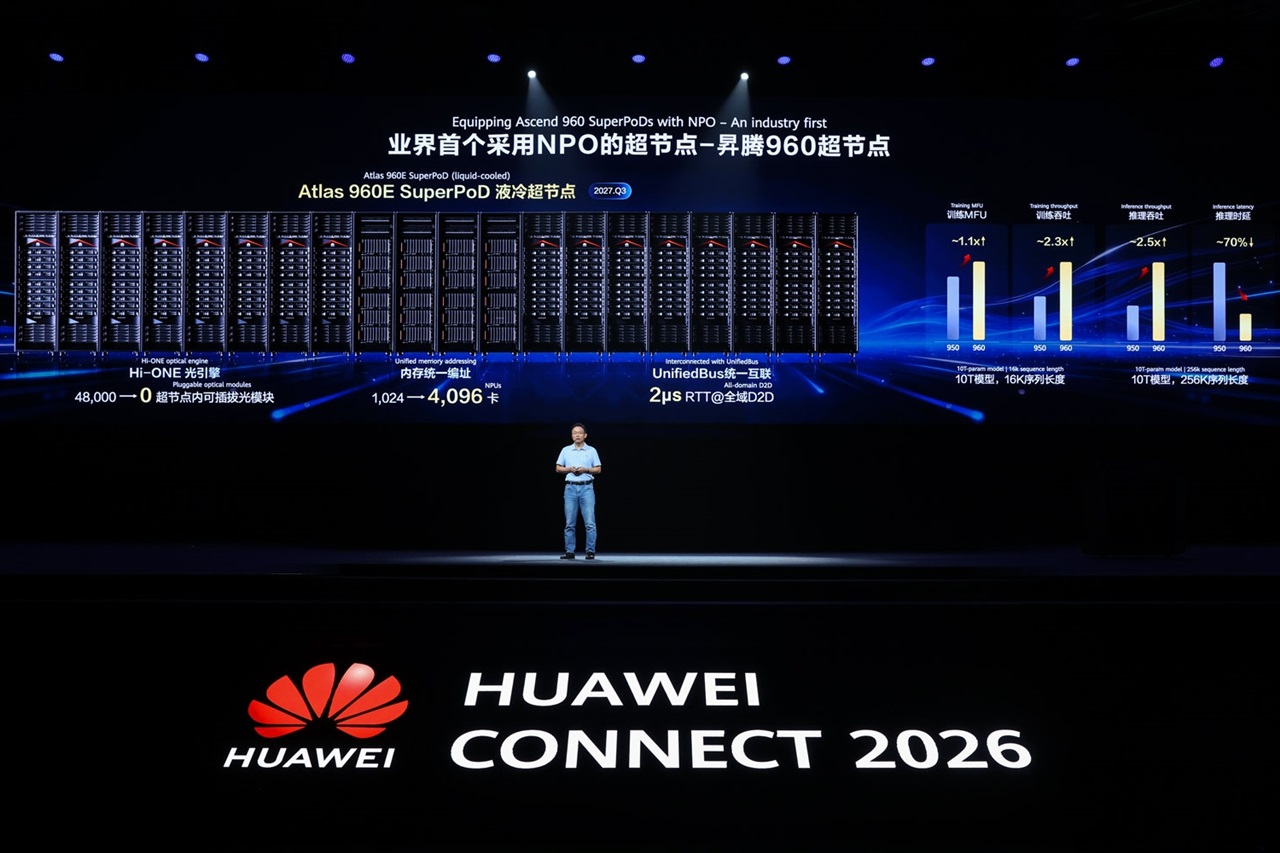
DeepSeek is bringing more of the software it uses to develop its AI models to Huawei Technologies' Ascend 950…
Among respondents at companies with 1,001+ employees, 50.0% said AI is used company-wide, and 46.0% flagged AI…

Oracle invoked "force majeure" to delay payment on its Project Jupiter data center, and its 2056 bonds then tr…

Nvidia released the Open Agent Safety Platform on September 28, days after CEO Jensen Huang called warnings fr…
McDonald’s is increasingly using AI to guide menu prices in the U.S