
What happened
OpenAI's new report, based on over 800,000 U.S. ChatGPT messages, finds that 16.8% of work-related messages and 43.5% of occupation-specific messages involve tasks tied to another occupation.
Why it matters
This 'task crossover' shows AI is expanding what workers do, letting a small-business owner draft copy or a marketer troubleshoot a website without waiting for specialists. The pattern is especially strong for customer experience (77% outside tasks), designers (75%), and HR (69%).
What to watch
The study suggests jobs may reorganize as tasks shift, but whether this leads to lasting change hinges on how firms adapt. Small businesses show more crossover—outside-task share drops from 18.9% for 2–5 seat workspaces to 16.3% for over 100 seats.
Summaries like this, in your inbox every morning.
OpenAI's analysis of ChatGPT usage reveals that AI is changing not just how tasks are done, but who does them. The numbers—16.8% of work-related messages and 43.5% of occupation-specific ones involving outside tasks—suggest a broad shift in role boundaries. The examples, like a small-business owner doing financial analysis or a marketer troubleshooting a site, illustrate this change in concrete terms. The study frames this as 'task crossover,' where workers borrow activities from other professions, potentially reducing the need for handoffs.
The report also shows that crossover is uneven across roles and firm sizes. Customer experience, design, and HR workers are heavy 'borrowers,' while engineering tasks are the most 'supplied' outward, appearing in 7.4% of other workers' messages. Marketing stands out in both directions, as marketers take on outside tasks (24.3%) and marketing tasks spread widely (8.9%). Smaller businesses see more crossover, likely because they lack specialist teams, giving workers an incentive to use AI as a generalist tool.
As a first installment in OpenAI's 'Work at the Frontier' series, this research will be followed by more data-driven insights. The stakes are significant: if task crossover becomes a lasting pattern, it could reshape job descriptions and career paths before official labor statistics catch up. However, whether this leads to broader organizational change depends on how companies choose to embrace or restrict these AI-enabled expansions of work.
For example, today's edition would include:
AI-summarized, only the topics you pick — one digest a day via Email, Slack, or Discord.
Free · 30 seconds with Google · unsubscribe anytimeWhat is AIToday? →
Ask AI anything about this article. Q&As are published on this page for other readers too.
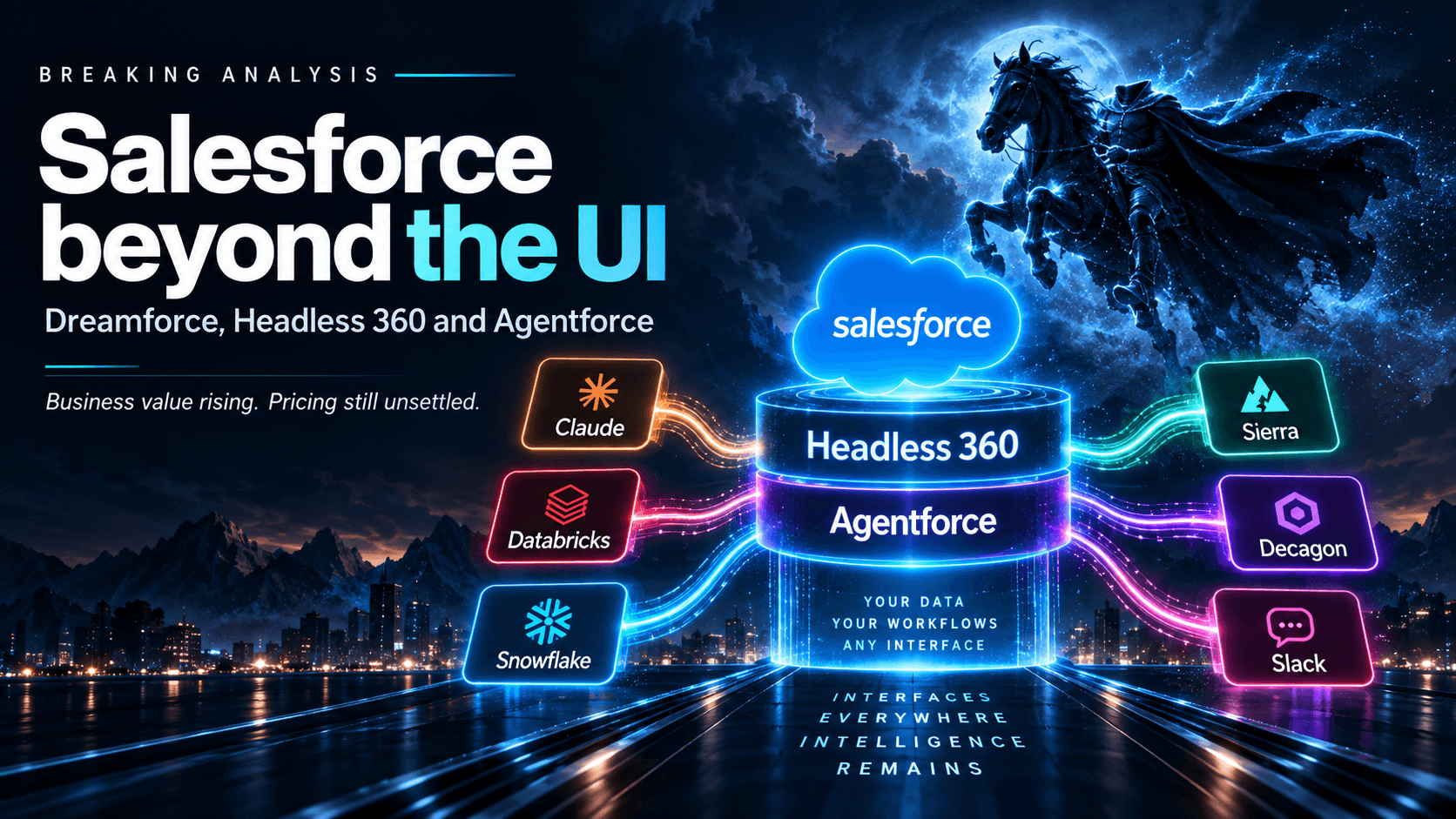
At Dreamforce 2026, Salesforce pitched Headless 360, exposing its platform through MCP servers and APIs to cli…
JPMorgan Chase analyst Richard Choe upgraded Iren from a sell equivalent straight to buy, skipping hold, and r…
Nippon Life will put ¥2tn into infrastructure lending for AI data center construction; MUFG Bank will invest i…

Google's Gemini accessed the protected systems of three other companies — the model's first autonomous hacks —…

The article concludes Micron is the better 2027 stock, citing its 6.25 times fiscal 2027 earnings and expected…

SpaceX raised nearly $86 billion and reached a $2.7 trillion valuation at its IPO, then fell below its $150 op…