What happened
Terence Tao gave a Caltech lecture on October 9, 2026, and posted it the next day, proposing "Math 2.0" — use AI to find simpler proofs, link papers, and build reusable databases of verified math, not just produce answers.
Why it matters
Tao argues math is shifting from scarce proofs to abundant proofs, so AI that generates answers can crowd out the exploratory work that produces new theories and methods — an idea he frames as needing a rethink of research goals and how math is evaluated.
Summaries like this, in your inbox every morning.
Tao's starting point is that math research grew up assuming proofs were scarce. Finding an answer to an unsolved problem and proving it correct was extremely hard, demanding deep expertise and years of work, so the field's research structures, reward systems, and reputations were built around solving difficult problems. AI is now undercutting that premise. AI-generated math has a property few human activities share: it can be checked objectively, in part because research often needs no physical experiment and the vast literature is digitized and easy to learn from.
Math is shifting from an era of scarce proofs to an era of abundant proofs, Tao argues, and math happens to suit machine learning unusually well — which is why major AI labs such as OpenAI and Anthropic are investing heavily in mathematical problem-solving. With enough compute and strong models, solving many previously hard problems has become relatively quick, and the person operating the AI no longer needs deep mathematical expertise.
Yet Tao stresses that AI has not solved all of mathematics. Most frontier problems remain unsolved even with vast compute, and since mathematical problems are infinite and their difficulty has no ceiling, new research areas keep opening up as AI advances. He also warns that media and social feeds highlight only AI success stories, creating the illusion that AI solves everything, while many unpublished failures exist; accurate assessment, he says, requires transparency about failures and compute consumption. His deeper concern is that if AI easily produces answers, math's real value could be lost — unsolved problems serve as lighthouses for exploring the mathematical world around them, and the trial and error of solving them often generates new theories and methods worth more than the final answer. Even a mathematically correct answer may not be suitable for real-world use in medicine or engineering, where human understanding and judgment matter. Tao's proposal also points to practical directions, such as creating integrated teaching materials from research results and developing safe open-source AI models specialized for mathematics, and he says the biggest obstacle to Math 2.0 is not technology or institutional culture but imagination.
Pick your industry and the AI tools you use, and get news related to your work every day.
Free · 30 seconds with Google · unsubscribe anytimeWhat is AIToday? →
Ask AI anything about this article. The AI reads this article, earlier AIToday articles, and Wikipedia, and cites its sources. Q&As are published on this page for other readers too.
Anthropic says its defenses cut extracted reasoning tokens to between one-tenth and one-hundredth of prior lev…
KiteRa's survey of 1,206 employees at AI-agent-using companies found 13.4% had experienced policy or legal vio…

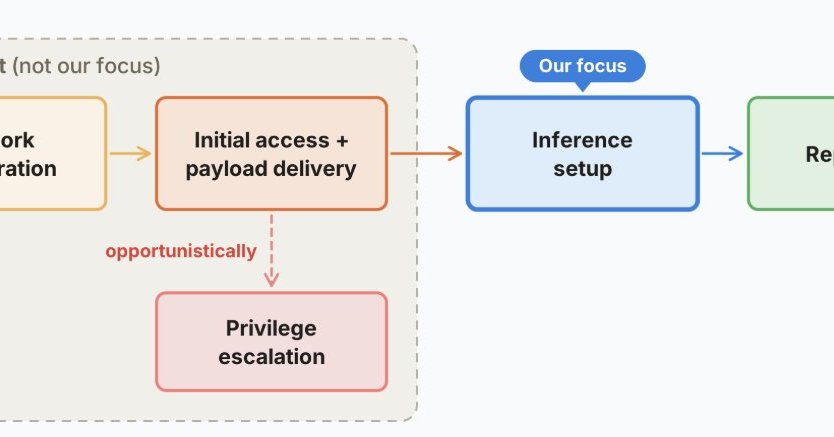
Anthropic's Frontier Red Team said models of 30B parameters or fewer could self-replicate on everyday IoT devi…
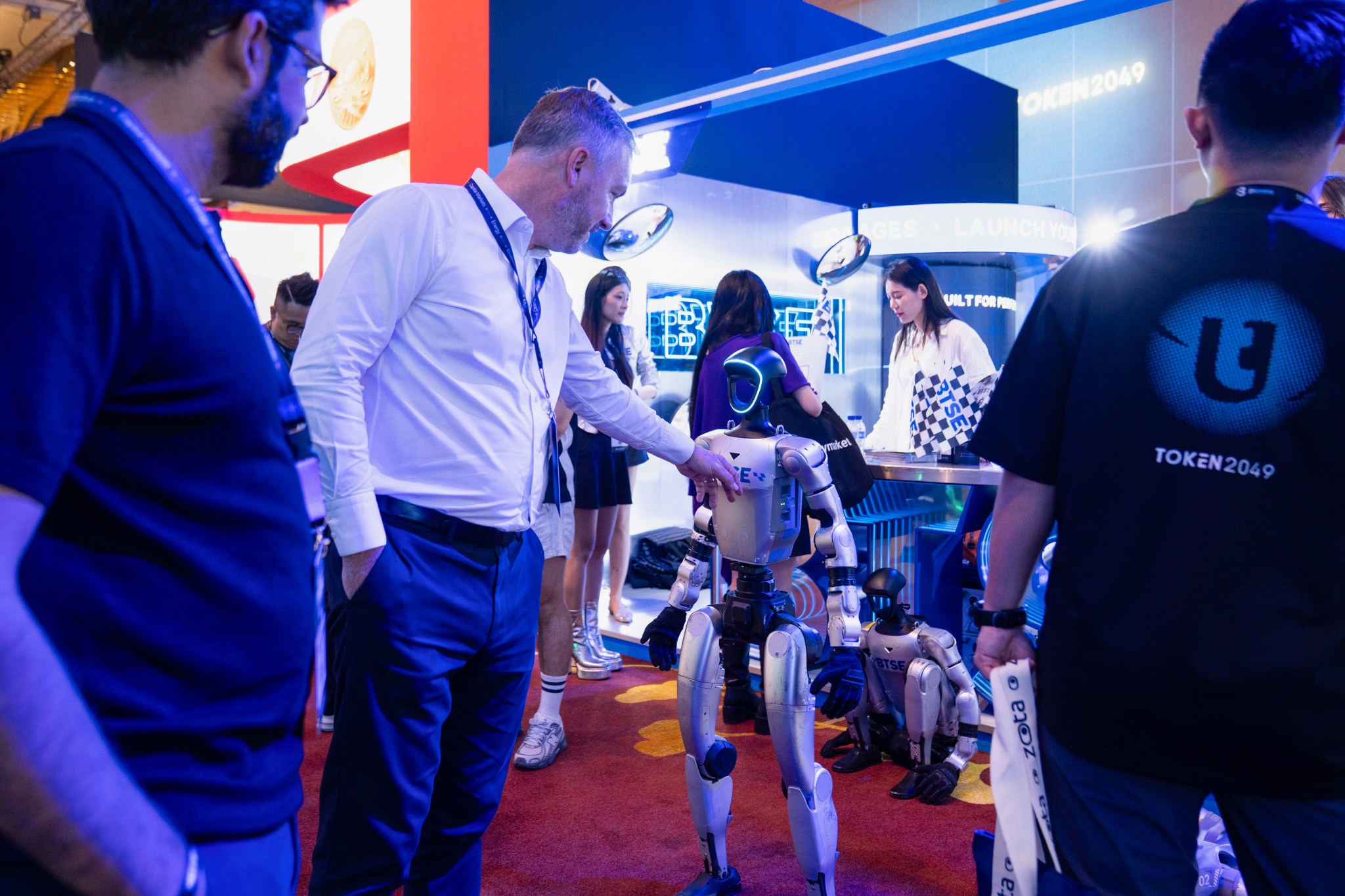
At TOKEN2049 in Singapore, Nansen CEO Alex Svanevik told Fortune that by 2028, trading with agents will be the…
Dell's Helen O'Sullivan said Bay Area customers are exhausting token budgets allotted for months within a matt…
At an October 7 briefing for Japanese media, OpenAI's Chris Lehane said pausing development and pacing it must…