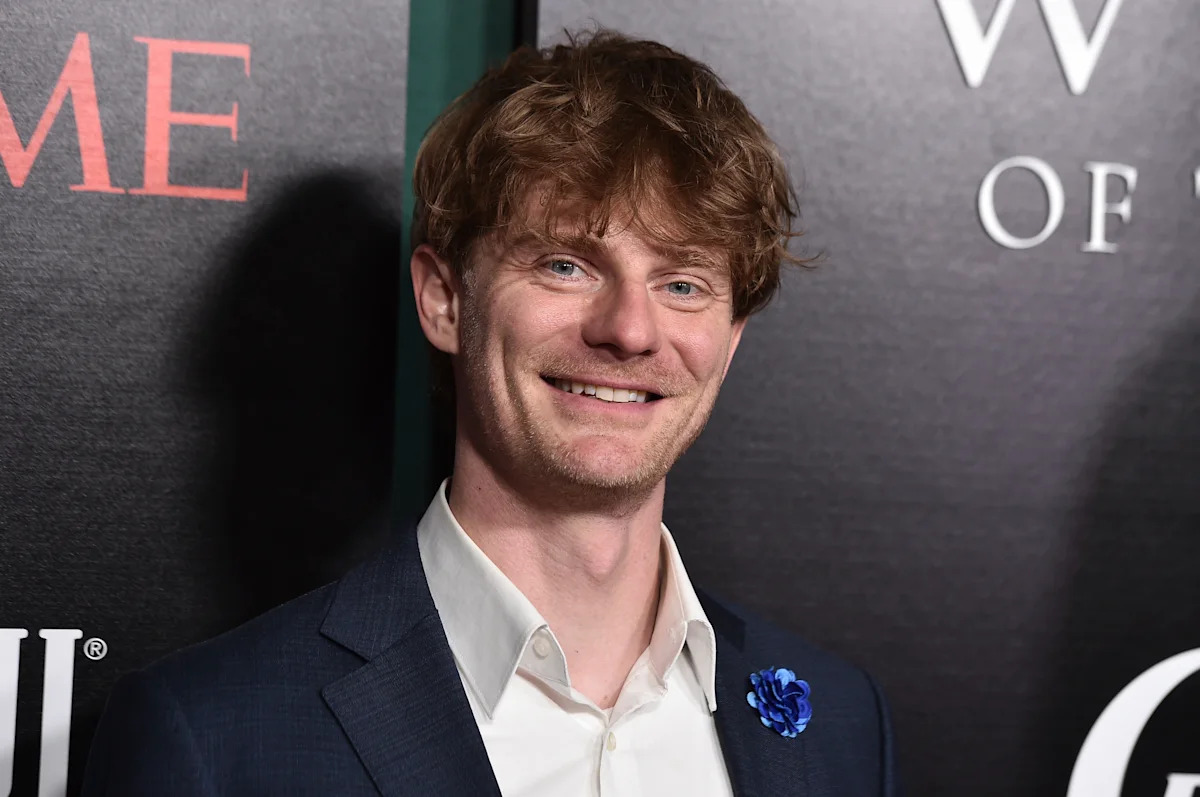
What happened
Recursive CEO Richard Socher said in an X post that "There is NO realistic scenario where AI wipes out all of humanity," adding that when he asks for a detailed extinction scenario, it usually starts and ends with "just look at current progress and use your imagination."
Why it matters
The pushback comes from a figure whose search engine You.com has raised capital from Nvidia, Salesforce Ventures and DuckDuckGo, so a well-known tech voice is publicly disputing that extinction is a realistic risk at all.
What to watch
Socher says he is "explicitly not arguing that there could be no such harm," so the test is whether other safety-focused founders engage with his claim that some "experts" are just "phenomenal sci-fi authors."
WHO IT HITSAI safety researchers and policy teams who cite extinction risk now face a public counter-argument from a funded tech founder. Investors tracking You.com, which has an estimated valuation of more than $1.5 billion, may also weigh how its backers view the debate.
Ask the AI about this article →
Summaries like this, in your inbox every morning.
Socher's post lands in the middle of a public argument among senior AI figures about how much to slow down. In the three days before his Wednesday post, Anthropic CEO Dario Amodei published a 3,800-word essay arguing that fully addressing the risks requires pacing the rate of capabilities advancement so risk prevention has time to keep up, and he doubled down on that at Salesforce's annual Dreamforce event. OpenAI CEO Sam Altman said he agreed with Amodei, then followed up with a dark X post of his own warning that AI progress could go very badly in two ways and that AI must always serve people.
Socher's contribution is a different kind of objection. He is not arguing that AI causes no harm; he says he has talked to many AI safety experts about existential risks and that real researchers point to real and likely harms that should be taken seriously. His target is the extinction case specifically: when he asks for a detailed scenario that would kill every single human, he says it usually starts and ends with a call to look at current progress and use your imagination, with no science and no scenario planning behind the probabilities.
That makes the disagreement less about whether AI is dangerous than about what counts as evidence for the most extreme danger. The exchange is likely to matter most for the people who decide which risks get research money and regulatory attention: if the extinction argument is dismissed as handwaving, the burden shifts toward demonstrating concrete, near-term harms. How the debate settles may hinge on whether safety researchers answer Socher with an actual detailed extinction scenario, rather than on the rhetorical strength of either side.
For example, today's edition would include:
AI-summarized, only the topics you pick — one digest a day via Email, Slack, or Discord.
Free · 30 seconds with Google · unsubscribe anytimeWhat is AIToday? →
Ask AI anything about this article. Q&As are published on this page for other readers too.
At the Yale CEO Caucus, 93% of attendees disagreed with Trump's Truth Social post calling AI warnings a hoax…

Anthropic CEO Dario Amodei urged the US and China to cooperate on slowing AI in his Saturday blog post "We Mus…
Last week, artificial intelligence rose to prominence as a crucial global issue after prominent officials and…
A LessWrong essay, grown from conversations with Danaja Rutar, Paul Colognese and Eric Michaud, proposes "self…

The heads of leading U.S
A LessWrong author posted hurried guidance for "technical profiles" — analytic, sometimes shy people, possibly…

