What happened
Using IP-Adapter Plus Face at strengths up to 1.0 produced no likeness, but switching to IP-Adapter FaceID made the outline resemble the subject; four photos made results worse until a large, sharp image was manually chosen for appearance reading.
Why it matters
For anyone running Stable Diffusion on a 6GB GPU, the author's takeaway is that face swapping like FaceFusion only aligns eyes and nose—the outline is set during image generation, so photo selection matters more than part strength.
Summaries like this, every morning.
The author is not an engineer and ran these experiments with Claude writing and executing the programs, while the author alone judged the resulting images by eye. That division of labor matters: the AI could report timings and memory figures, but the insight that facial outline mattered more than eyes or nose came from the author looking at the pictures. The tests compared one variable at a time with the same seed, because different random seeds produce hit-or-miss results even under identical settings.
The face-swap results connect to an earlier video experiment where swapping alone looked nothing like the subject—likely because the outline and hair stayed with the original person. That matches the finding here that FaceFusion adjusts eyes, nose, and mouth but leaves the outline from the generated image. The 6GB memory constraint also shaped the workflow: fp32 was required, the 2.4GB appearance-reading network had to be discarded after use to avoid running out of memory, and fusing the LoRA into the base model cut generation time roughly in half.
The author notes limits: only one person's face was tested, judgments came from the subject alone, and no numerical similarity metric was used. How to achieve both likeness and expression at the same time remains unresolved, and adding a LoRA to FaceID once reduced likeness, though the prompt also changed in that trial so the cause is unclear.
Pick your industry and the AI tools you use, and get news related to your work every day.
Free · 30 seconds with Google · unsubscribe anytimeWhat is AIToday? →
Ask AI anything about this article. The AI reads this article, earlier AIToday articles, and Wikipedia, and cites its sources. Q&As are published on this page for other readers too.
At a WIRED Futures Conference 2026 live podcast on latent space, HATRA's Keisuke Nagami said AI hallucinations…
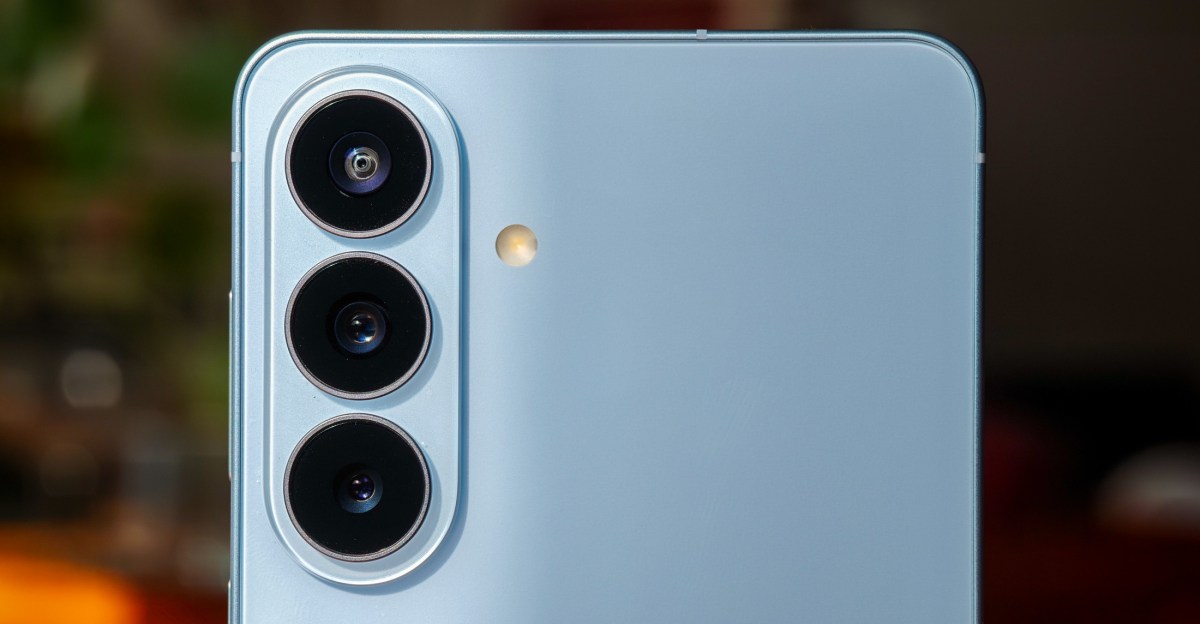
Code in the One UI 9.5 beta, found by Android Authority, points to a Recompose feature in Samsung's Photo Edit…
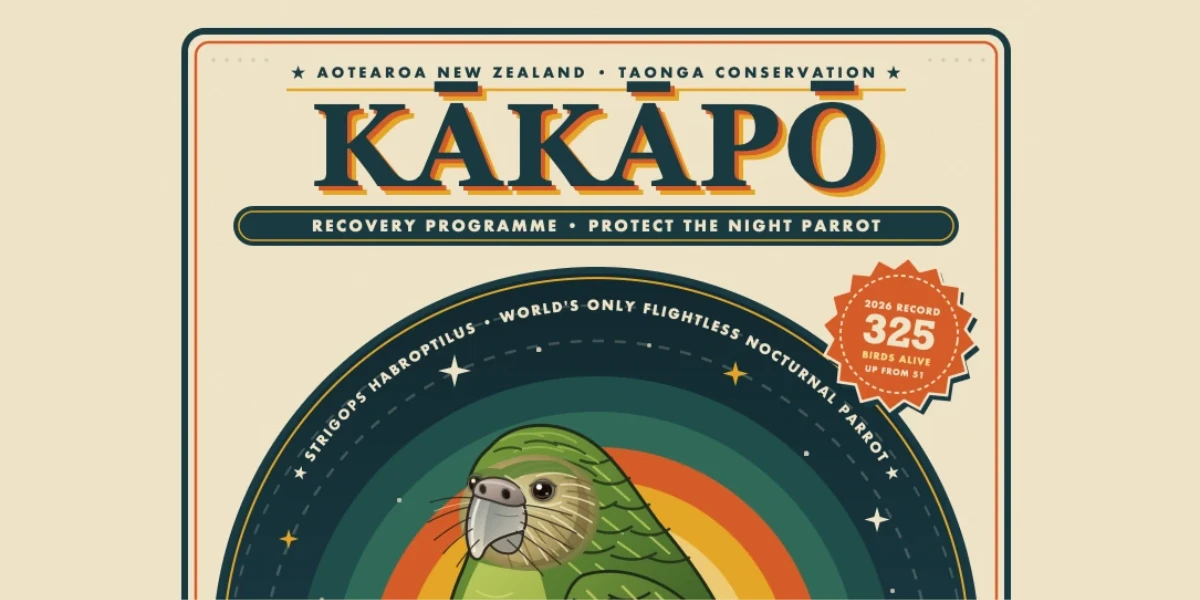
Simon Willison tested Gemini 4 Neon in AI Studio with an SVG poster prompt for the Kakapo recovery project and…
Studio Prompt Lead David Matamoros published a guide on using Nano Banana 3.0's multi-reference 4K editing pip…

EvoForge detailed a four-stage pipeline — scale normalization and LOD chains, KTX2 texture compression, voxel-…
Ant's inclusionAI released Ming-Image-0.2-Design on Nov 26 under the MIT license, a 6B model it says improves…