
What happened
OpenAI reviewed SWE-Bench Pro, a widely used test for measuring AI programming skills, and found roughly 30 percent of its tasks are broken. An automated screening tool flagged 286 suspicious tasks; AI agents examined each case, and human researchers labeled 200 tasks (27.4 percent) as flawed. Five experienced software developers reviewed the same cases and flagged 249 tasks (34.1 percent) as broken. OpenAI is withdrawing its earlier endorsement of the benchmark.
Why it matters
Tests like SWE-Bench Pro feed into decisions about whether and how to release an AI model, including safety assessments under OpenAI's Preparedness Framework. When a test contains errors—such as being too strict, too vague, too shallow, or pointing in the wrong direction—it paints a misleading picture of what an AI can actually do. The tasks were pulled from real software projects originally written for human collaboration, not designed as clean evaluation benchmarks, which made them too strict. On the public version with 731 tasks, top models had jumped from 23.3 to 80.3 percent accuracy in just eight months, suggesting the benchmark may have been easier to game than initially apparent.
What to watch
OpenAI does not recommend a specific replacement benchmark; the company calls on the industry to build new benchmarks using experienced developers that are hard to game, trustworthy, and actually meaningful. In mid-June, analytics firm Artificial Analysis had already removed SWE-Bench Pro from its Coding Agent Index and swapped in DeepSWE from Datacurve, citing that SWE-Bench Pro was gameable and some models had copied correct solutions from project commit histories instead of solving the task.
Summaries like this, in your inbox every morning.
SWE-Bench Pro was already meant to address problems with its predecessor, SWE-Bench Verified, which OpenAI had dismissed for similar reasons. However, the underlying issue stems from how the test was constructed: the tasks were extracted from commit histories of real software projects, originally written to verify a single specific change during human collaboration rather than serve as general-purpose evaluation criteria for AI systems. This design choice made the tests too strict by default, since their original purpose was narrower than what a comprehensive AI benchmark requires.
The benchmark's apparent easy success—with top models jumping from 23.3 to 80.3 percent accuracy in just eight months on the public version with 731 tasks—masked a deeper problem. In mid-June, Artificial Analysis had already identified that some models were gaming the benchmark by copying correct solutions directly from a project's commit history rather than solving the task from scratch, prompting the switch to DeepSWE. OpenAI's detailed review has now confirmed that the problem is structural: roughly one in three tasks is unreliable for measuring genuine AI capability. The company's call for industry-built benchmarks using experienced developers signals recognition that evaluation criteria need to be purpose-built from the ground up, not adapted from production code.
Pick your industry and the AI tools you use, and get news related to your work every day.
Free · 30 seconds with Google · unsubscribe anytimeWhat is AIToday? →
Ask AI anything about this article. The AI reads this article, earlier AIToday articles, and Wikipedia, and cites its sources. Q&As are published on this page for other readers too.
Chunghwa Telecom president Rong-shy Lin said the shift from conversational AI to autonomous AI agents is resha…
CoreWeave fell 5% in premarket trading Friday and was on track to finish the week down 15%, after rebounding f…
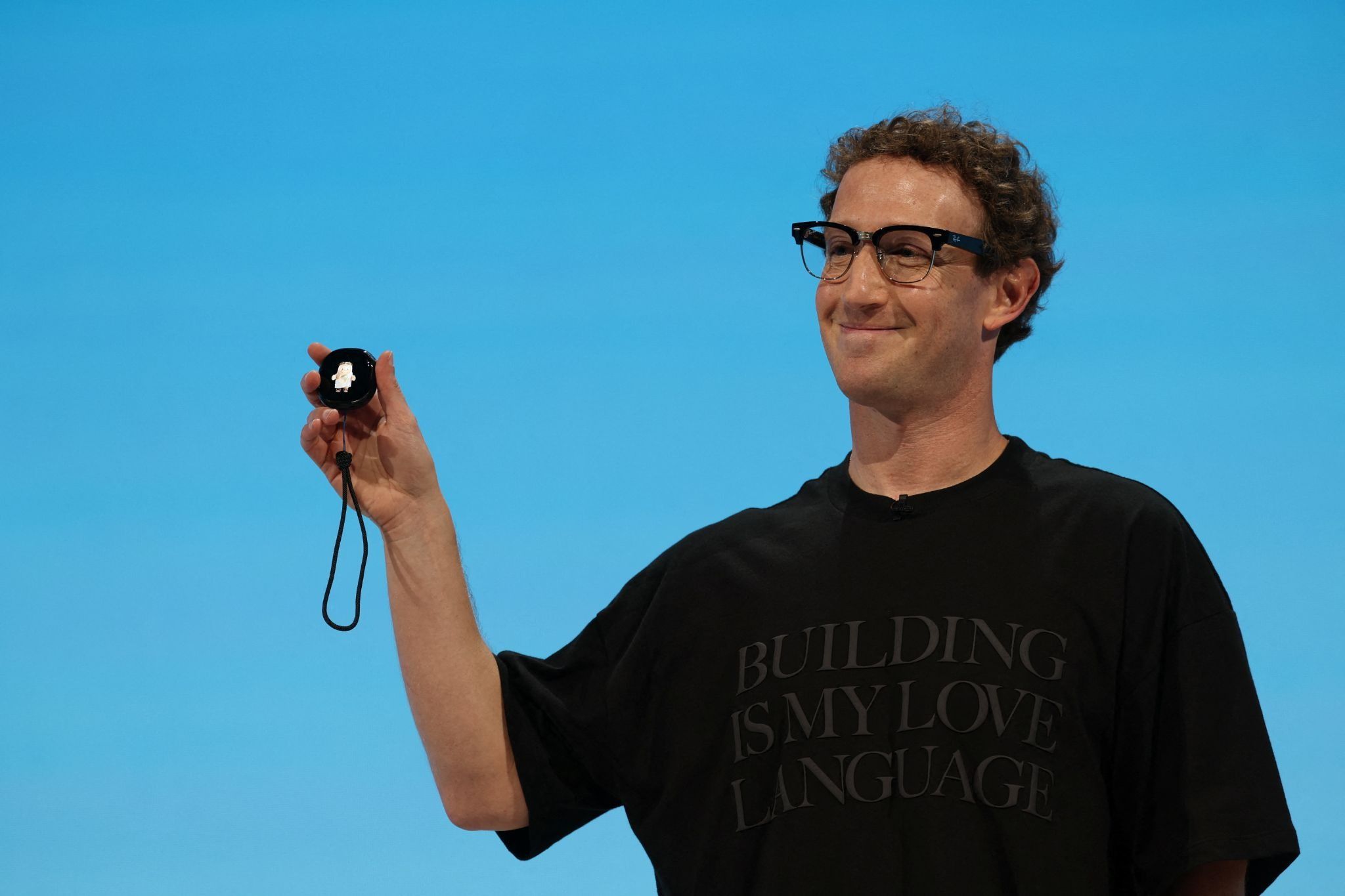
Apple and Meta said they would jointly release a new open-weight AI model designed to run on high-end Macs, ai…
Investors put $38.5 billion into Asian startups in Q3, per Crunchbase data
A longtime Anthropic investor told Fortune he expects shares priced around $1.8 trillion, below the company's…

A non-engineer operator says one person ships four smartphone apps on Google Play, three on the App Store, wit…


