What happened
Google launched Gemini 3.8 Flash TTS and Flash-Lite TTS on its cloud platform, with Flash TTS supporting 130 languages and Flash-Lite TTS 101.
Why it matters
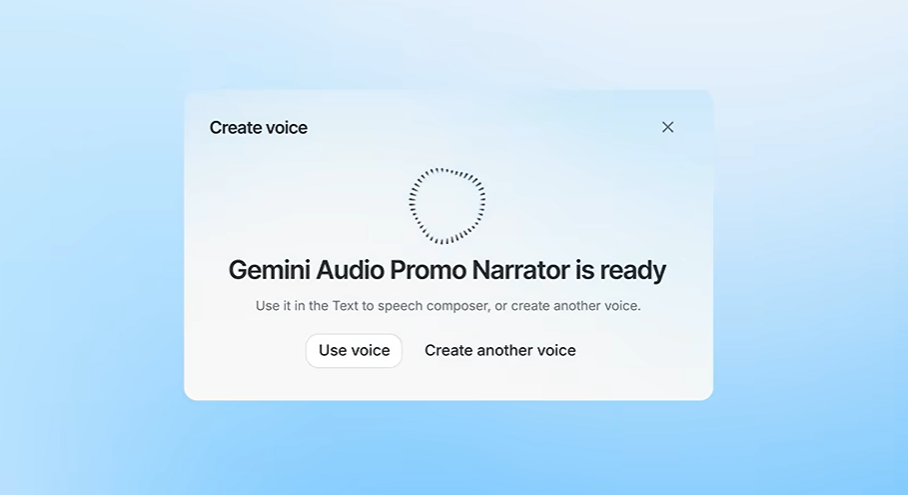
Developers can build audiobooks and other voice products with over 2,000 prepackaged voices and custom voice creation from a 30-second sample, likely lowering barriers to entry.
What to watch
Flash TTS costs more for better audio quality, so the test is whether buyers accept that trade-off. Watch whether Google adds a third customization option for modifying prepackaged voices.
WHO IT HITSApp developers and content creators building voice features, such as audiobook or video narration, get two new options with different language and price points. Broad deployment may hinge on how buyers weigh Flash TTS's higher price against its better quality.
Summaries like this, in your inbox every morning.
Google's new text-to-speech models arrive as part of a broader lineup of audio processing tools the company has already released, including algorithms optimized for voice agents, transcription and translation. That history suggests the company is building out a suite rather than a single product, and the two new models share a highly similar application programming interface so developers can use them side-by-side.
A notable feature is customization. Beyond a library of more than 2,000 prepackaged voices, developers can create custom voices through natural language prompts or a 30-second audio sample, with Google requiring consent from the speaker before generating a replica. Google also plans a third option to modify prepackaged voices, extending how much control users have over an AI speaker's timbre, accent and pacing.
The models' strong showing on Hume AI's benchmark may help Google attract developers weighing voice quality against cost, though Flash TTS's higher price and narrower language coverage than Flash-Lite's 101 may influence which model enterprises pick for specific use cases such as audiobooks.
For example, today's edition would include:
AI-summarized, only the topics you pick: one digest a day via Email, LINE, or Slack.
Free · 30 seconds with Google · unsubscribe anytimeWhat is AIToday? →
Ask AI anything about this article. The AI reads this article, earlier AIToday articles, and Wikipedia, and cites its sources. Q&As are published on this page for other readers too.
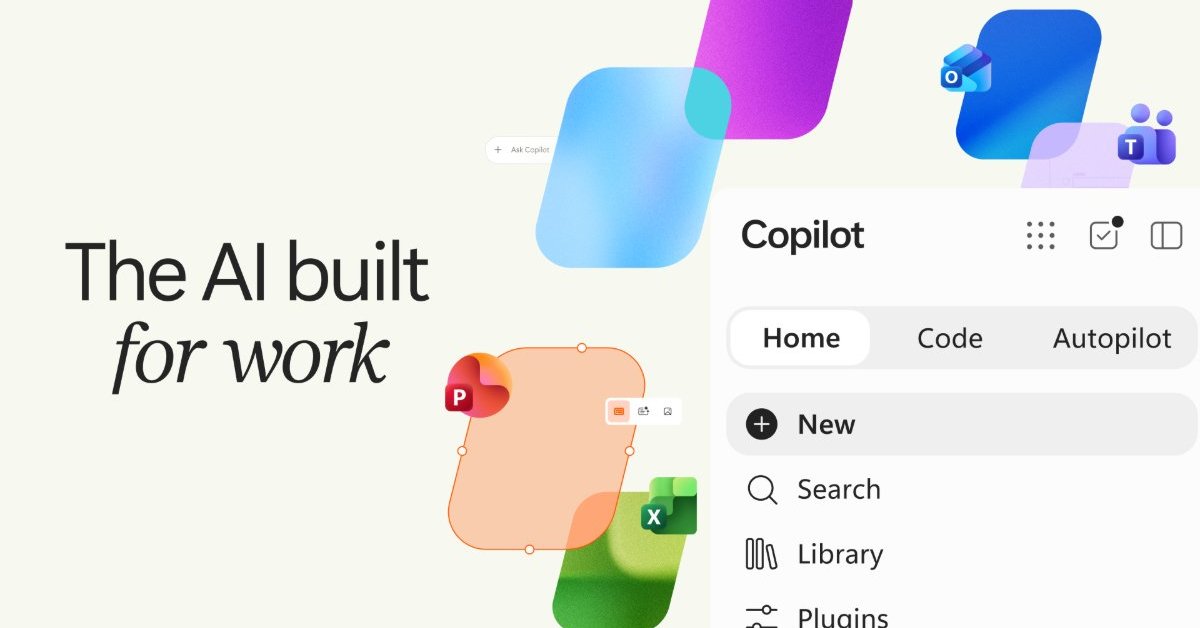
Microsoft said the rebuilt Microsoft Copilot app is built on three tabs — Home, Code and Autopilot — with "Off…
Google DeepMind chief Koray Kavukcuoglu said Gemini 4 has entered post-training and Google intends to ship an…

CrowdStrike Holdings (NasdaqGS:CRWD) became a founding member of the Blueprint Alliance, joined by AWS, Google…
At Dreamforce 2026, Salesforce presented an agentic health enterprise, citing UCLA Health's 75,000+ patient in…
Microsoft launched an updated Copilot app that can code and handle productivity tasks, replacing separate 365…

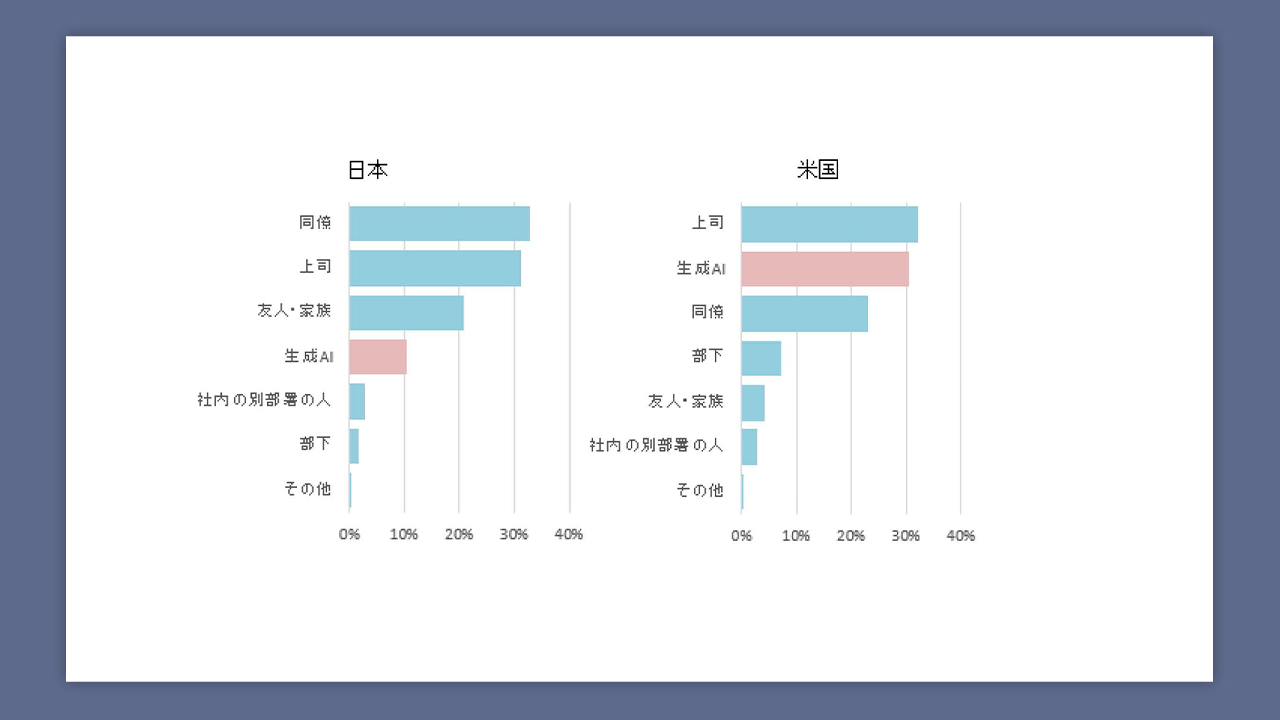
AdverTimes (AdverTimes by Sendenkaigi) compared how people in Japan and the U.S