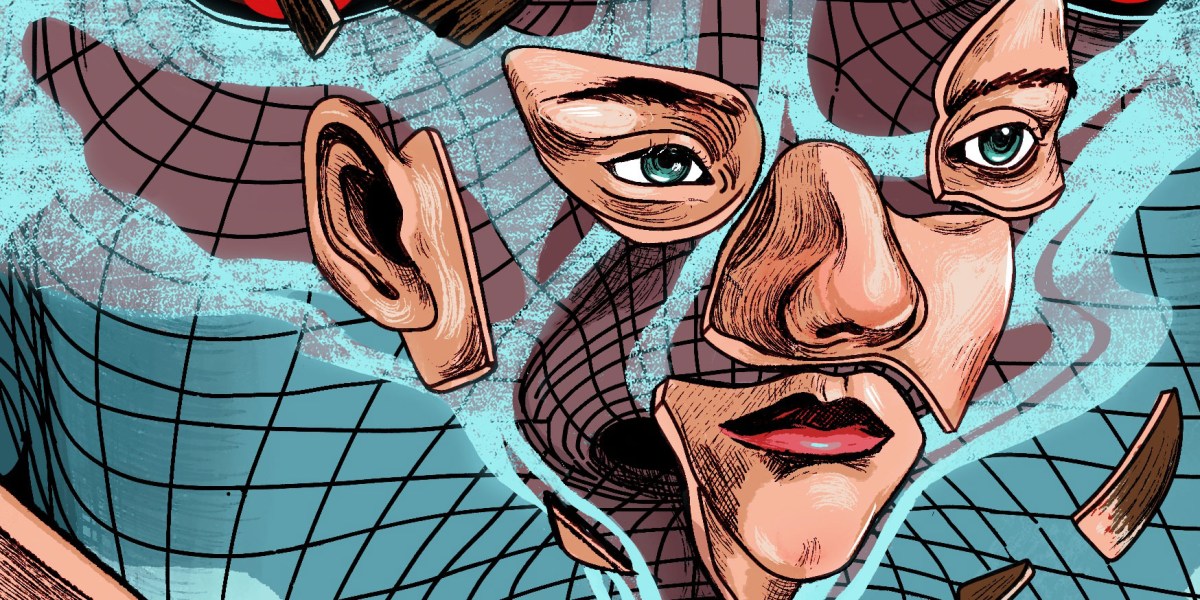
What happened
SimpleClosure added data sales in April via its Asset Hub platform, which sells founders' code and workspace data; it has handled over 150 deals and expects to return over $10 million to startups by the end of 2026.
Why it matters
Foundation AI labs, simulated-workspace vendors and mature tech firms are buying this material as public and synthetic datasets run short, so wind-down brokers may become a routine source of training data.
WHO IT HITSFounders winding down startups can now recover cash from code and workspace archives that once looked worthless, while the data scientists who scrub those archives and the attorneys advising AI startups face fresh privacy and consent questions.
Summaries like this, in your inbox every morning.
The market exists because AI training labs hit the limits of public and synthetic datasets last year. Real archives avoid common errors in synthetic worlds, such as references to dates that don't exist, though the extent of performance gains remains unclear and no company has yet released tests comparing real-world data training with the alternatives. Pricing reflects that uncertainty: buyers quote wildly different numbers because valuations rest on "research theses" estimating how many useful tasks come from, say, 100,000 lines of code.
Legally, the practice could get iffy. Spirit Airlines' flight attendants' union objected to that sale on privacy grounds, and attorney Greg Ewing has called such data "legally radioactive," pointing to private details like doctor appointments and school pickup arrangements that lurk in emails and calendars. Suppliers employ data scientists to scrub personally identifiable information and exclude HR records, and buyers say they scrub too, but Ewing describes a "Wild West of AI training" only starting to give way to proper licensing agreements and vetted use.
There is also the question of who profits. Proceeds typically flow to senior creditors and investors, not employees, which law professor Ifeoma Ajunwa calls a form of "captured capital." She argues employers should have express consent before selling workers' data, while adding that no federal law bans such sales. Founders, for their part, have little to no visibility into who is buying the data or what they plan to do with it, and little assurance they're getting a fair offer. Data prices will likely stabilize in the coming year, though, unless an AI bubble pops first.
Pick your industry and the AI tools you use, and get news related to your work every day.
Free · 30 seconds with Google · unsubscribe anytimeWhat is AIToday? →
Ask AI anything about this article. The AI reads this article, earlier AIToday articles, and Wikipedia, and cites its sources. Q&As are published on this page for other readers too.
ASE reported September revenue of NT$88.13 billion (US$2.7 billion), up 7.15% month-over-month and 45.52% year…
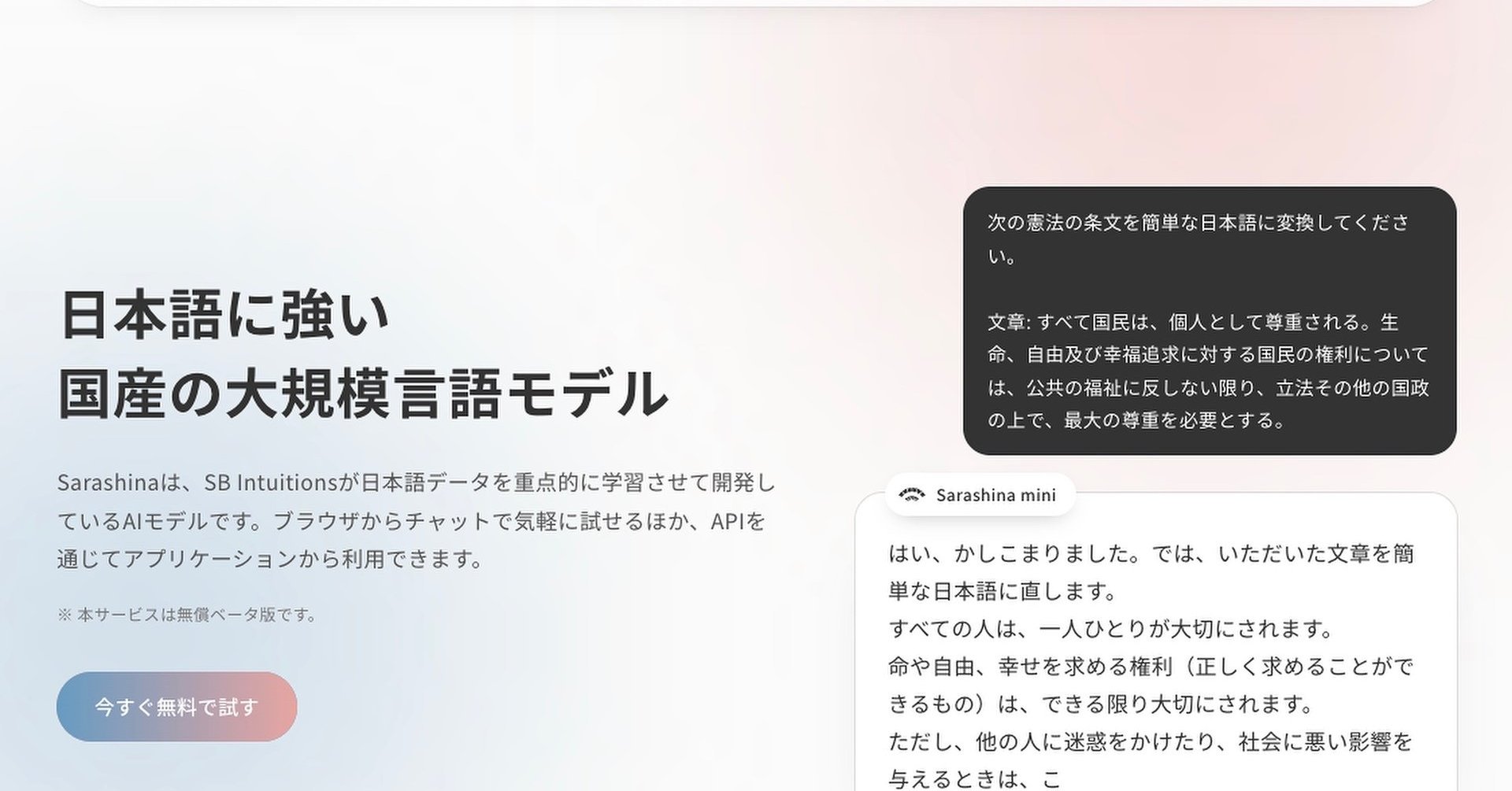
On October 13, SB Intuitions opened a free beta of its Sarashina service
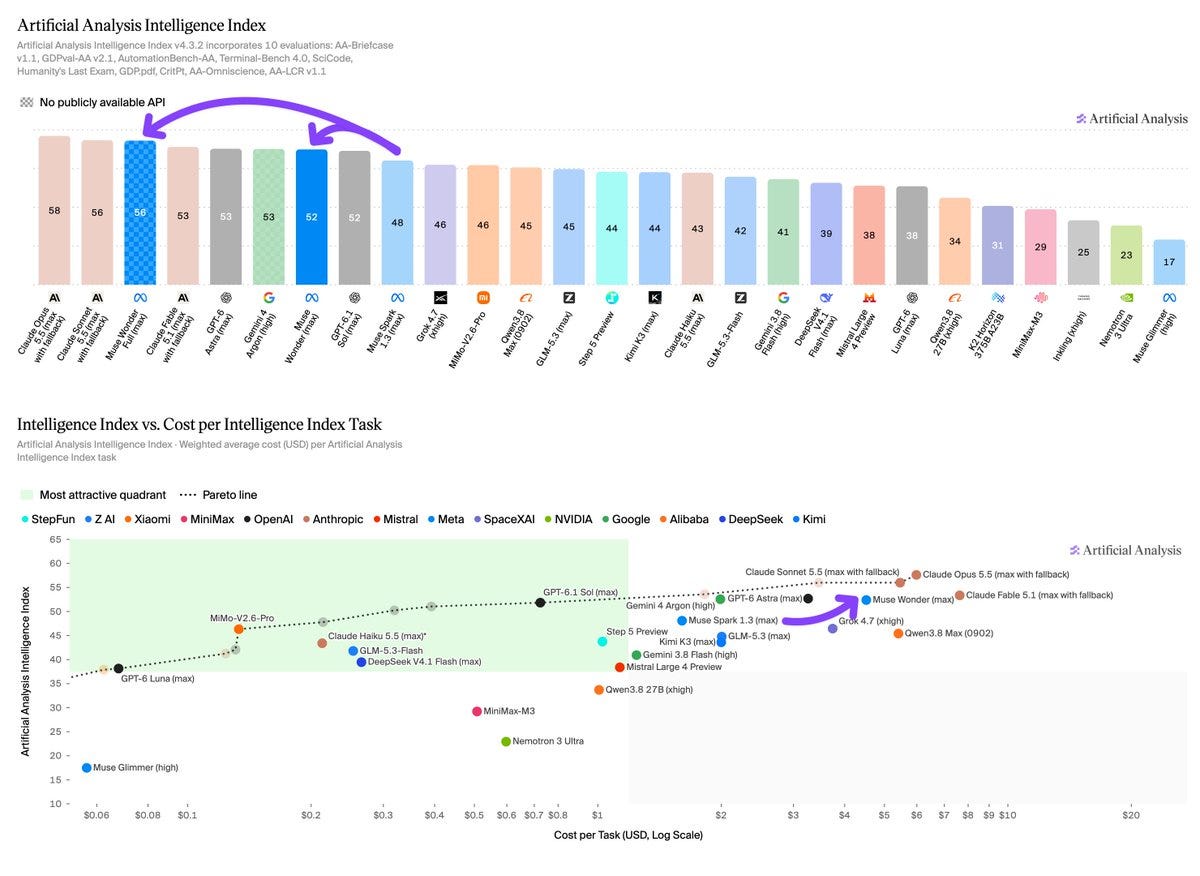
Meta launched two new models, Muse Wonder and Muse Wonder Full, which Zuckerberg said match the latest from Op…

The Trump administration's Super Intelligence Task Force ordered AI companies to report and immediately remedi…

Meta Superintelligence Labs shipped Muse Wonder and Muse Wonder Full, scoring 52 and 56 on Artificial Analysis…
A Japanese explainer published for business readers describes ローカル推論 — running an AI model on a local PC or sm…