What happened
A Japanese explainer published for business readers describes ローカル推論 — running an AI model on a local PC or smartphone CPU, GPU or NPU, so data never leaves the device.
Why it matters
It removes the need to send customer data or unreleased source code to the cloud, avoids usage-based API charges, and cuts communication lag — though device power limits which models can run.
Summaries like this, in your inbox every morning.
Local inference is presented not as an alternative to cloud AI but as a question of where the calculation happens. A familiar example draws the distinction: when a smartphone camera recognizes a dog or cat, cloud inference would send the photo to a server for analysis, while local inference completes that analysis inside the phone itself.
The appeal is framed around three practical gains. First, information can be processed without leaving the device, which matters for customer personal data or unreleased source code. Second, running your own model avoids usage-based API billing, though the hardware purchase and running costs remain. Third, cutting out the network round-trip helps latency-sensitive uses like speech and image recognition or robot control.
What has changed is that local inference has become easier on ordinary machines. It points to the spread of open-weight models, the arrival of small but capable AI models, and the growing number of PCs with NPUs. The author's own setup — a laptop with 32GB of memory and an Intel Core Ultra 7, as of October 2026 — is offered as evidence that local LLMs are usable in practice, provided the task is narrowed, such as checking and correcting minor draft text. Handling sensitive material locally still requires securing the device itself.
Pick your industry and the AI tools you use, and get news related to your work every day.
Free · 30 seconds with Google · unsubscribe anytimeWhat is AIToday? →
Ask AI anything about this article. The AI reads this article, earlier AIToday articles, and Wikipedia, and cites its sources. Q&As are published on this page for other readers too.
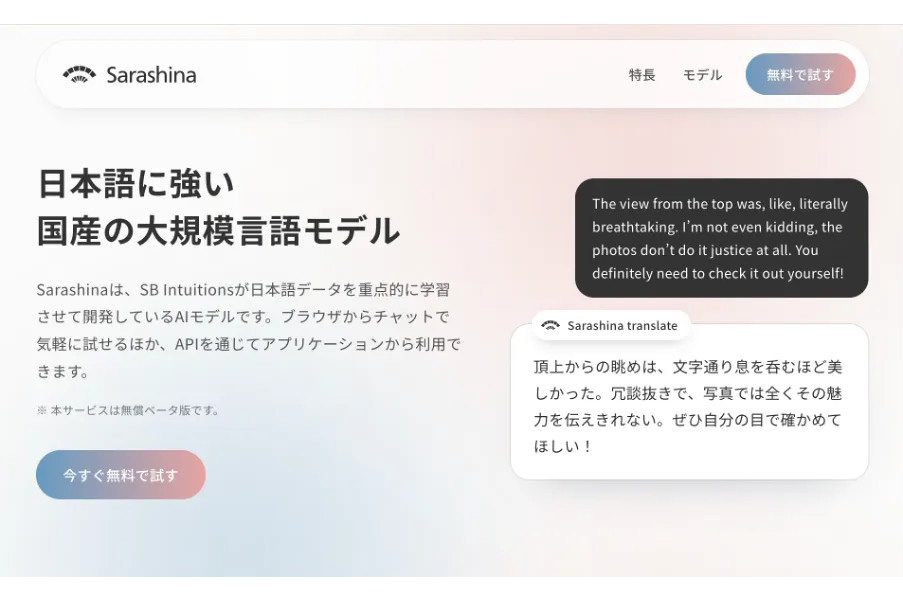
On October 13, SB Intuitions opened a free beta of its Sarashina service
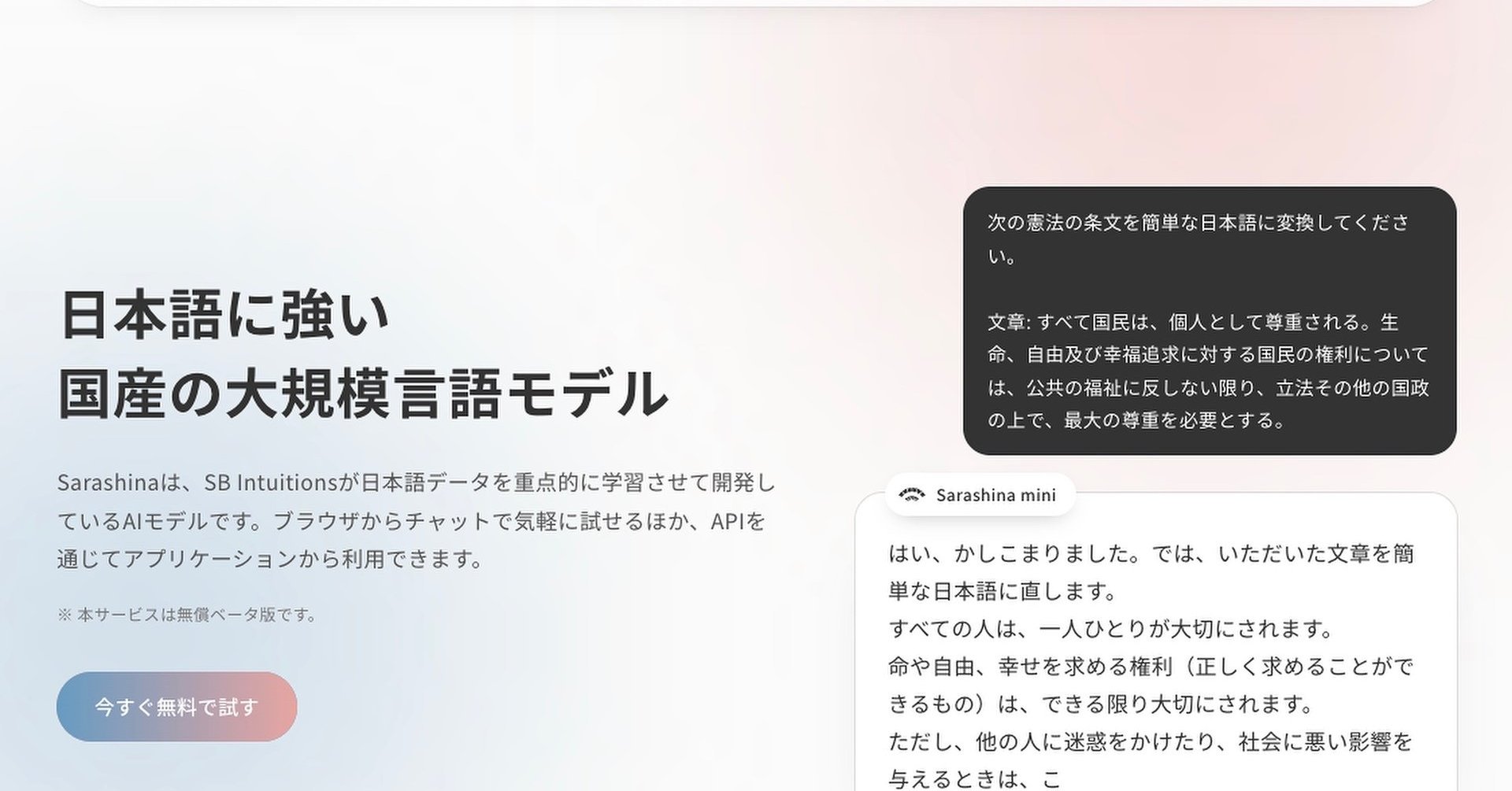
Meta launched two new models, Muse Wonder and Muse Wonder Full, which Zuckerberg said match the latest from Op…

Meta Superintelligence Labs shipped Muse Wonder and Muse Wonder Full, scoring 52 and 56 on Artificial Analysis…
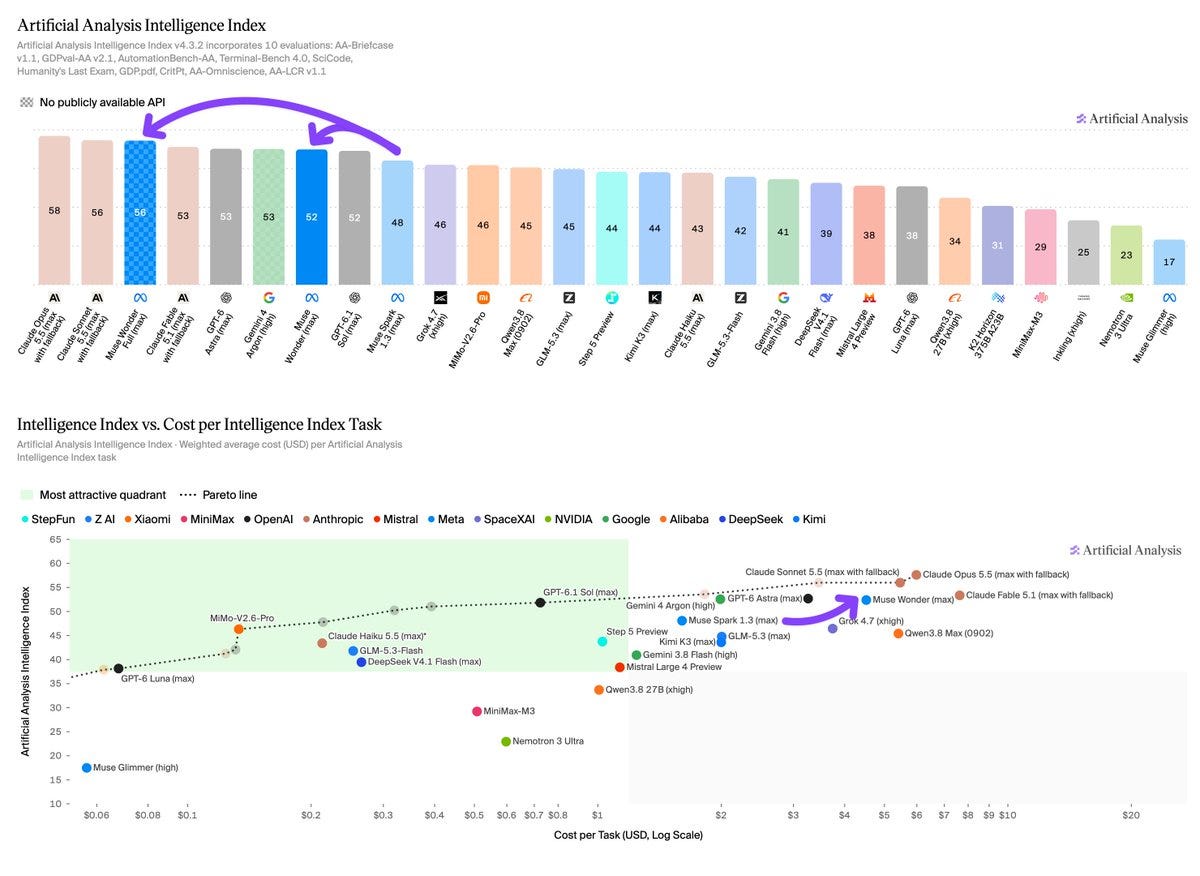
SB Intuitions started free beta service on October 13 for its Sarashinaサービス, opening API access to six Sarashi…
NTT West and Ibaraki City will begin a pilot of a domestic private LLM for school administration at municipal…
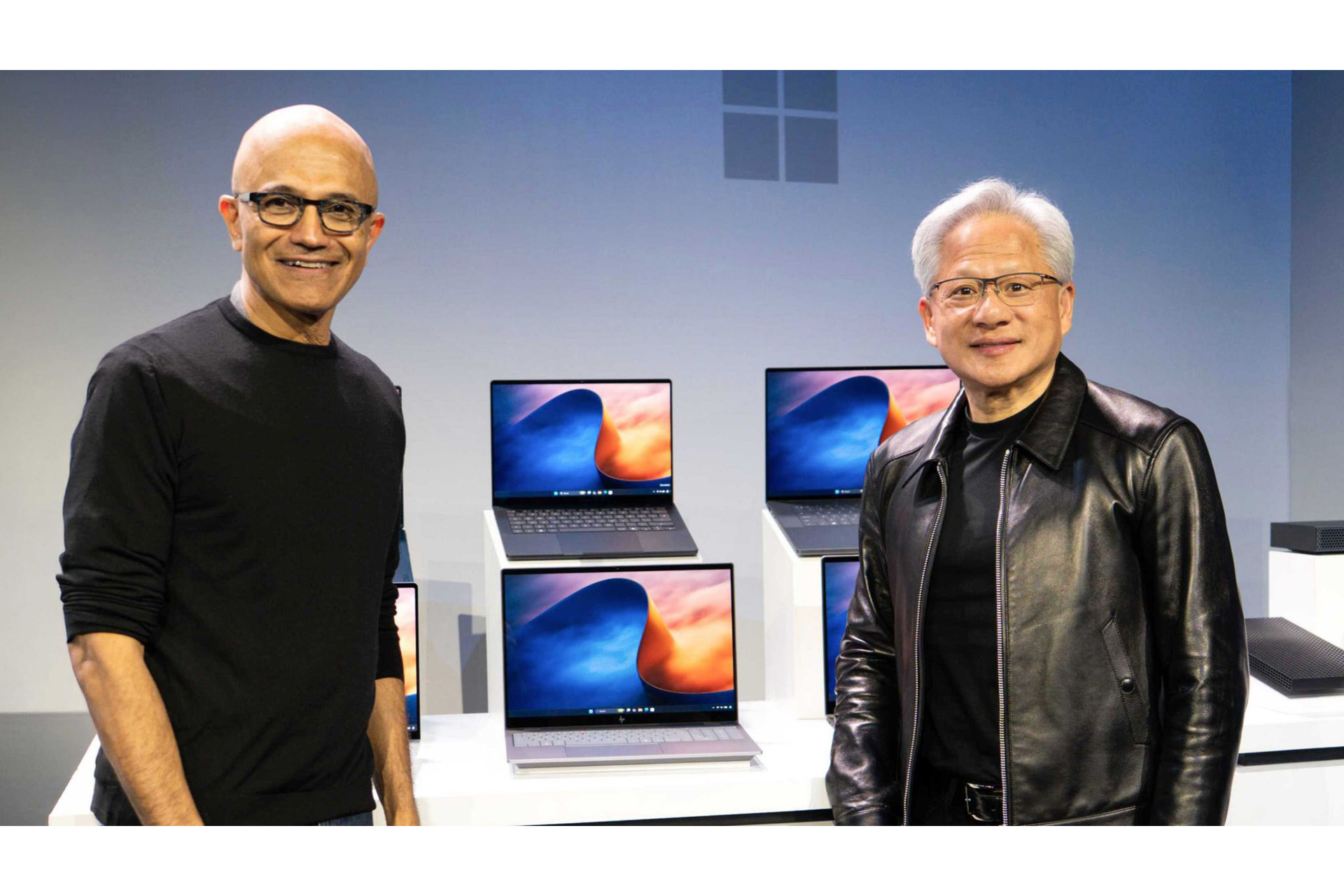
At the 'Windows AI and Surface' event in San Francisco, NVIDIA and Microsoft announced plans for hardware and…