What happened
Prosecutors say Jacob Soall, Sharon Hazan and Guy Sheetrit used AI-cloned CEO voices and posed as law-firm attorneys to push accounting staff into wiring funds abroad, then converted the cash to cryptocurrency. Each faces seven counts, including wire fraud and aggravated identity theft, with each count carrying up to 20 years.
Why it matters
The case shows AI voice and image tools being used to impersonate executives and trick finance teams into large transfers, a fraud pattern that reaches accounting staff directly and may make voice or video confirmation less reliable on its own, according to the indictment's allegations.
WHO IT HITSCorporate accounting and treasury teams at banks, hospital systems, fintechs, mutual funds and other firms that handle wire transfers are the frontline target, since the scheme relied on staff following instructions from a familiar CEO voice.
Summaries like this, every morning.
The indictment describes a repeatable playbook: AI-generated voice and images to mimic a CEO, then a second layer of impersonation as attorneys at major law firms, all aimed at getting accounting staff to wire money abroad before it was converted to cryptocurrency. The alleged operation ran from July 2024 to February 2026 and crossed borders at every step, with victims spread across New York, Missouri, Rhode Island, California, Massachusetts, Florida and the U.K.
The timing matters. The filing landed the same day the Justice Department unveiled a Super Intelligence Task Force to prosecute AI misuse, and it is one of 23 deepfake-related stories tracked in the last 90 days. Prosecutors also allege Hazan claimed he had been laundering money since 1994 and had laundered over $400 million in just the past three years, a detail that, if proven, would point to a much longer-running operation behind the AI front end. U.S. Attorney Jamie McDonald said the public should recognize that some seek to use this emerging technology for criminal goals.
Pick your industry and the AI tools you use, and get news related to your work every day.
Free · 30 seconds with Google · unsubscribe anytimeWhat is AIToday? →
Ask AI anything about this article. The AI reads this article, earlier AIToday articles, and Wikipedia, and cites its sources. Q&As are published on this page for other readers too.
At Fal.Con in Europe on Nov

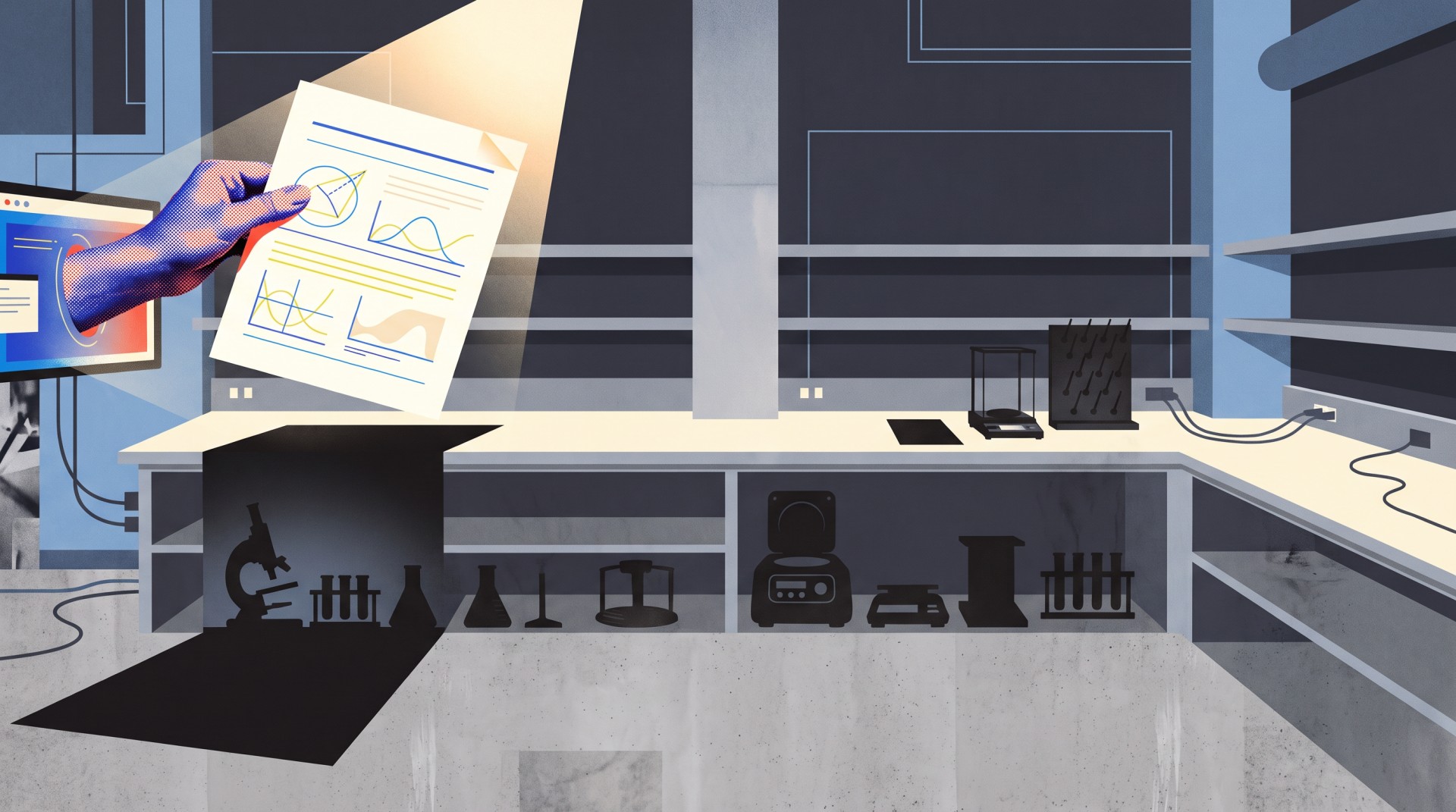
In the "Into the Unknown" benchmark, nine AI agents produced 135 submissions on 15 open research tasks from te…
Nous Research fine-tuned Alibaba's Qwen3.8-27B on 53 million tokens to create Arete-27B, which reduced its pro…
Owen Queen and James Zou re-tested 50 cited LLM claims across 20 models, finding 44% expired, 34% weakened, 16…
Check Point Research found 1,608 live ARTEX consoles and artifacts from 10 misconfigured ones; one operator's…

METR's 11-week probe found Anthropic's models improving roughly twice as quickly as a year ago, with benchmark…