
What happened
Since around late August, Artex and similar AI penetration frameworks have been used in attacks on companies, banks, and agencies, with reports linking them to theft from South Korean financial institutions.
Why it matters
The tools do not add new attack methods but let unskilled hackers run scans and intrusions in hours instead of days, lowering the bar for who can carry out cyberattacks.
WHO IT HITSSecurity and IT teams at banks, government agencies, and other targeted organizations face faster, noisier intrusion attempts that are easier to spot but harder to keep up with. Junior or amateur hackers may now attempt attacks that once required specialist skills.
Summaries like this, every morning.
The appearance of Artex follows a year of warnings from security researchers that AI agents could accelerate cyberattacks. What is notable is that the framework does not introduce new attack techniques; instead, it packages existing penetration testing tools and processes into a single, prompt-driven workflow. That packaging is what lowers the skill barrier, according to researchers who note that attacks which once took days can now be completed in hours.
The early evidence points to a mix of actors. CrowdStrike linked China-linked hackers known as Vapor Panda to Artex use against more than 200 organizations, and Microsoft spotted Chinese hackers it tracks as Storm-0940 using Artex after a supply chain attack. At the same time, researchers have found exposed Artex servers that appear to be run by less sophisticated users, including one case that looked like a student trying to change grades. That range suggests the tool is being adopted both by organized criminals and by amateurs.
Defenders do have some advantages for now. The attacks generate a lot of noise, making them easier to detect, and basic security practices such as patching software and monitoring unusual network activity can help. Still, the developer's removal of Artex from GitHub has not stopped its spread, as copied versions and other frameworks continue to circulate.
Pick your industry and the AI tools you use, and get news related to your work every day.
Free · 30 seconds with Google · unsubscribe anytimeWhat is AIToday? →
Ask AI anything about this article. The AI reads this article, earlier AIToday articles, and Wikipedia, and cites its sources. Q&As are published on this page for other readers too.
OpenAI said Apollo Research, METR, Transluce and Goodfire will work on-site at its offices, with access to unr…

At The New York Times DealBook Summit on Wednesday, Sam Altman said Silicon Valley talk of a gradual handover…
OneTrust launched its Fall '26 Release, built on OneTrust CORIE, adding a continuously updated AI inventory wi…

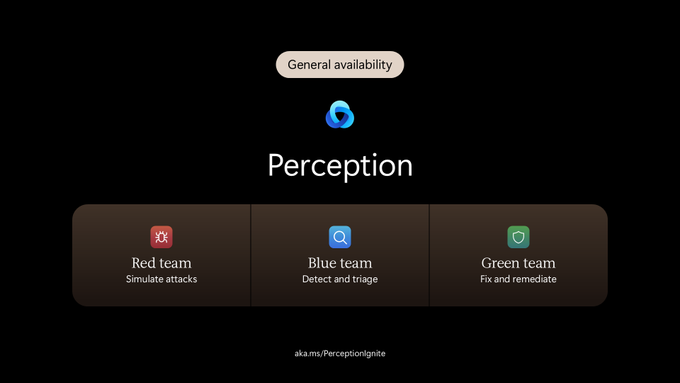
At Microsoft Ignite 2026, Microsoft said Microsoft Perception is now generally available, combining red, blue…
CADMAGEDDON scores 0.991 on BenchCAD's 64³ voxel IoU over a 1000-part subset, above vendor-reported 0.963, 0.9…

In an interview after winning the $1 million Berggruen Prize, philosopher Thomas Nagel said it is 'ridiculous'…