What happened
At the World Humanoid Robot Games 2026 in Beijing, Tiangong Ultra ran the 100 metres in 8.64 seconds, faster than Usain Bolt's 9.58-second world record. But Wai-keung Fung of Cardiff Metropolitan University says no robot system can yet reliably handle the whole laundry process.
Why it matters
Laundry forces robots to cope with clothes that are inside out, twisted together, soft and constantly changing shape, so a robot that can sort and fold a messy basket and recover from mistakes may be a better sign of general-purpose robot intelligence than a fast run.
Summaries like this, in your inbox every morning.
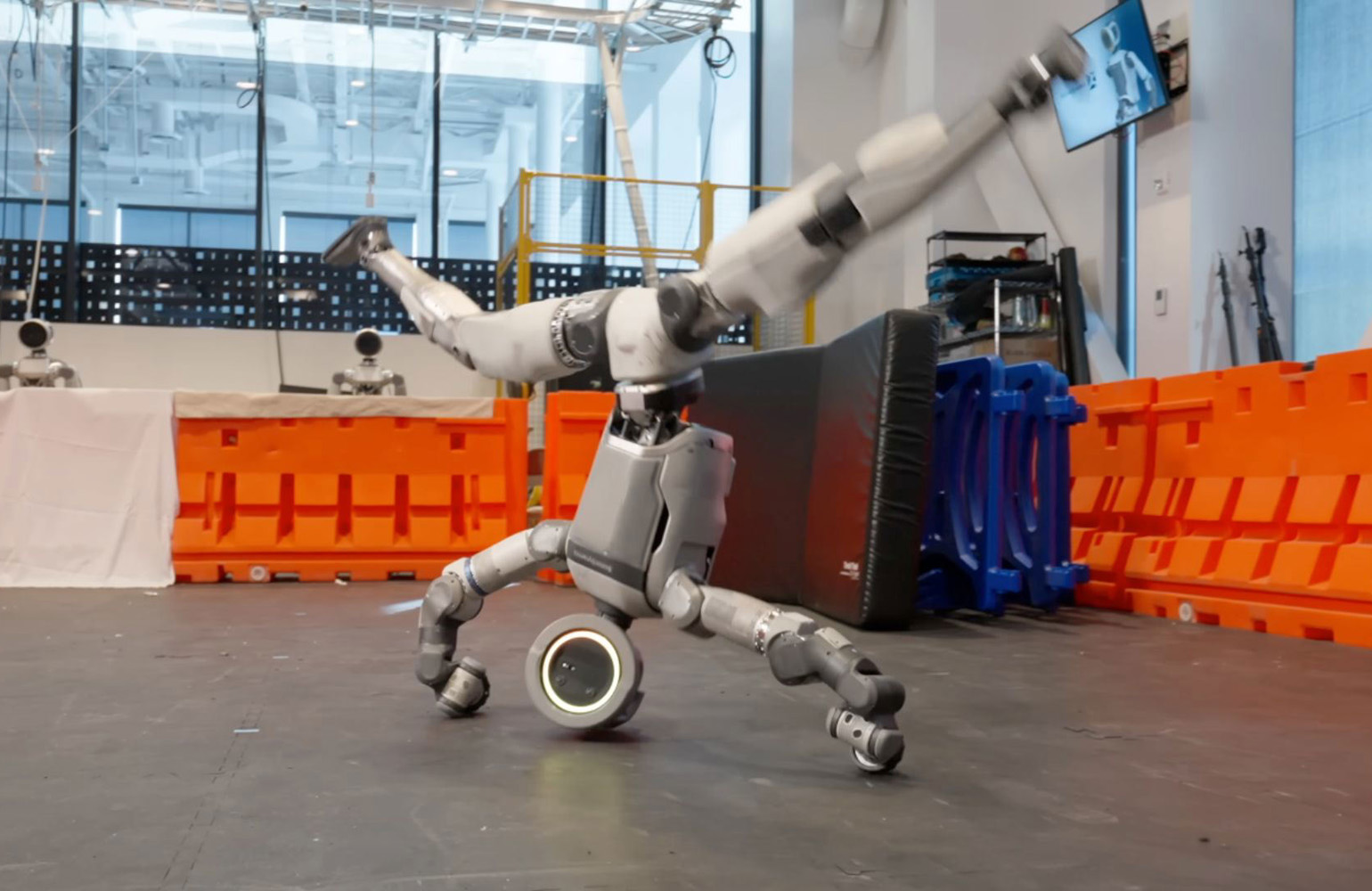
The World Humanoid Robot Games 2026 in Beijing put humanoid robots through sprinting, boxing, football and tasks inspired by factories, restaurants and emergency situations. Tiangong Ultra's 8.64-second 100 metres, quicker than Usain Bolt's 9.58-second world record, is the kind of result that makes the technology visible. Wai-keung Fung of Cardiff Metropolitan University argues that visibility is not the same as readiness.
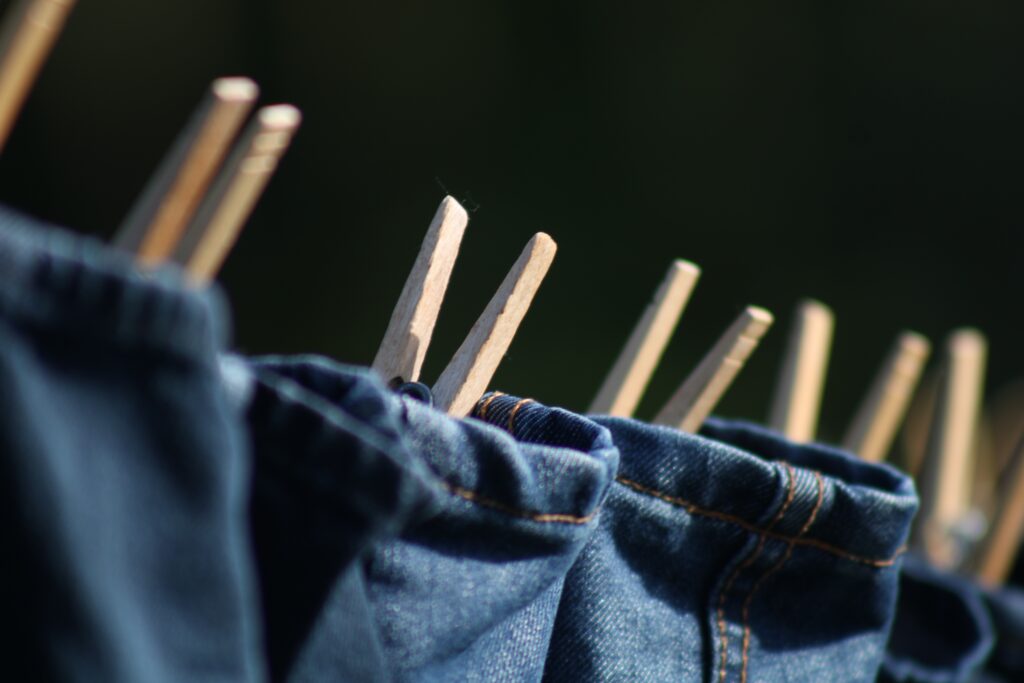
Running fast is difficult, but the task itself is fairly clear: the robot knows where to go, the track is predictable and the finish line does not change shape. Laundry is the opposite. A shirt may be inside out, one sleeve may be hidden underneath another garment, and a pair of trousers may be twisted around a towel. Fabric is soft and constantly changing shape, so picking up one corner of a T-shirt moves the rest of it.
The difficulty is compounded because a physical skill does not transfer between machines the way an app can be installed on any device. A specialist laundry robot with rigid arms, overhead cameras and fabric-specific grippers shares neither the body nor the balance constraints of a humanoid with cameras in its head and five-fingered hands. Research projects such as Open X-Embodiment are exploring this problem by pooling experience from many different robots; the project has brought together more than one million real robot trajectories from 22 different robot types, with the hope that robots can learn useful patterns from one another rather than starting from zero every time.
Pick your industry and the AI tools you use, and get news related to your work every day.
Free · 30 seconds with Google · unsubscribe anytimeWhat is AIToday? →
Ask AI anything about this article. The AI reads this article, earlier AIToday articles, and Wikipedia, and cites its sources. Q&As are published on this page for other readers too.
Gary S. Guthart said Intuitive Surgical is deepening its Shanghai presence in clinical training, the surgical…

Ron Zukerman of Vishay Precision Group published a column arguing robot makers should start from an economical…
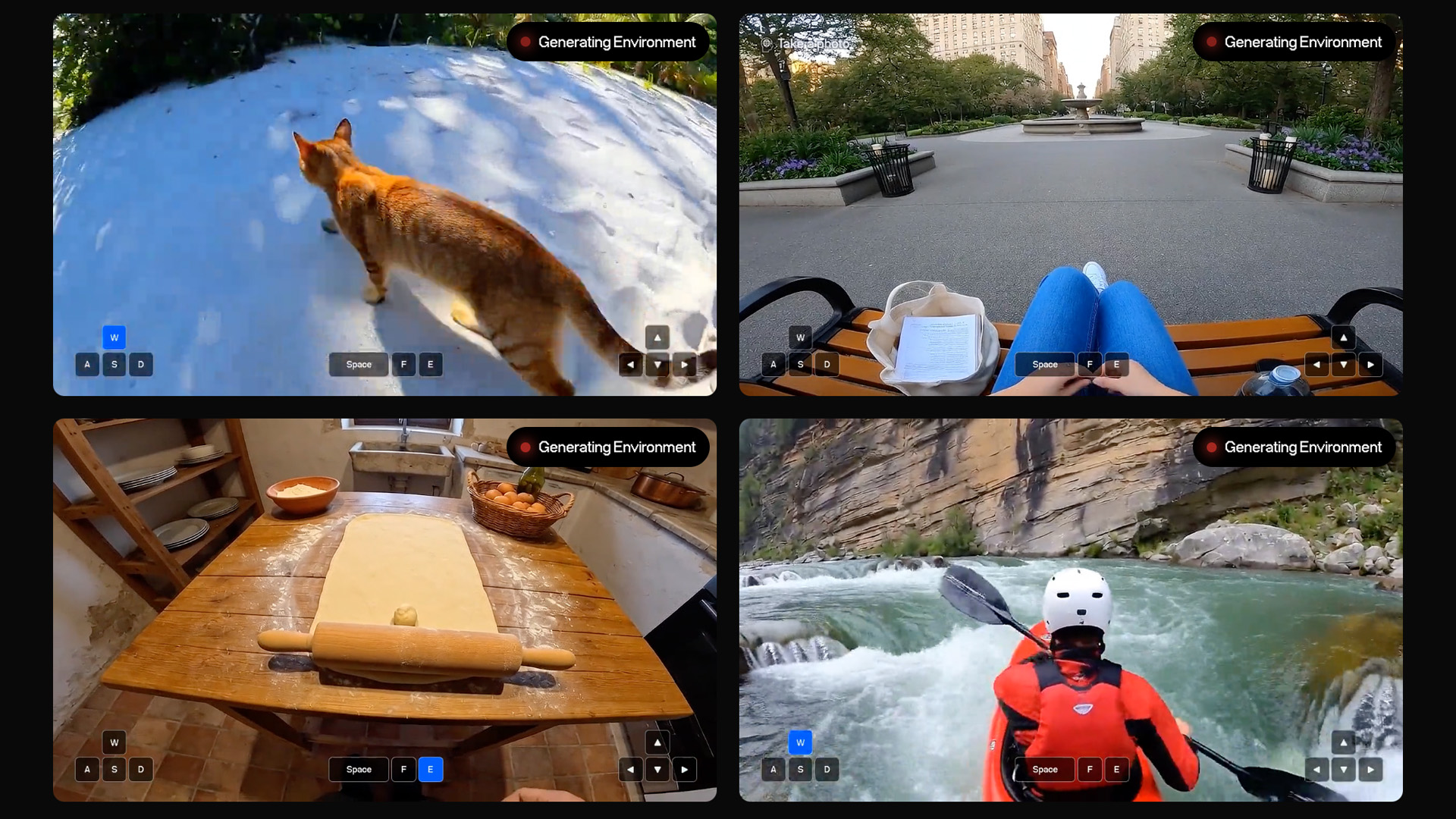
California-based Odyssey launched a free public research preview of Odyssey-3, its world model that generates…
Fujitsu published a design-focused initiative titled "Physical AI," which frames new future value as emerging…

Standard Bots, an AI-native industrial robot maker, raised $200 million at a $1 billion valuation in a series…
In a Fortune commentary piece, Serve Robotics chief Ali Kashani told his college-age daughters not to let hype…