What happened
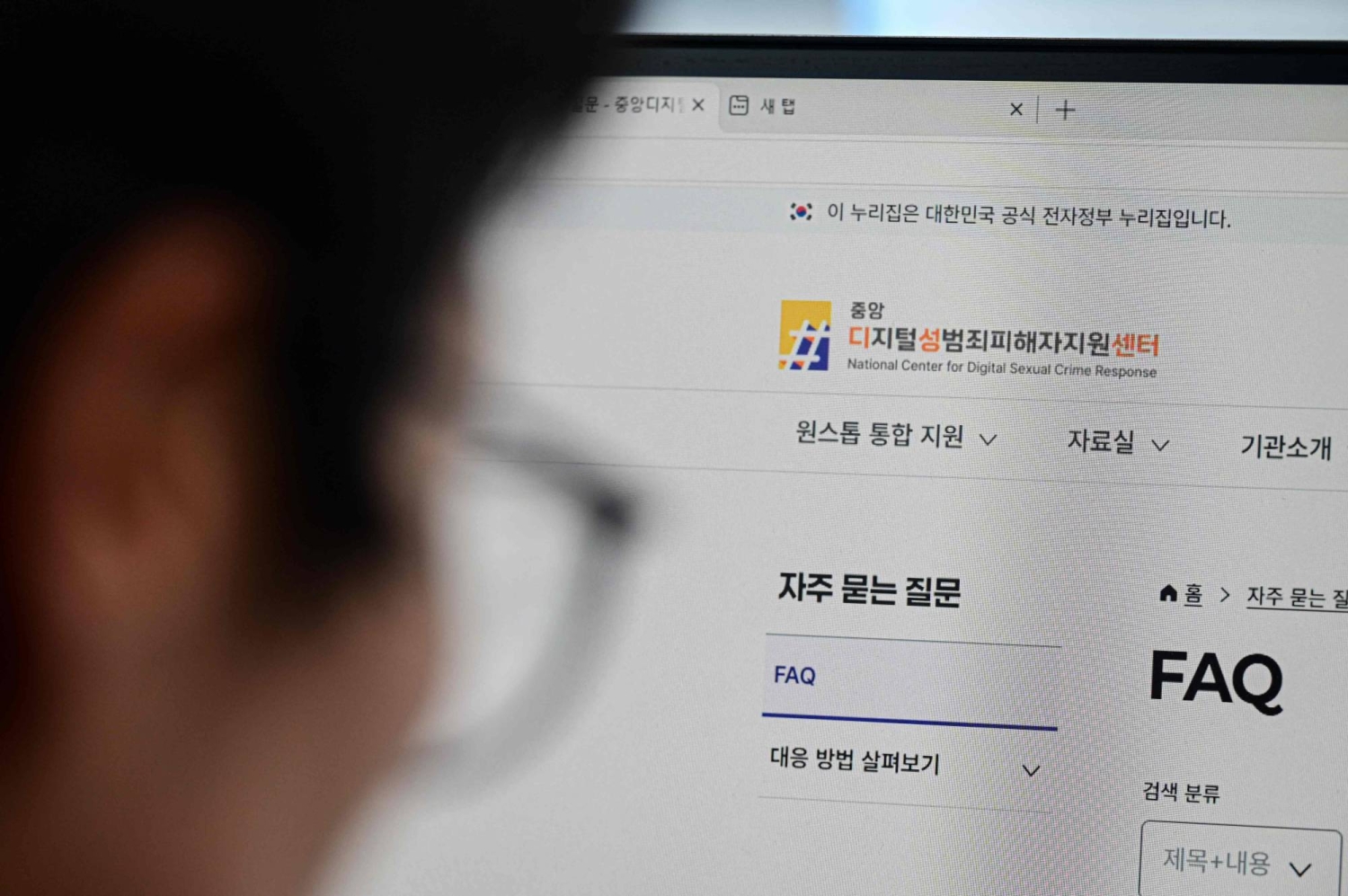
The National Center for Digital Sexual Crime Response in Seoul removed 318,000 videos and photos last year — including deepfakes, spycam content, and intimate images — on behalf of 10,600 people, 75% of whom were women and girls. Female South Korean digital detectives are organizing to hunt down illegal AI-enabled pornography across the internet.
Why it matters
South Korea, a global technology leader, faces a severe problem with digital sex crimes: spycams film women without consent, chat groups blackmail victims for explicit content, and non-consensual intimate images are shared widely. The scale — three in four victims are women and girls — underscores that technological advancement has created new tools for sexual exploitation that existing enforcement struggles to contain.
What to watch
The Center's removal of 318,000 items in a single year shows both the volume of the problem and the existence of institutional response, yet the continued prevalence suggests the work is far from solved.
Summaries like this, in your inbox every morning.
South Korea's position as a global technology powerhouse—home to the world's leading smartphone and memory chipmakers—has created a paradox: the same digital infrastructure that drives economic success has enabled widespread sexual exploitation. The National Center's removal of 318,000 items in a single year reveals both the scale of the problem and the fact that institutional responses exist, yet the prevalence of digital sex crimes suggests enforcement remains insufficient. Female digital activists organizing under banners of "Solidarity" and "We stand together with victims" are filling a gap, taking on investigative work to identify and remove illegal content. The fact that 75% of the 10,600 victims assisted by the Center last year were women and girls points to a gendered dimension of digital crime—spycam footage, blackmail for explicit content, and non-consensual image sharing disproportionately target women, turning technological capability into a tool for sexual coercion.
Pick your industry and the AI tools you use, and get news related to your work every day.
Free · 30 seconds with Google · unsubscribe anytimeWhat is AIToday? →
Ask AI anything about this article. The AI reads this article, earlier AIToday articles, and Wikipedia, and cites its sources. Q&As are published on this page for other readers too.
Taiwan is considering much stricter export controls on AI chip sales to China, part of a greater alignment wit…

In a webinar hosted by French Mathematical Society president Isabelle Gallagher, Fields Medal winner Hugo Dumi…

Anthropic said on October 15 it has started giving METR's six staff company devices, office space and access t…

NVIDIA published a blog post titled "AI Security Is an Engineering Problem - How to Solve It at Every Layer of…

At the Most Powerful Women Summit, Marissa Mayer said anyone who claims to know how AI will play out is 'eithe…

SHIFT announced it began a project for the Acquisition, Technology & Logistics Agency (防衛装備庁) covering AI-rela…