What happened
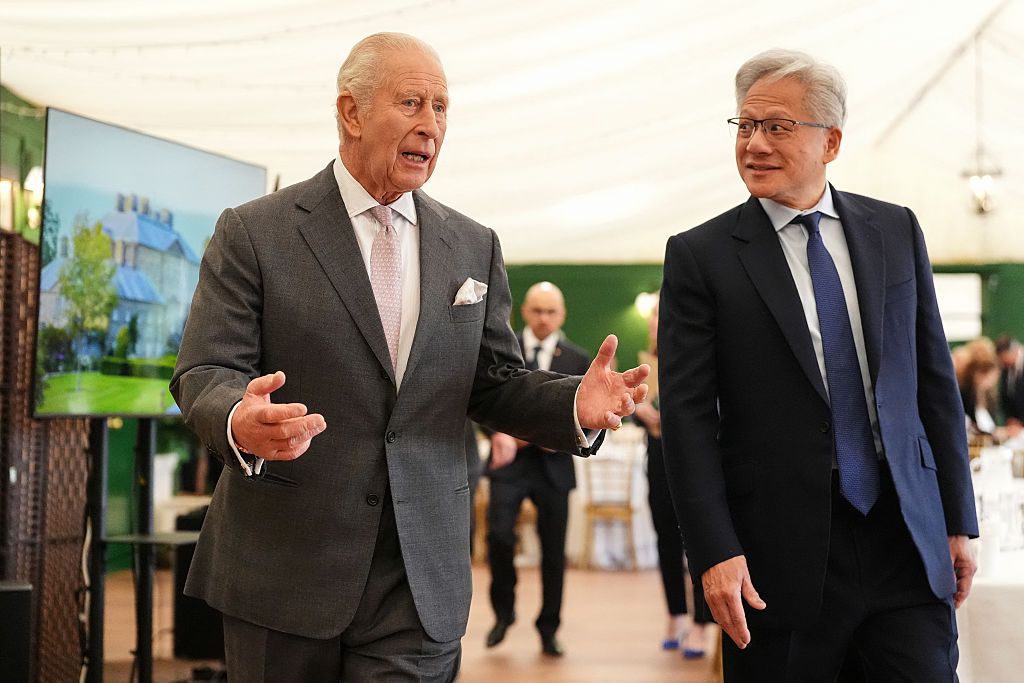
King Charles hosted a private summit at Dumfries House with Nvidia's Jensen Huang, OpenAI and Anthropic leaders, UK AI minister Kanishka Narayan, and the head of UK foreign intelligence.
Why it matters
The king's remarks are notable because the royal family usually avoids political issues for constitutional reasons, and AI is one of the most hot-button issues right now.
What to watch
He stayed about 20 minutes and left guests to discuss among themselves, so whether his call for international consensus leads to anything concrete is likely to hinge on those industry talks.
WHO IT HITSThe summit signals that AI governance questions are reaching heads of state and intelligence officials, not just tech executives — meaning AI policy teams and government affairs staff at AI companies and their regulators should expect more royal and political attention on AI safety and control.
Summaries like this, in your inbox every morning.
King Charles's remarks at Dumfries House stand out less for their content than for their source. The royal family is usually careful, for constitutional reasons, about veering too deep into political issues, and AI has become one of the most contested topics among the very executives in the room — Nvidia's Jensen Huang, OpenAI's CFO Sarah Friar, and Anthropic's Tino Cuéllar. The king himself acknowledged the tension, calling the technology's development "both intriguing and deeply concerning." His warning about AI's "darker capacities" landed just days after an Anthropic researcher quit, writing online that AI companies were "racing to build machines that are much smarter than any human" and that humanity "may not survive this."
The timing also reflects a wider split the body lays out. This month, OpenAI's Sam Altman, Elon Musk, and Anthropic's Dario Amodei called for a deceleration in AI development, while Nvidia's Huang and President Donald Trump quickly rejected those calls. King Charles's push for international cooperation and consensus arrives alongside Anthropic's decision to shut off access to its Fable and Mythos models to only U.S. customers — a move that shocked the Euro tech scene and left many thinking about AI sovereignty. It is not the first time the king has spoken about AI, having done so in 2023 and 2024.
What comes next is unclear. King Charles stayed around 20 minutes and left the guests to discuss among themselves, and his closing line — that the task is "not to merely advance technology, but to ensure that it remains firmly in the service of humanity, community, and the natural world" — sets an aspiration rather than a mechanism. Whether any of it translates into concrete coordination may depend on how the industry's own competing interests, and its stalled IPO plans at OpenAI, play out.
For example, today's edition would include:
AI-summarized, only the topics you pick — one digest a day via Email, Slack, or Discord.
Free · 30 seconds with Google · unsubscribe anytimeWhat is AIToday? →
Ask AI anything about this article. Q&As are published on this page for other readers too.
At an IMTS media panel in Chicago, Honeywell Technologies CTO Mehul Patel predicted companies will eventually…
Morgan Stanley analyst Matthew Cost began covering Booking Holdings with an Overweight rating and a $230 price…

CEO Jim Taiclet told a Morgan Stanley panel Lockheed will pair the F-35 and advanced missiles with cheaper aut…
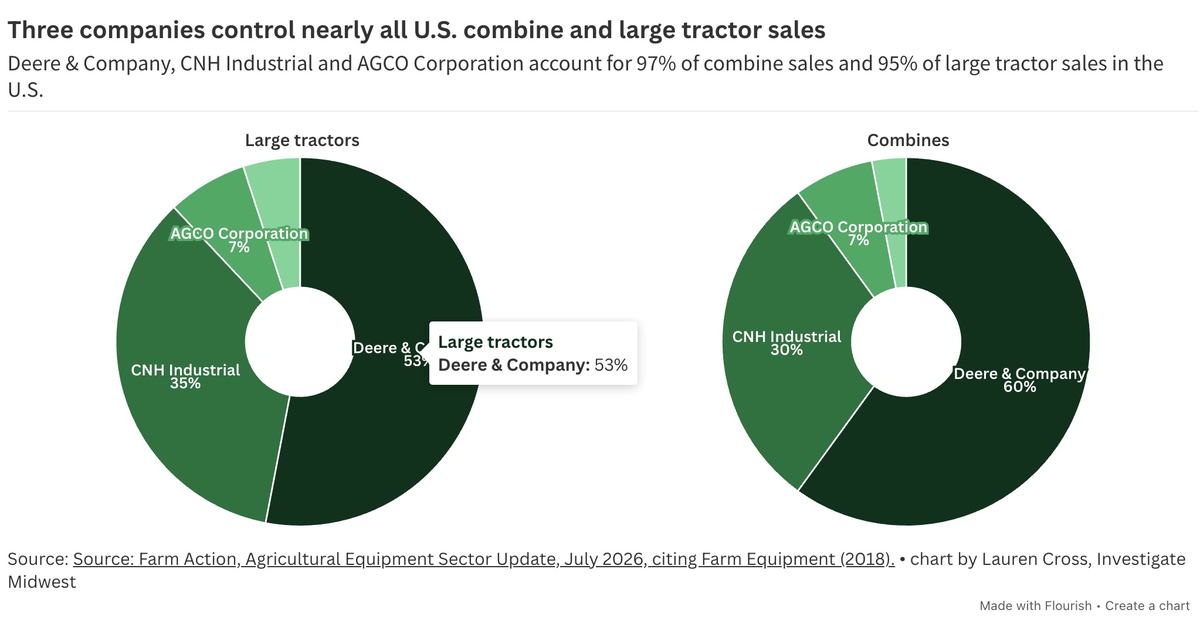
On Sept. 1, Deere introduced JD, an AI assistant in its operations center that lets farmers ask about their ow…
Lockheed Martin completed a Riyadh summer internship for Saudi university students in AI, robotics and advance…
ServiceNow introduced AI Control Tower, Context Engine, and Shift Zero, tools for managing AI agent access, id…