
What happened
ServiceNow introduced AI Control Tower, Context Engine, and Shift Zero, tools for managing AI agent access, identity governance, and security compliance as enterprises expand AI-driven automation across operations.
Why it matters
These tools link ServiceNow's AI narrative to concrete spending on governance and compliance rather than just productivity chatbots, giving large clients a way to monitor agent access and apply security policies across workflows.
What to watch
The near-term swing factor is how quickly customers adopt AI Control Tower without compressing margins as AI infrastructure costs rise. Watch the pace of adoption and whether governance tooling becomes crowded and weakens pricing power.
WHO IT HITSThis matters for enterprise IT teams, CISO organizations (security chiefs), and governance officers responsible for managing AI agent access and compliance. It also matters for investors evaluating whether ServiceNow's governance tools can support deeper standardization and justify its high P/E multiple.
Summaries like this, in your inbox every morning.
ServiceNow's introduction of AI Control Tower, Context Engine, and Shift Zero reflects a broader shift in enterprise AI priorities. As companies move from experimenting with AI chatbots to deploying autonomous agents that act on their own, the need to monitor what those agents do, who authorized them, and whether they comply with security policies becomes operational, not just theoretical. ServiceNow is positioning itself as the platform that connects identity governance, workflow context, and cybersecurity controls in one place — a pitch that resonates with large enterprises already standardizing on its workflow platform.
The investment story here is about whether governance tools can become a meaningful revenue driver alongside ServiceNow's existing IT, customer, employee, and risk workflow offerings. The company's narrative projects US$23.6b revenue and US$4.0b earnings by 2029, assuming 19.1% yearly revenue growth. Bullish analysts already anticipated agentic AI as the key catalyst, penciling in about US$26.1b revenue and US$5.7b earnings by 2029 — far more aggressive than consensus. The launch of AI Control Tower serves as the clearest operational bridge between today's workflows and that AI agent future.
The risk, as the article notes, is execution load. ServiceNow is pushing into CRM-style workflows and public sector deals while integrating recent acquisitions. Any stumble in shipping reliable features or managing hyperscaler costs could pressure renewal quality. The outcome hinges on whether customers adopt AI Control Tower quickly enough to support increased spending without compressing margins as AI infrastructure costs rise — and whether the governance tooling market becomes crowded enough to weaken pricing power.
For example, today's edition would include:
AI-summarized, only the topics you pick — one digest a day via Email, Slack, or Discord.
Free · 30 seconds with Google · unsubscribe anytimeWhat is AIToday? →
Ask AI anything about this article. Q&As are published on this page for other readers too.
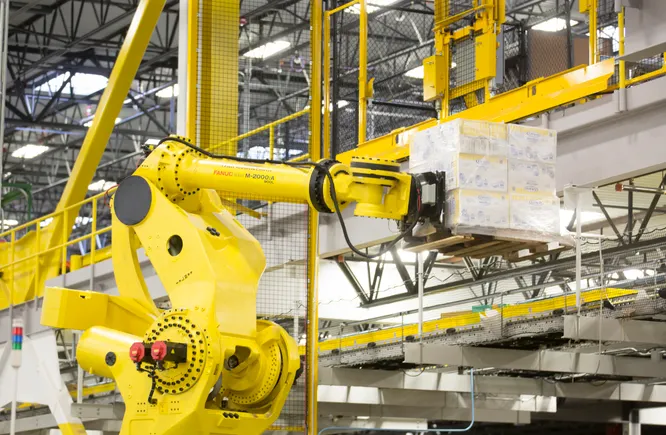
At an IMTS media panel in Chicago, Honeywell Technologies CTO Mehul Patel predicted companies will eventually…
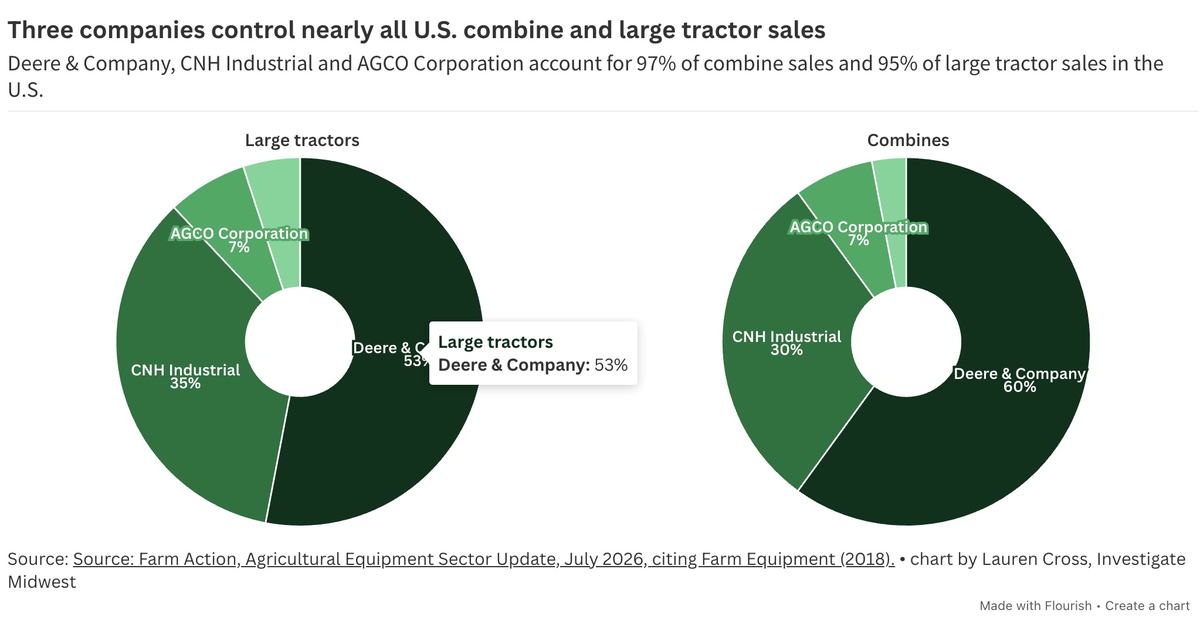
On Sept. 1, Deere introduced JD, an AI assistant in its operations center that lets farmers ask about their ow…
Morgan Stanley analyst Matthew Cost began covering Booking Holdings with an Overweight rating and a $230 price…

CEO Jim Taiclet told a Morgan Stanley panel Lockheed will pair the F-35 and advanced missiles with cheaper aut…
Lockheed Martin completed a Riyadh summer internship for Saudi university students in AI, robotics and advance…
Banks provided a $22 billion chip loan to a Blackstone and Alphabet AI cloud venture, according to a source ci…