What happened
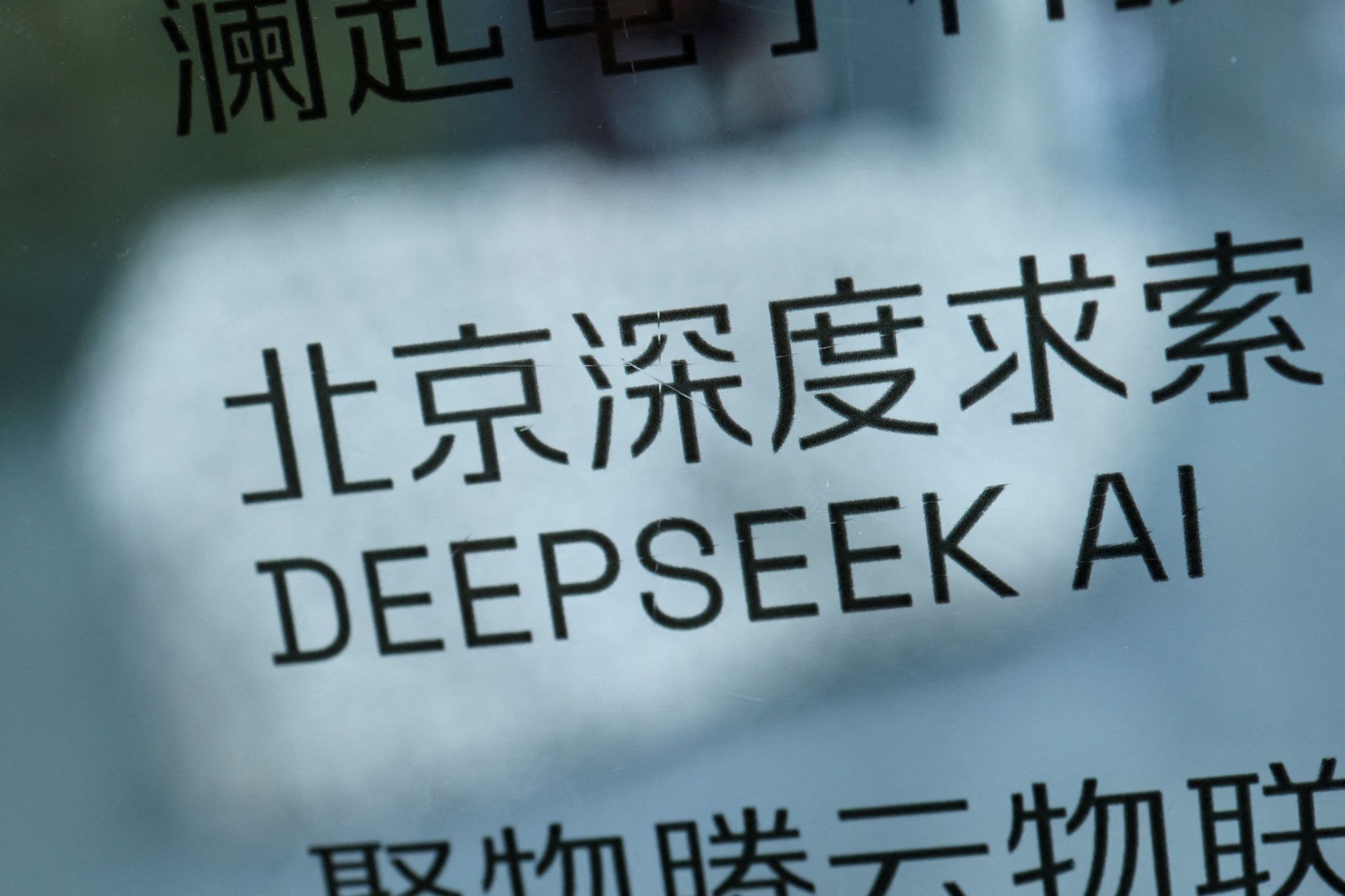
The US banned Chinese AI firm DeepSeek from most government systems and asked agencies to remove all technology built with it.
Why it matters
Agencies must now strip DeepSeek-built technology from their systems, a concrete step in the AI competition between the superpowers.
WHO IT HITSGovernment agencies and their IT contractors must now identify and remove DeepSeek-built technology from federal systems, a compliance burden that could extend to vendors supplying those agencies.
Summaries like this, in your inbox every morning.
The ban follows long-running accusations by US firms that Chinese rivals have been "distilling" their AI models — a practice the White House's technology advisor has described as a "malicious exploitation" of American technology. Washington's action against DeepSeek turns those complaints into a concrete restriction on which AI tools government agencies may use.
The move lands as skepticism about AI's impact has grown on both sides of the Pacific. Researchers have argued that Washington and Beijing should look past their differences and work together to rein in the powerful technology, which some warn poses an existential threat to humanity. A Silicon Valley investor, writing in The Washington Post, called for "a narrow bilateral framework" now — a suggestion that stands in contrast to the unilateral step the US has just taken.
Pick your industry and the AI tools you use, and get news related to your work every day.
Free · 30 seconds with Google · unsubscribe anytimeWhat is AIToday? →
Ask AI anything about this article. The AI reads this article, earlier AIToday articles, and Wikipedia, and cites its sources. Q&As are published on this page for other readers too.
OpenAI's models, including GPT-6 Astra, and its Codex coding agent will be available through Google Cloud's Mo…

Anthropic reportedly plans to spend $750 billion on adding compute capacity in the coming years, including hun…
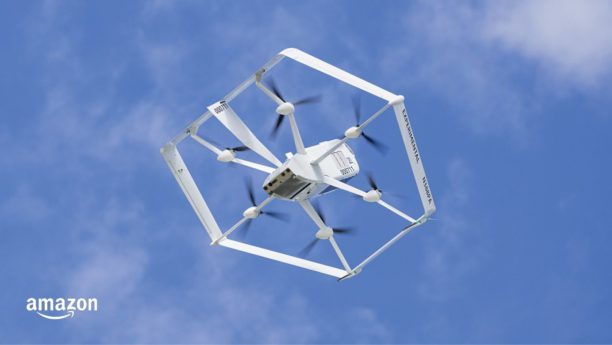
Northglenn, Colorado, advanced a land-use ordinance on October 12 that would confine drone delivery hubs to in…
NVIDIA announced DSX POD, a modular AI factory pairing Vera Rubin systems with power, cooling and networking…
On held-out synthetic data (32 requests, 7 tasks), sending everything to an LLM cost about $0.15, versus $0.01…

A survey conducted by Google and other parties found that 58% of respondents in Southeast Asia use generative…