What happened
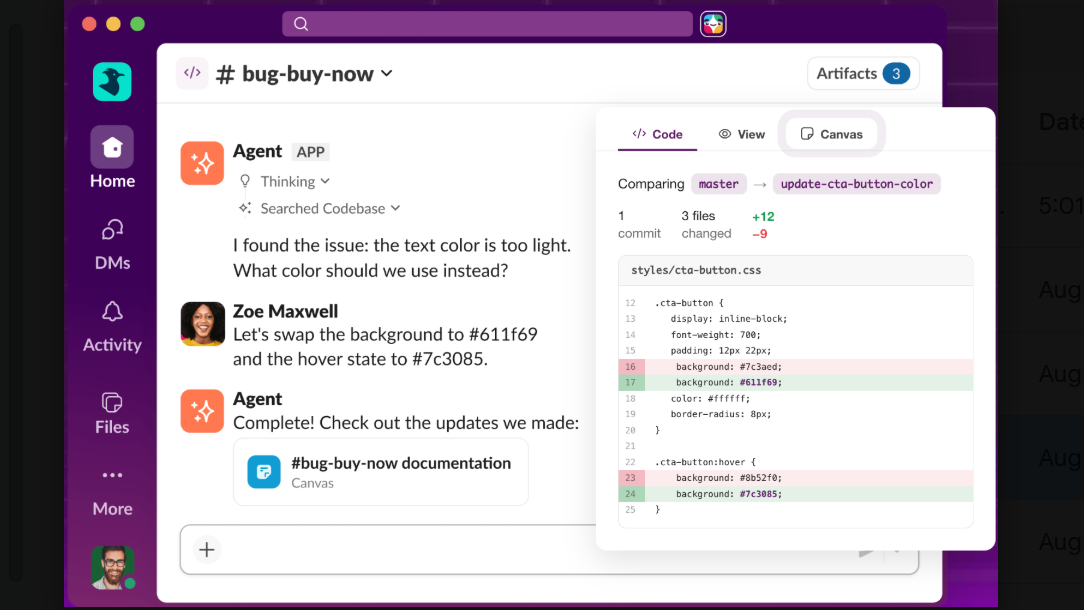
Salesforce introduced Slack Code, a feature that lets teams work together directly with coding agents—including Claude Code, Vercel's v0, Cognition AI's Devin, and OpenAI's ChatGPT—in a shared chat channel. When a team member tags a coding agent, it opens a Code Channel, spins up an agent workspace, and displays code output and previews in a canvas for the whole team to see and review.
Why it matters
Slack Code shifts coding from isolated individual work to transparent team collaboration. Instead of developers working in separate terminals and then merging code later, teams now ideate, build, and review together in one place—reducing rework when the direction changes. Marketing or business teams can also spin up agents early to prototype ideas before handing off to engineers, compressing the cycle from idea to deployment and reducing lifecycle churn.
What to watch
Slack Code is available starting today on any Slack plan; access requires a subscription to your chosen coding agent (Claude, v0, Devin, ChatGPT, or others). All code artifacts, diffs, previews, and GitHub links persist in Slack's archive, so teams can review the full work history and context later.
Summaries like this, in your inbox every morning.
Salesforce has positioned Slack as the hub for 'multiplayer' work, and Slack Code extends that philosophy into software development itself. The launch addresses a real friction point: as coding agents become faster and more capable, teams risk fragmenting further—each developer running their own agent, building in parallel, and discovering misalignment only at merge time. By embedding agents directly into team chat, Slack Code forces visibility and synchronous feedback, allowing non-engineers (designers, marketers, business leads) to participate earlier and guide direction before expensive rework.
The persistence of all agent artifacts, diffs, and context in Slack's archive creates an operational record that the body suggests teams can use to trace decisions and learn from the agentic build process. This is a shift from traditional code review, where feedback happens after the fact; here, feedback happens in the channel as the agent works, theoretically reducing the "lifecycle churn" that occurs when teams discover they've built in the wrong direction.
Pick your industry and the AI tools you use, and get news related to your work every day.
Free · 30 seconds with Google · unsubscribe anytimeWhat is AIToday? →
Ask AI anything about this article. The AI reads this article, earlier AIToday articles, and Wikipedia, and cites its sources. Q&As are published on this page for other readers too.
ElevenLabs completed a $300 million employee tender at a $22 billion valuation, and co-founder Mati Staniszews…

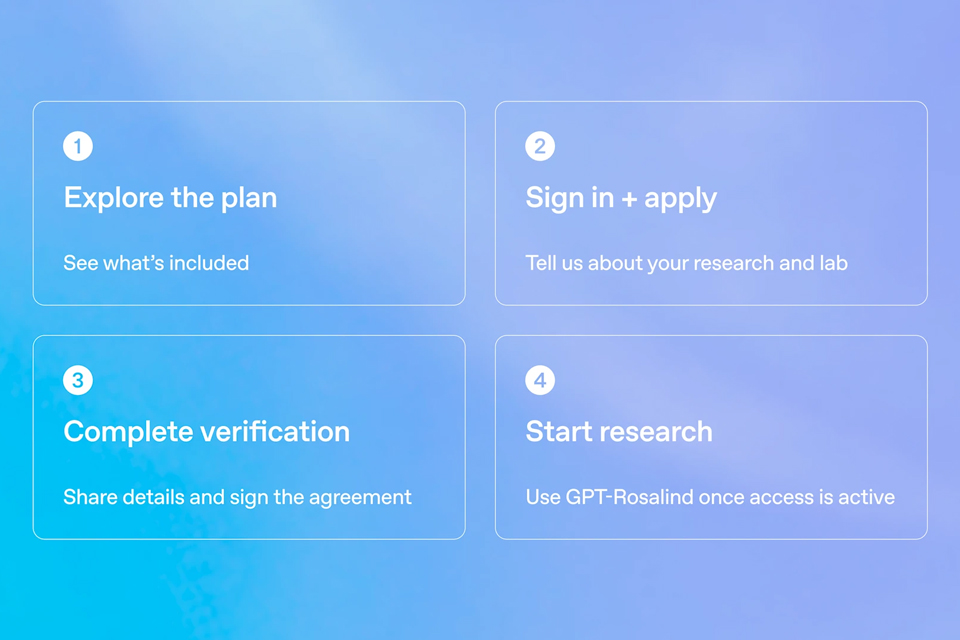
On October 15, OpenAI announced the Rosalind Academic Plan, giving approved US university labs free access to…
A Qiita article compared automated red-teaming methods for LLM apps — GCG, PAIR, and TAP — using mock implemen…

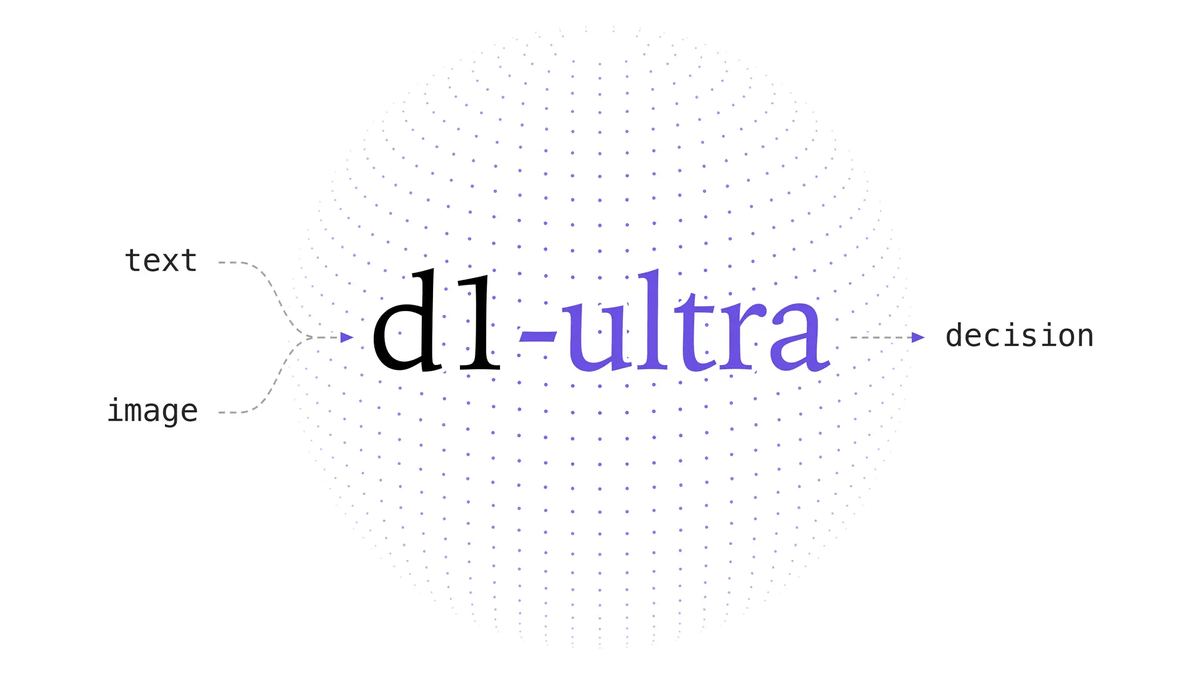
Liquid AI released d1-ultra on October 15, 2026, an upgraded open-weights decision model that averaged 76.7 ac…
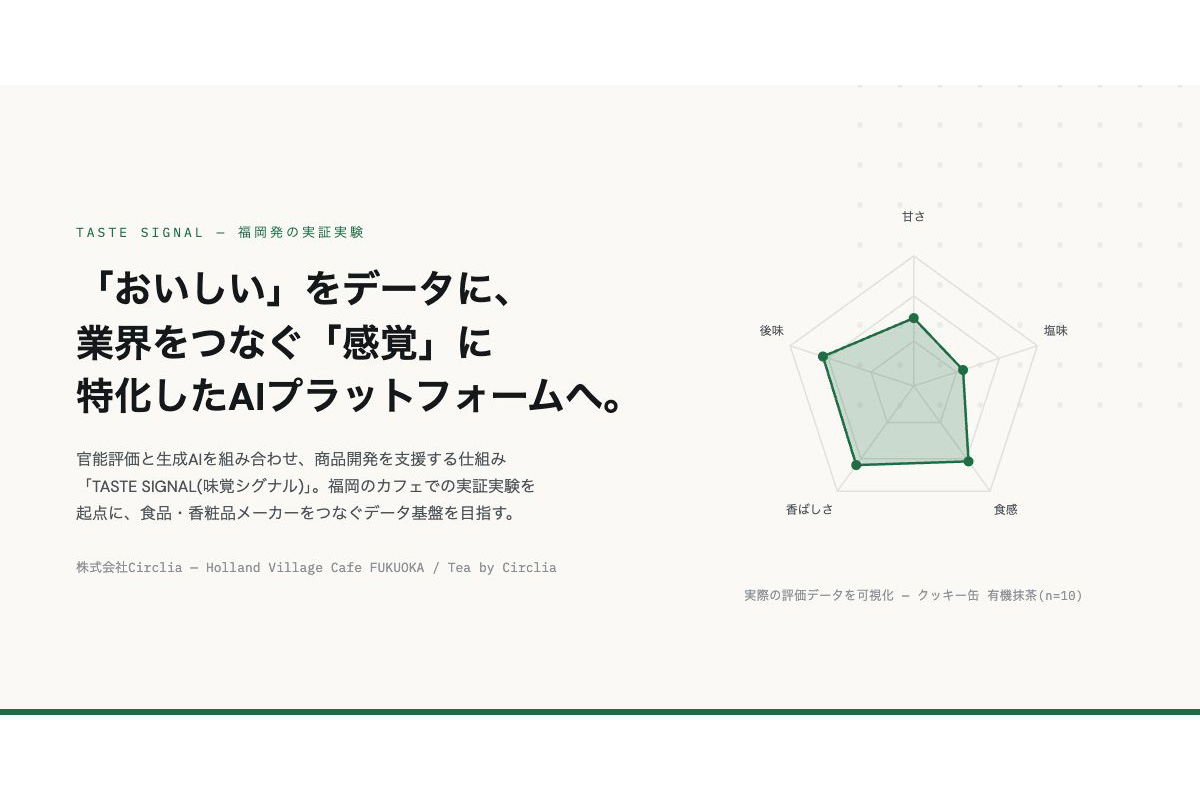
Circlia started a proof-of-concept for TASTE SIGNAL: visitors to Holland Village Cafe FUKUOKA taste cookies an…
In a webinar hosted by French Mathematical Society president Isabelle Gallagher, Fields Medal winner Hugo Dumi…

