SpaceX has closed its $60 billion acquisition of Cursor, the code editor, granting it instant access to over 50,000 companies (including nearly two-thirds of the Fortune 500) and the data streams that trained Cursor's coding model.
This deal lands as SpaceX releases Grok 4.6, an AI model that matches GPT-5.6 Sol on the Artificial Analysis Intelligence Index and ranks in the top coding cluster on SWE-bench, all at a fraction of competitors' cost thanks to SpaceX's own Colossus compute infrastructure.
The vertical integration—combining its own models, coding tools, and data centers—gives SpaceX a structural advantage over OpenAI and Anthropic, which still rent much of their capacity.
What happened
SpaceX closed a $60 billion acquisition of Cursor, a popular code editor with over 50,000 companies in its user base, including nearly two-thirds of the Fortune 500. The deal arrived days after SpaceX released Grok 4.6, its latest AI model, which scored 61 on the Artificial Analysis Intelligence Index—matching GPT-5.6 Sol and placing it in the top coding cluster on SWE-bench.
Why it matters
Cursor's installed base gives SpaceX immediate access to enterprise developers and the interaction data that trained Composer, Cursor's coding model—a domain that has become highly lucrative in AI. SpaceX now operates two model families (Grok and Composer), coding tools, and an AI agent (Grok Bot) on its own compute infrastructure, a vertical integration advantage that frontier labs like Anthropic and OpenAI do not fully possess. Grok 4.6's pricing is a fraction of competing advanced models, enabled by SpaceX's Colossus compute clusters (1.4 gigawatts at end of June, expected to surpass 2 gigawatts by year-end).
What to watch
Grok 4.7 is expected within weeks as xAI aims to close the gap with the latest GPT and Claude models. SpaceX faces new stock-price pressure through mid-2027 as lock-up periods on most of its shares expire. Success in converting Cursor's developer base into a top choice for software developers could place SpaceX in direct competition with Anthropic and OpenAI, both targeting trillion-dollar-plus valuations in upcoming IPOs.
Ask the AI about this article →
SpaceX's acquisition of Cursor marks a strategic pivot to compete directly in the lucrative AI-for-developers market. By acquiring Cursor, SpaceX gains not only a large and high-value user base—including enterprise customers and nearly two-thirds of Fortune 500 companies—but also proprietary interaction data that has already trained Composer, Cursor's own coding model. This data asset sits at the heart of AI model development, giving SpaceX a built-in advantage over competitors who must generate such signals independently.
The timing and structure of the deal reflect SpaceX's broader competitive strategy. Grok 4.6's launch days before the Cursor close shows SpaceX's intent to deploy its own models into a ready-made installed base of developers. Unlike Anthropic and OpenAI—both targeting trillion-dollar-plus valuations—SpaceX already operates its own compute infrastructure (Colossus clusters, with 1.4 gigawatts at mid-year and 2 gigawatts expected by year-end), allowing it to price Grok 4.6 aggressively. That vertical integration—combining models, coding tools (Composer), an AI agent (Grok Bot), and infrastructure—creates an edge frontier labs have not yet matched.
However, SpaceX faces a critical gap. The article notes that SpaceX still lacks a large recurring profit center like Alphabet's Search or Microsoft's Office to fund its AI ambitions. While Cursor's enterprise base and Grok's competitive pricing position may seem to address this, the execution risk remains high. Success requires converting Cursor's developer community into loyal Grok users—a task complicated by developer lock-in to existing tools and workflows.
AI-summarized, only the topics you pick — one digest a day via Email, Slack, or Discord.
Free · takes 30 seconds · unsubscribe anytime
Ask AI anything about this article. Q&As are published on this page for other readers too.
AT&T is deploying open-source AI models to reduce its reliance on Anthropic's commercial services and lower it…
Charles Schwab is establishing a global capability center in Hyderabad, India, starting with 500 employees and…
Bristol Myers Squibb announced a strategic collaboration with Chai Discovery, a 2024-founded AI company, to in…

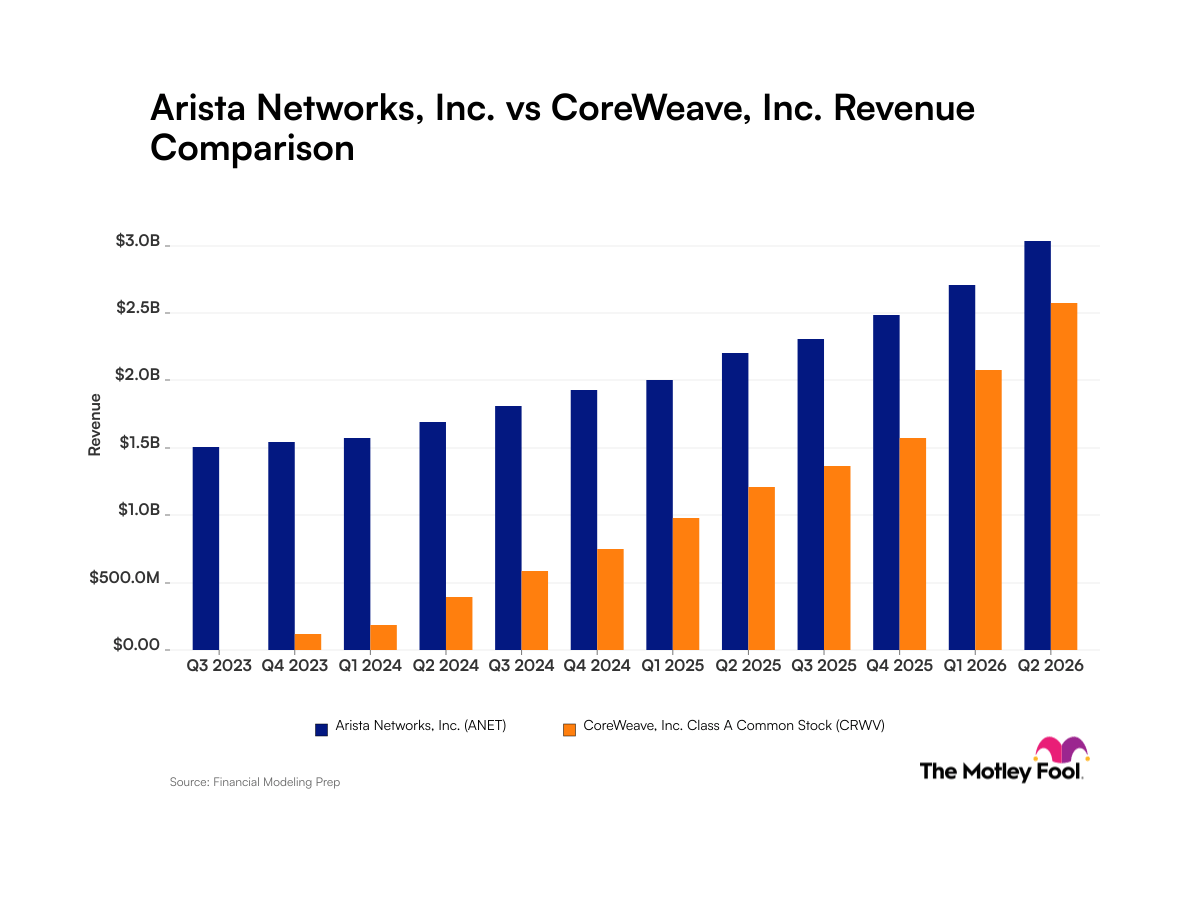
Arista Networks reported Q2 2026 revenue of $3.0 billion (quarter ended June 30, 2026), while CoreWeave posted…
Bristol Myers Squibb (BMS) has partnered with Chai Discovery, an AI company, to use artificial intelligence fo…
U.S. software jobs have risen over the past year, and the 12-month moving average of workers in computer and m…