
What happened
Code governance has shifted from manual processes to automated, policy-driven systems. The emergence of generative AI has introduced a new layer of governance challenges, prompting organizations to implement policies that specify when AI-generated code can be used, how it must be reviewed, and what validation steps are required before deployment.
Why it matters
Large, complex codebases require governance frameworks that can scale in size and sophistication. AI tools powered by large language models (LLMs) dramatically increase development speed, but organizations must now address code quality of AI-generated outputs along with security risks, intellectual property concerns, and model usage policies to maintain software reliability.
What to watch
Governance as code and policy as code—approaches that embed governance and policy enforcement directly into workflows by translating policies and rules into machine-readable code—are becoming more sophisticated through technologies like Open Policy Agent (OPA). AI-powered coding environments can now perform these processes automatically throughout the software development lifecycle.
Summaries like this, in your inbox every morning.
Pick your industry and the AI tools you use, and get news related to your work every day.
Free · 30 seconds with Google · unsubscribe anytimeWhat is AIToday? →
Ask AI anything about this article. The AI reads this article, earlier AIToday articles, and Wikipedia, and cites its sources. Q&As are published on this page for other readers too.
Dell says its AI Data Platform uses a four-engine architecture and a Unified Semantic Layer to connect siloed…
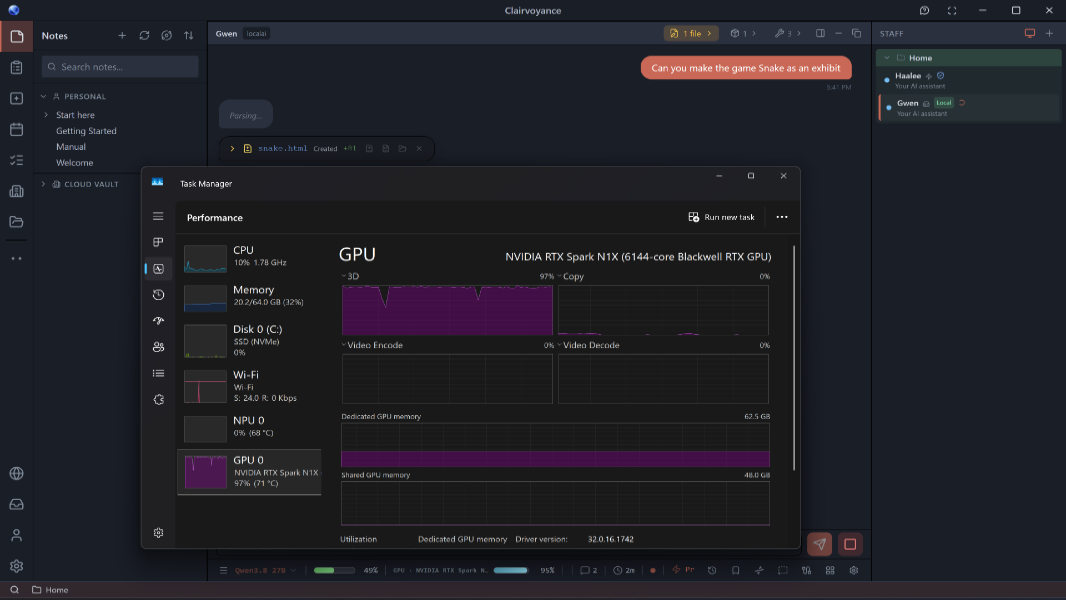
Microsoft and Nvidia are promoting RTX Spark, a new class of Windows PCs for local AI, with a top configuratio…
Microsoft AI CEO Mustafa Suleyman told employees that MAI-Base-2, announced Thursday, is a stronger pre-traine…

Germany's government will unveil an AI agreement with Nvidia next week, according to government sources cited…

Amazon introduced Bee Frontier, a wearable personal AI, for $74.99 in Onyx, Lavender and Sage, and Bee Eclipse…

Wall Street ended down sharply, with worries about the AI trade and high oil prices weighing on the market