What happened
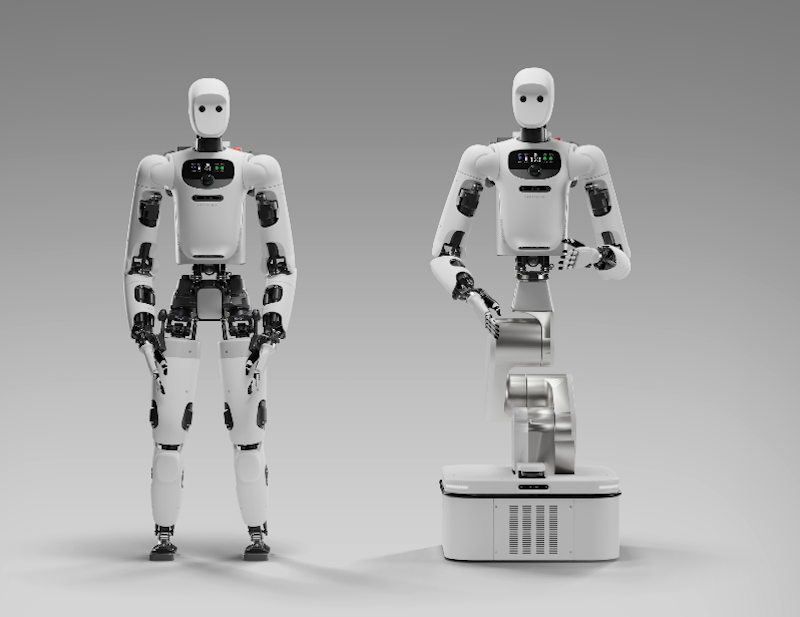
Apptronik opened its expanded Robot Park facility in Austin, Texas—a nearly 90,000-square-foot data collection and training center for humanoid robots. The company also unveiled Apollo 2, available in bipedal and wheeled-base configurations, and announced operational fleets already active across Robot Park and at customer and partner sites worldwide, including Mercedes-Benz and GXO.
Why it matters
Humanoid robots like Apollo need large amounts of real-world data to train the embodied AI models that enable autonomous operation. Robot Park and Apollo 2 form an integrated system with Google DeepMind's Gemini Robotics—foundational AI models for robotics—allowing Apptronik to continuously collect high-quality training data through teleoperation and autonomous execution. This loop of robots working, collecting data, and improving aims to move humanoid robots from early prototypes to real, deployable systems.
What to watch
Everything Apptronik is learning through Apollo 2 today is powering the development of its next-generation commercial product, Apollo 3, which is expected to debut with what the company describes as unprecedented out-of-the-box embodied intelligence. The company also plans to open new Robot Park locations in more cities soon.
Summaries like this, in your inbox every morning.
Apptronik's strategy centers on creating a closed-loop system between hardware deployment and AI training. By operating Apollo 2 robots across distributed locations—its own Robot Park facility and customer sites—the company generates a continuous stream of real-world data. This data is fed into Google DeepMind's Gemini Robotics models, which are then refined and deployed back to the robots. The CEO's comment that the company is focused on "what they can do every day on the job," rather than demos, signals an emphasis on practical, production-ready deployment over laboratory proofs of concept.
The modular design of Apollo 2—offered in both bipedal and wheeled forms—appears to address a customer demand constraint: existing industrial facilities have safety standards and workflows built around mobile robots on wheels. By offering the same core technology in a wheeled variant that complies with those standards, Apptronik can expand data collection across more operational environments today while refining the bipedal walking capability in parallel. This approach enables the company to gather diverse task experience (logistics, manufacturing, retail, and others) needed to train embodied AI models that can generalize across environments.
The announcement of Apollo 3 as the next commercial product suggests that the year-plus of Apollo 2 deployment is explicitly feeding into the development of a commercial fleet. The body indicates that Apollo 3 is expected to arrive with "unprecedented out-of-the-box embodied intelligence," implying that the massive data streams from Apollo 2 operations will materially improve the AI models that ship in the next generation.
Pick your industry and the AI tools you use, and get news related to your work every day.
Free · 30 seconds with Google · unsubscribe anytimeWhat is AIToday? →
Ask AI anything about this article. The AI reads this article, earlier AIToday articles, and Wikipedia, and cites its sources. Q&As are published on this page for other readers too.
In an internal test, Google DeepMind robotics researchers instructed Gemini 4 Argon to watch a video of a huma…
Amulya Vishwanath, who spent seven years leading product marketing for Nvidia's robotics platforms, says robot…

Skild AI used Nvidia Isaac Sim to give its S1 model one objective — score a goal — and let it compete against…
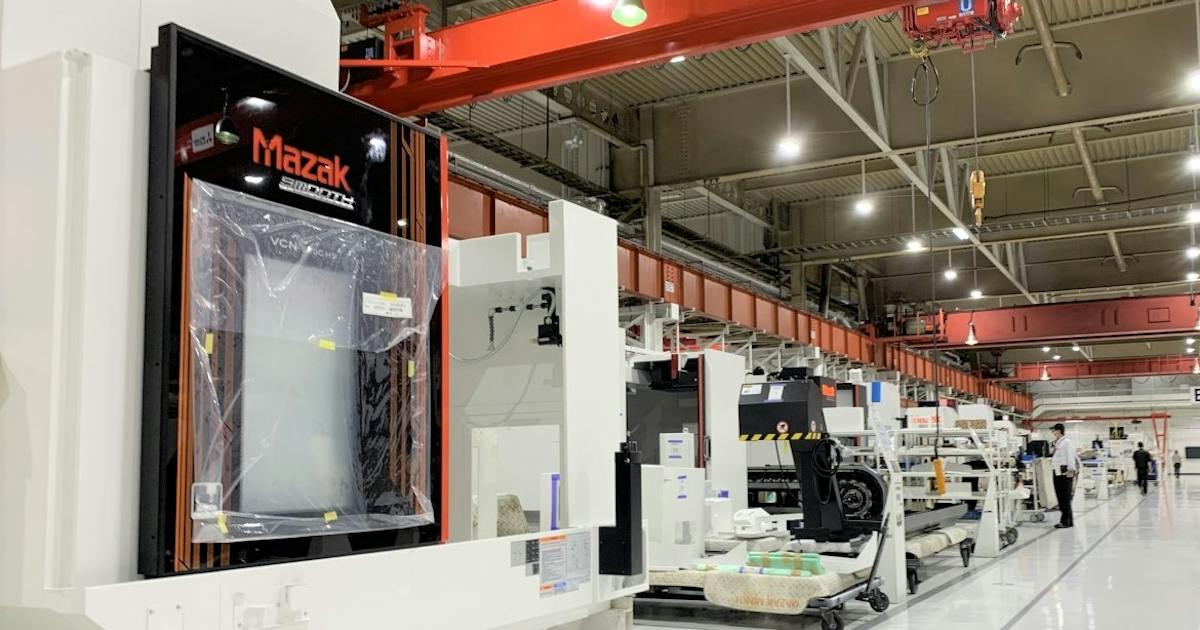
Yamazaki Mazak and ABEJA said on the 16th they will start joint development of physical AI, using ABEJA's ABEJ…
Toyota Motor's Japan Mobility Show Bizweek 2026 booth centers on its AI basketball robot CUE7, has no other ex…
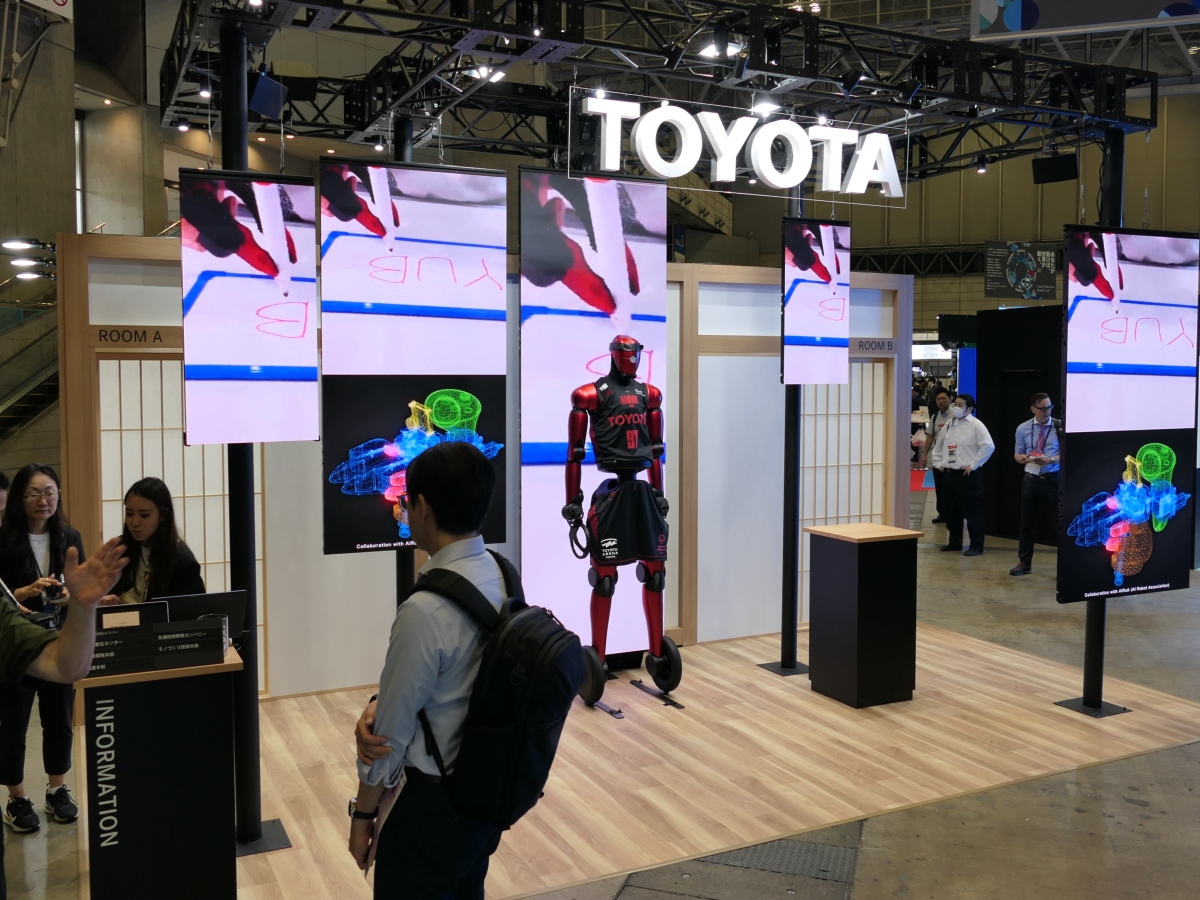
Japan Mobility Show Bizweek 2026 showcased Physical AI applications, including Toyota's basketball-playing rob…