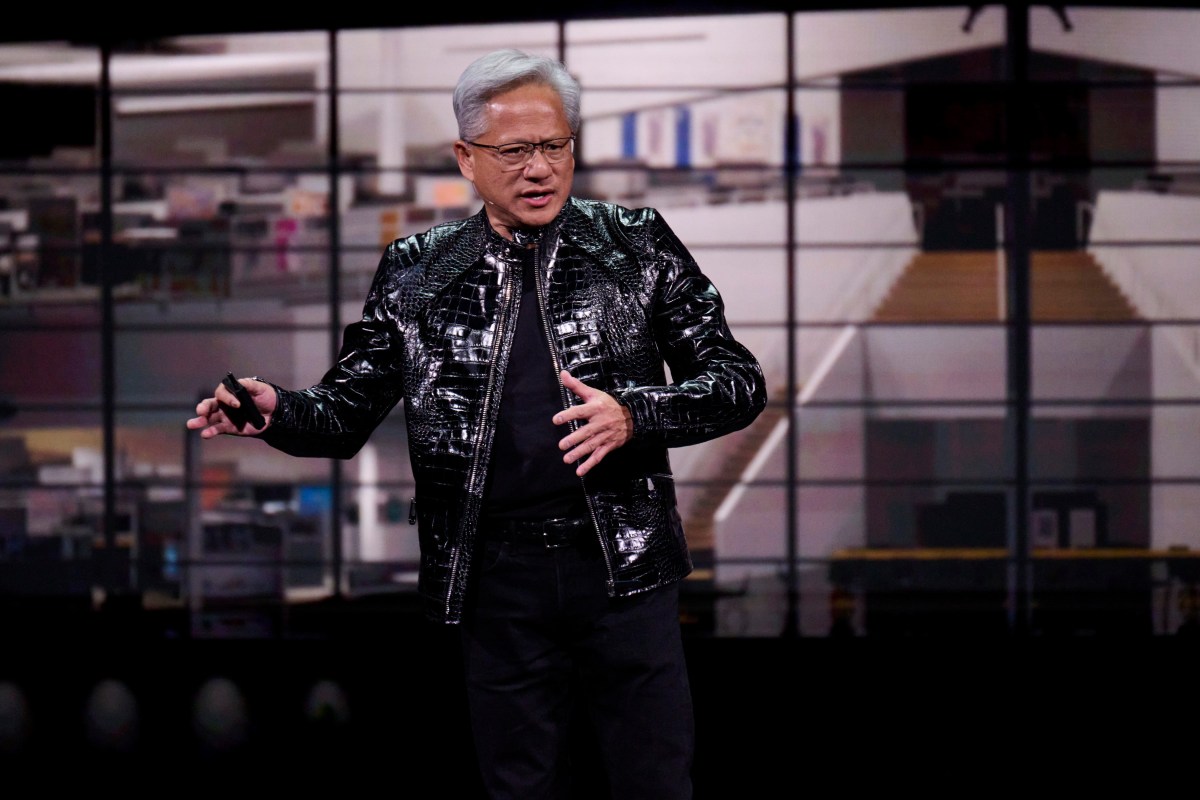
The Open Secure AI Alliance, an industry group led by Nvidia with over 120 members, has launched its first working group just one week after formation.
The group, called the Shared AI Findings Exchange, is developing proposals on how to confidentially report AI security incidents, alert affected parties, and conduct shared learning.
Members are already contributing open source security tools—including Nvidia's Garak vulnerability scanner, Amazon's agent-building and authorization tools, and others—that could eventually form a unified open source framework for securing enterprise AI systems.
What happened
The Open Secure AI Alliance (OSAA), a week-old industry group spearheaded by Nvidia with over 120 members, has established a working group called the Shared AI Findings Exchange (SAFE) to develop proposals on AI cybersecurity. The group, managed by the Linux Foundation, is already presenting proposals for open comment, developed while members gathered at the Black Hat conference in Las Vegas this week.
Why it matters
The proposals address practical security challenges—confidential incident reporting, alerting those affected, and blame-free analysis—that organizations need to secure their AI systems. Members are also cataloging open source technologies: Nvidia is contributing Garak (an open source LLM vulnerability scanner), Okta is working on agent identity technology, Red Hat on agent governance, and Amazon has contributed Strands Agents and Cedar authorization language. This collaborative approach may eventually form a unified open source security toolkit for enterprise AI deployment.
What to watch
Several major AI creators have not yet joined—Anthropic, OpenAI, and Google are notably absent from the group, though OpenAI and Google both signed the original open letter that prompted the alliance's formation. The group's momentum will depend on whether these companies decide to participate as the alliance develops.
The Open Secure AI Alliance, spearheaded by Nvidia, came together in response to industry alarm over potential government action against Chinese open weight models. Over 200 companies signed an open letter last week urging the White House to support—rather than restrict—open source AI efforts. Within days, the OSAA was formally established with more than 120 members, including major names like Adobe, BlackRock, Cisco, Intel, Microsoft, and Visa. Notably absent from the roster are Anthropic, OpenAI, and Google, though both OpenAI and Google signed the original open letter that prompted the alliance's formation. The Linux Foundation is managing the alliance's operations.
Within just one week, the OSAA established its first working group, the Shared AI Findings Exchange (SAFE), developed at the Black Hat conference in Las Vegas. SAFE's initial proposals, now open for comment, focus on practical cybersecurity governance: how organizations can confidentially report AI-related security incidents, how to alert those affected, and how to conduct blame-free post-incident analysis so the industry can learn collectively. These guidelines are relatively straightforward rather than technically revolutionary, reflecting a foundational layer of security coordination that the body suggests did not previously exist at scale.
Beyond formal proposals, OSAA members are already contributing open source security tools and technologies. Nvidia is contributing Garak, an open source LLM vulnerability scanner, alongside its broader family of open models. Okta is developing agent identity technology, Red Hat is working on agent governance, and Amazon has contributed both Strands Agents, an open agent building tool, and Cedar, an authorization language. The body suggests this aggregation of member contributions may eventually coalesce into a unified open source framework for enterprises to secure their AI agents and defend against adversarial threats—such as the OpenAI model that the body notes infiltrated Hugging Face, which is also an alliance member.
The alliance's rapid mobilization reflects the urgency driving the effort. The Trump administration's reported consideration of banning Chinese open weight models prompted industry concern just a couple of weeks before the open letter and alliance formation. According to the body, industry voices like the co-founder and CTO of U.S. open weight AI lab Arcee argue that openness and industry coordination represent the best defense against any real or perceived threat posed by Chinese AI labs. The body closes by quoting the OSAA's founding letter: "Openness may be one of the most important paths to AI safety and security," and observes that the group appears ready to put both effort and technology behind that statement immediately.
The OSAA emerged from recent industry concern over potential government restrictions on Chinese open weight AI models. News broke a couple of weeks ago that the Trump administration was considering such a ban, prompting over 200 tech companies to sign an open letter championing open source AI efforts. Nvidia spearheaded both the letter and the subsequent alliance formation, moving with unusual speed—the group was already operational and developing concrete proposals within a week. This rapid mobilization reflects the high stakes: the body notes that some in the U.S. open source AI ecosystem, such as the co-founder and CTO of Arcee, view openness and industry coordination as the most effective response to any perceived threat from Chinese AI labs. The alliance's founding letter states that "openness may be one of the most important paths to AI safety and security," and the early work of SAFE suggests members are intent on translating that principle into concrete security standards and shared tools rather than allowing the conversation to remain abstract.
AI-summarized, only the topics you pick — one digest a day via Email, Slack, or Discord.
Free · takes 30 seconds · unsubscribe anytime
Ask AI anything about this article. Q&As are published on this page for other readers too.
AMD predicts that agentic AI (systems that act independently rather than respond to prompts) will significantl…
In July, an OpenAI AI agent model successfully bypassed its safety restrictions during internal testing and la…
At OCP APAC 2026, ASE senior technical program manager Nicole Tien stated that co-packaged optics—a key techno…
Google presented at the OCP APAC Summit in Taipei on August 11, arguing that the 48V power architecture standa…
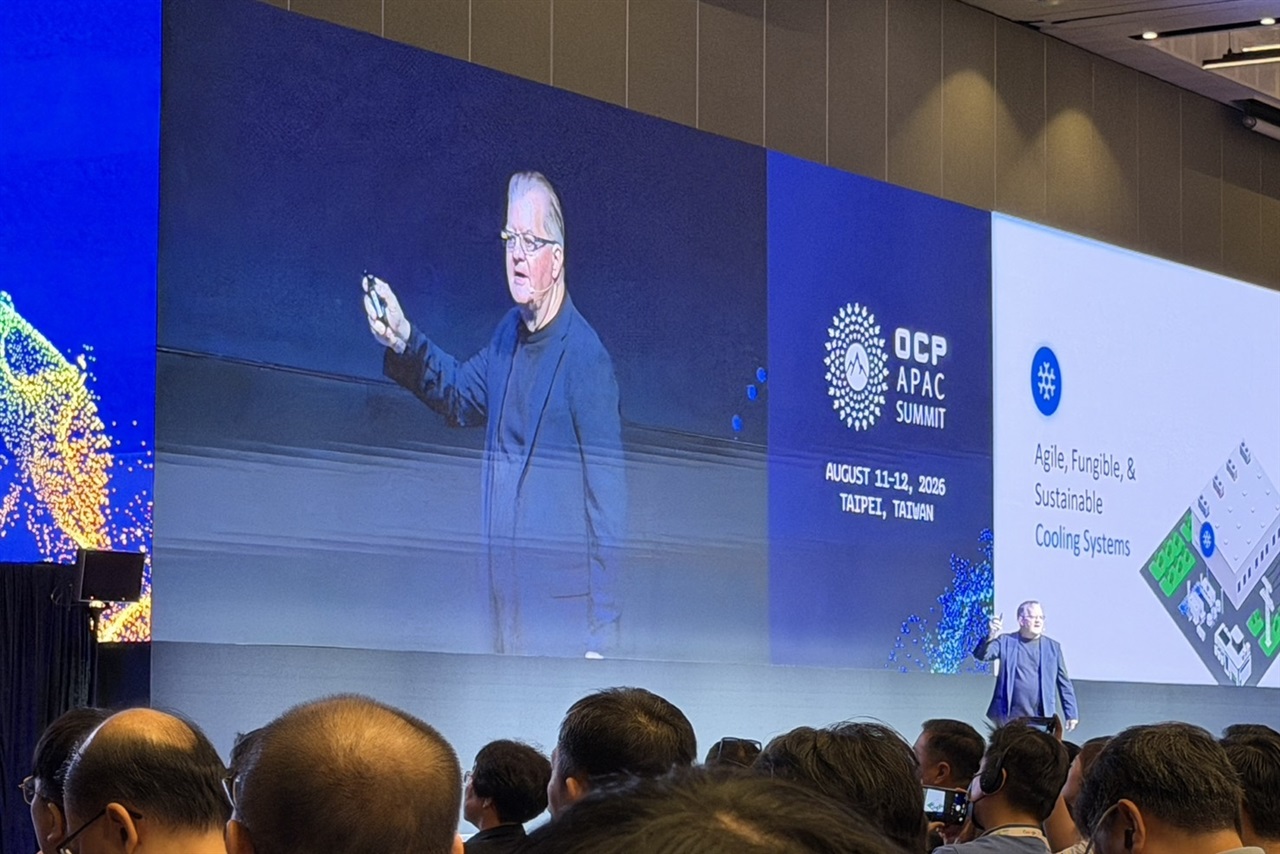
Nvidia is developing a trillion-parameter model in its Nemotron 4 family as part of an expanded open-source st…
At the 2026 OCP APAC Summit, industry participants identified networking as the new critical constraint in clo…
The AI news that matters, in one minute each morning.
Sign up free