What happened
Google released EmbeddingGemma 2, an open model that turns text, images, video, audio, and code into numerical vectors. It scored 78.68 on the Massive Text Embedding Benchmark (Code), up nearly 10 points from 68.76.
Why it matters
At 740 million parameters, Google calls it the most compact model of its kind, and it outperforms rivals up to twice its size on multimodal embedding benchmarks, so capable vector search may fit on far smaller hardware.
What to watch
The performance claim is Google's own, and everyday usefulness hinges on whether offline RAG apps paired with small open models like Gemma 4 work as promised. Weights are on Hugging Face and Kaggle.
WHO IT HITSDevelopers building on-device search, recommendation, or document-scanning features can run EmbeddingGemma 2 locally without an API key, which may cut their reliance on cloud inference for embedding tasks.
Summaries like this, every morning.
EmbeddingGemma 2 is the successor to Google's earlier EmbeddingGemma, and the company is framing the upgrade around gains on multimodal embedding benchmarks. On the Massive Text Embedding Benchmark (Code), the new model scores 78.68, nearly 10 points above the predecessor's 68.76 — a jump Google says puts it on par with much larger models. That framing is central to how Google is positioning the release: not as a bigger model, but as a smaller one that competes above its weight class, outperforming rival models up to twice its size.
The practical pitch rests on where the model runs, not just how it scores. EmbeddingGemma 2 runs locally without an API key, needs about 191 MB of RAM, and answers queries in roughly 20 to 70 milliseconds through WebGPU in the browser. Paired with small open models like Gemma 4, Google says it can power offline RAG apps without sending data to external servers — a setup that may appeal to developers who want retrieval-style search without routing data through the cloud. A 270-million-parameter version is enough for text-only work, and the weights are on Hugging Face and Kaggle.
The main caveat is that the performance comparisons come from Google itself, so independent confirmation may take time. Whether the on-device footprint translates into dependable real-world applications hinges on how such paired offline RAG setups hold up outside benchmark conditions, and on how developers weigh a compact open model against the larger embedding services they may already use.
Pick your industry and the AI tools you use, and get news related to your work every day.
Free · 30 seconds with Google · unsubscribe anytimeWhat is AIToday? →
Ask AI anything about this article. The AI reads this article, earlier AIToday articles, and Wikipedia, and cites its sources. Q&As are published on this page for other readers too.
Warby Parker is launching AI smart glasses starting at $395 on Nov

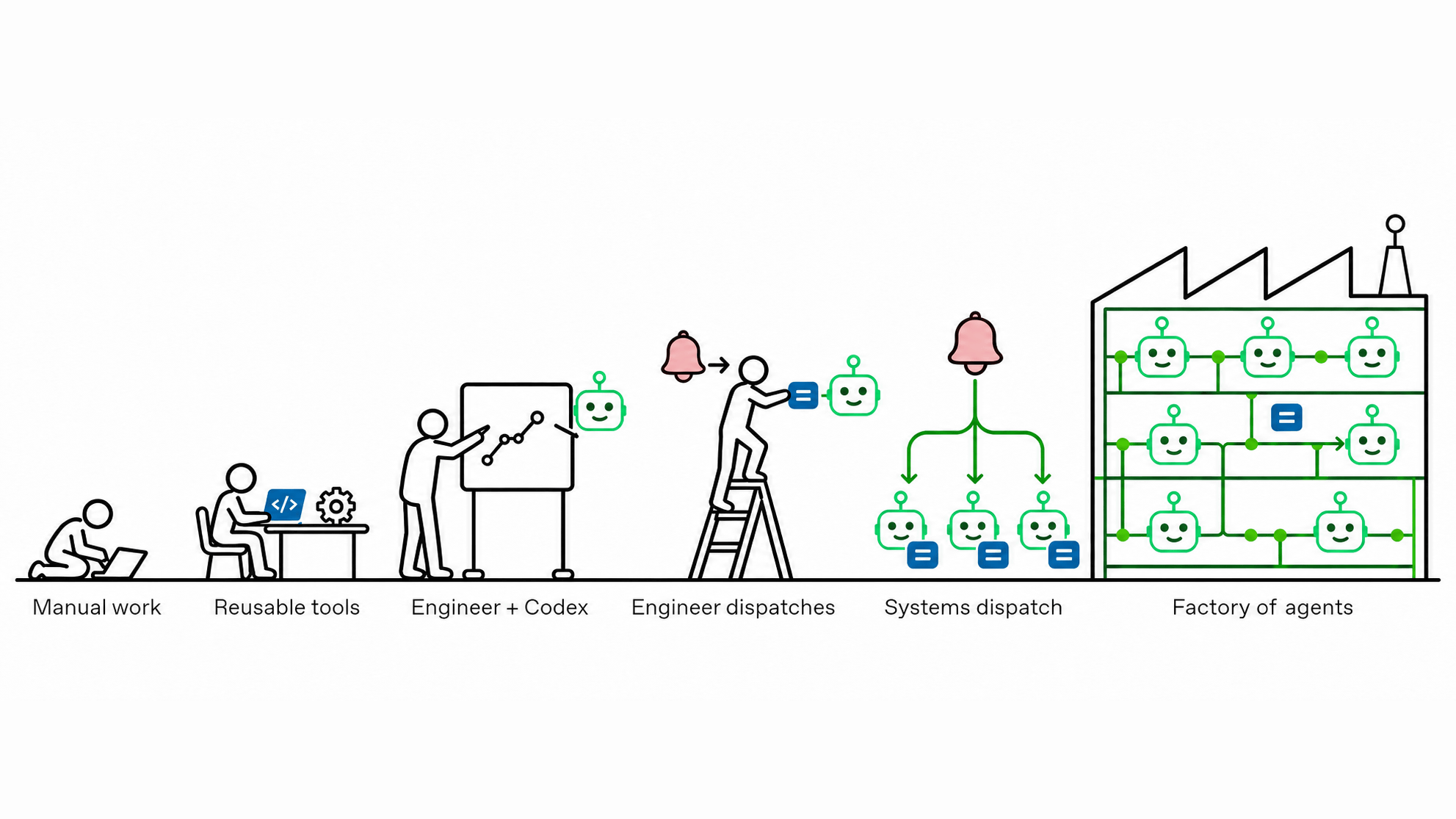
OpenAI's Performance Factory, built on Codex, completed over 1,700 investigations in three months and pinpoint…
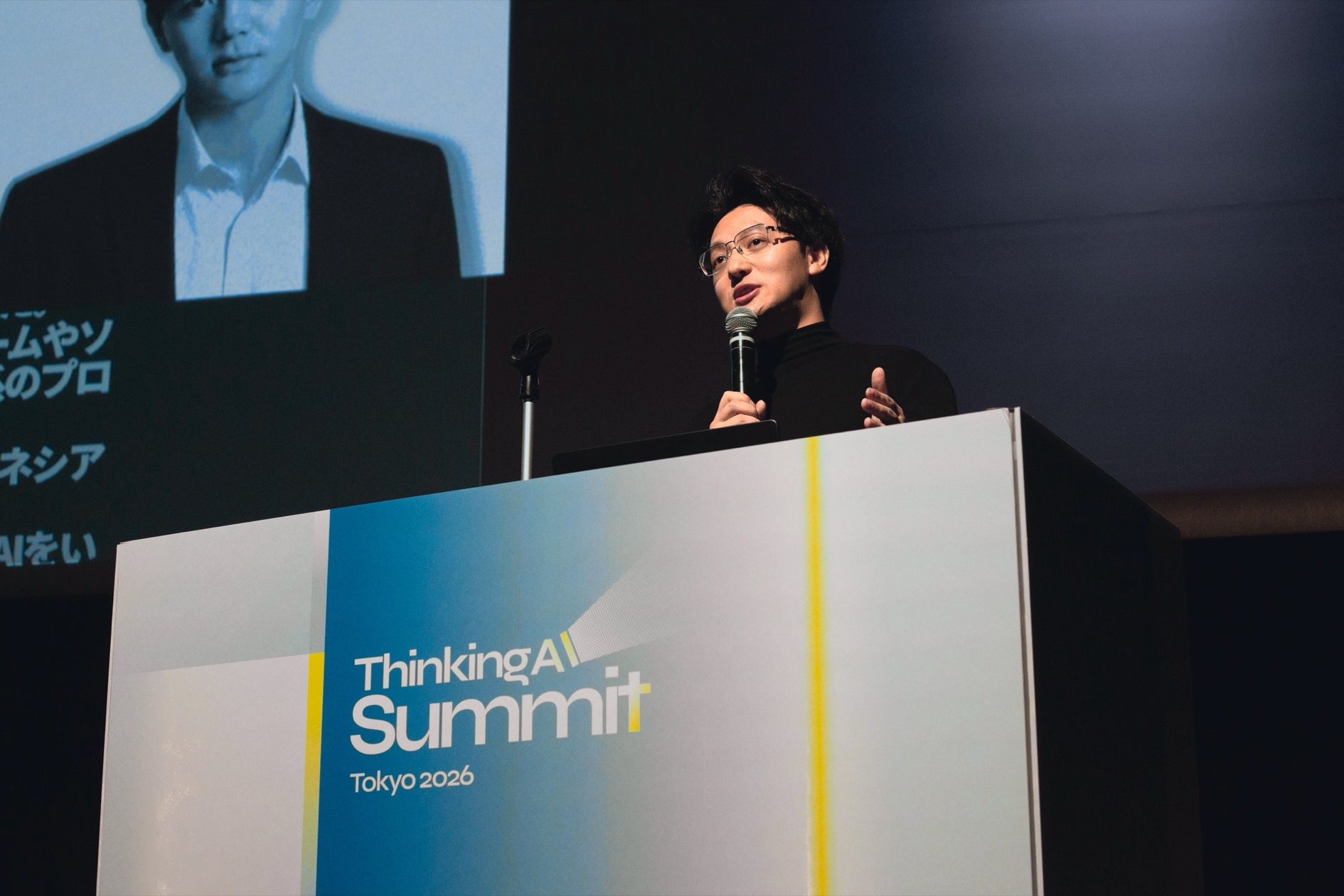
At the ThinkingAI Summit 2026 Tokyo on November 10, 2026, Daniel Wang, co-CEO and vice president of Hong Kong-…
Polimill said on Nov 19, 2026 that QommonsAI, its generative AI for government, now supports domestic inferenc…

AgeAI, led by CEO Gen Mikami, joined the Gotanda Valley Acceleration Program 2026 from its September 17 kickof…

Since late October, users of OpenAI's paid plans have reported Codex and ChatGPT Work burning through usage qu…