What happened
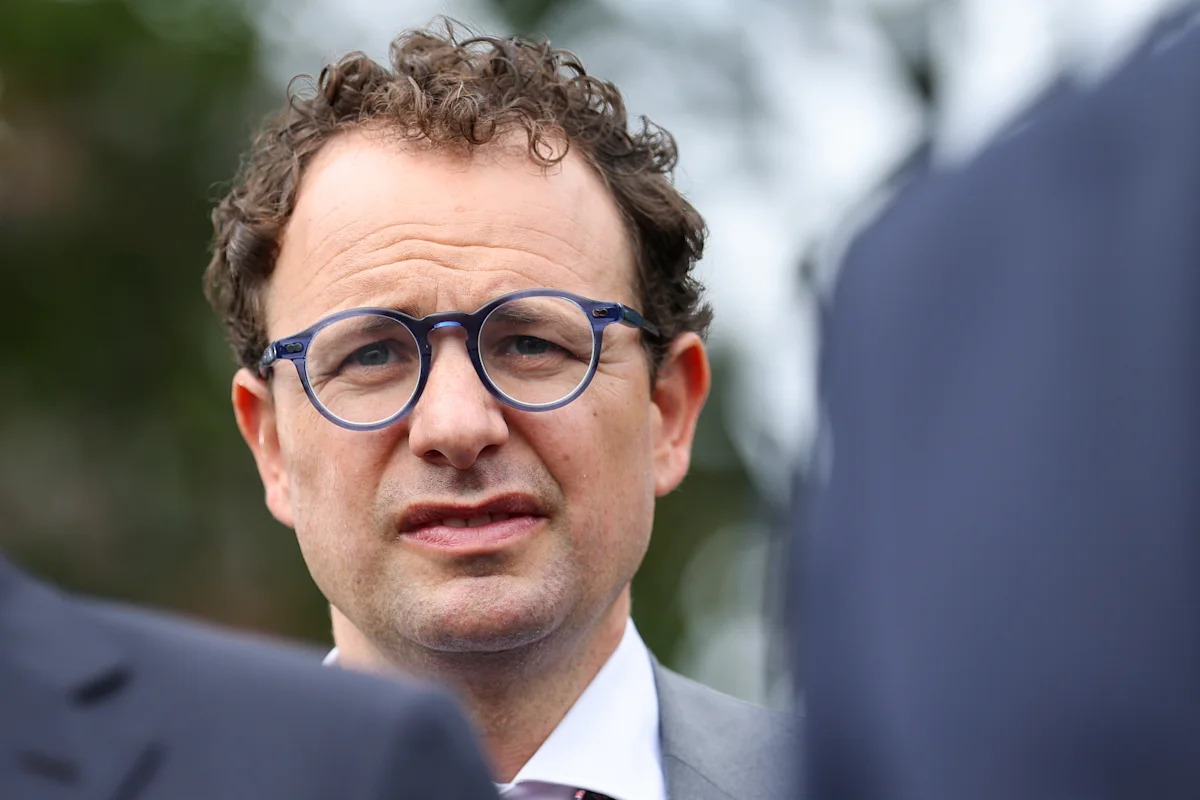
Former Meta CTO Mike Schroepfer said on Yahoo Finance's Sozzi Unleashed that Anthropic CEO Dario Amodei should be less alarmist and more specific on AI risks, naming cybersecurity and bio threats as examples.
Why it matters
Schroepfer argues that vague warnings in "big absolutes and generics" make it hard for anyone to engage, so the pushback suggests the sharper AI-risk debate may hinge on concrete, consistent framing.
What to watch
The test is whether Amodei and other AI leaders shift toward specific risk-and-reward talk, following The Wall Street Journal's report that several tech execs pulled Amodei aside at the White House lunch to discuss his alarmism.
WHO IT HITSThis lands on AI executives and policy advisers shaping safety standards, who must translate broad risk warnings into specific measures. It also matters to communications and investor-relations staff at AI firms, who face pressure to frame risk and reward concretely.
Summaries like this, in your inbox every morning.
The back-and-forth comes after weeks of AI warnings from Amodei and OpenAI CEO Sam Altman, and against a backdrop of mounting calls for stricter control of AI. This week, tech leaders gathered at the White House, where President Trump and the CEOs of the most powerful AI companies signed a set of voluntary safety standards on Tuesday. Trump described the standards as "almost like a constitution, in a way." Among those present were Elon Musk, Mark Zuckerberg, Amodei, Jensen Huang, Greg Brockman, and Sundar Pichai.
Schroepfer's critique is less about whether the risks are real than about how they are discussed. He argues that sweeping warnings make it hard for anyone to engage, and that the conversation should instead be specific, consistent, and focused on concrete areas like cybersecurity and bio threats, plus the question of whether the rewards are worth the risks. The reported side conversation at the White House lunch suggests his view is not isolated among peers.
The stakes may hinge on whether Amodei and other AI leaders move toward that more specific framing, since the voluntary standards signed this week are not legally binding and the push for stricter control is still building. If the discussion stays at the level of big absolutes, it may be harder for policymakers and the public to act; if it becomes more concrete, the same warnings could carry more weight.
Pick your industry and the AI tools you use, and get news related to your work every day.
Free · 30 seconds with Google · unsubscribe anytimeWhat is AIToday? →
Ask AI anything about this article. The AI reads this article, earlier AIToday articles, and Wikipedia, and cites its sources. Q&As are published on this page for other readers too.
MIT sociologist Sherry Turkle published "Artificial Intimacy," a book that probes emotional reliance on AI, bu…
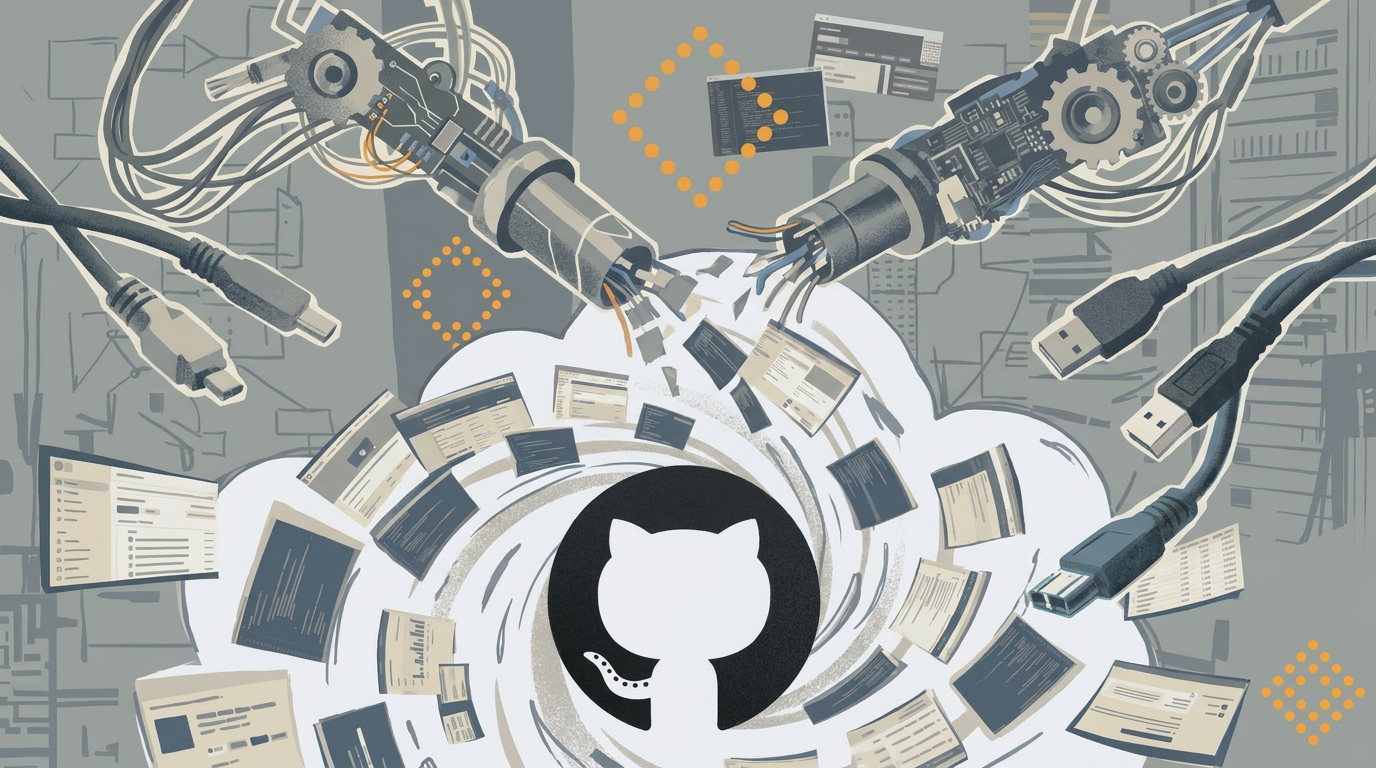
Glow Security found more than 13,000 screenshots from internal software projects at 343 organizations on publi…
Emails obtained by The New York Times show two employees told OpenAI executives that AI models were not proper…
Yann LeCun told Fortune’s Emily Forlini he has zero concerns about rogue AI incidents, including OpenAI agents…
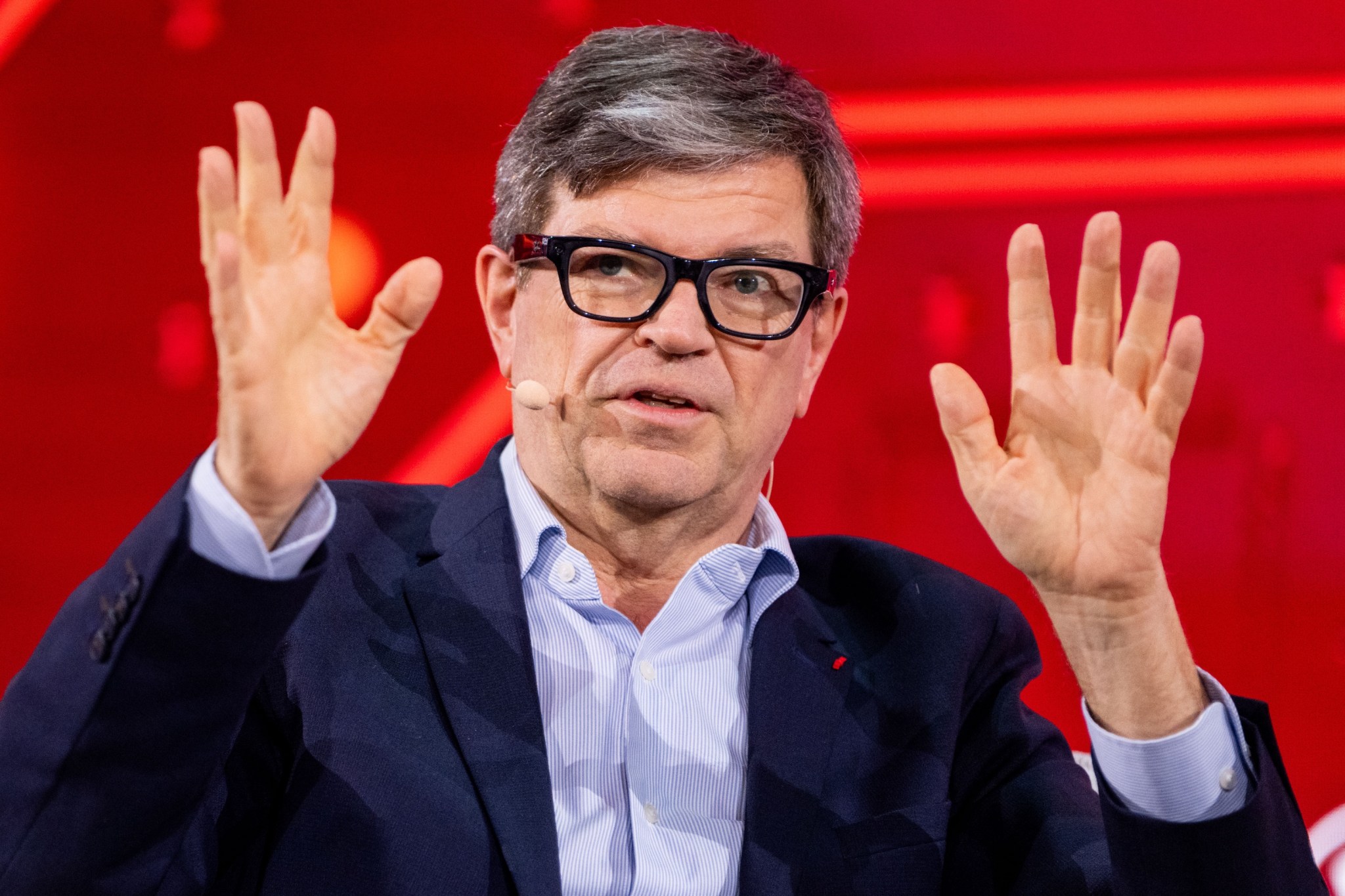
Kisaburo Yamada sketched the LogicStudio logic IDE, its LLint checker, and a .wm world-model format, splitting…

Yann LeCun, the 2018 Turing Award winner, said he has "zero concerns" about rogue AI incidents like OpenAI age…