
The robotics industry has struggled with the 'sim-to-real gap': robots trained in visually convincing simulation environments fail when deployed in the real world because most simulation assets are built for visual rendering, not physical accuracy.
Physical AI embeds real physical properties—weight, friction, inertia, material deformation, surface dynamics, force response—directly into 3D assets and simulation environments, allowing robots to learn how different materials actually behave (e.g., glass vs. rubber, wet vs. dry surfaces) without additional real-world training.
Robotic systems trained on physically grounded simulation data show faster deployment timelines, lower failure rates in novel environments, and significantly reduced need for real-world fine-tuning compared to those trained on visually accurate but physically inaccurate assets.
Summaries like this, in your inbox every morning.
Pick your industry and the AI tools you use, and get news related to your work every day.
Free · 30 seconds with Google · unsubscribe anytimeWhat is AIToday? →
Ask AI anything about this article. The AI reads this article, earlier AIToday articles, and Wikipedia, and cites its sources. Q&As are published on this page for other readers too.
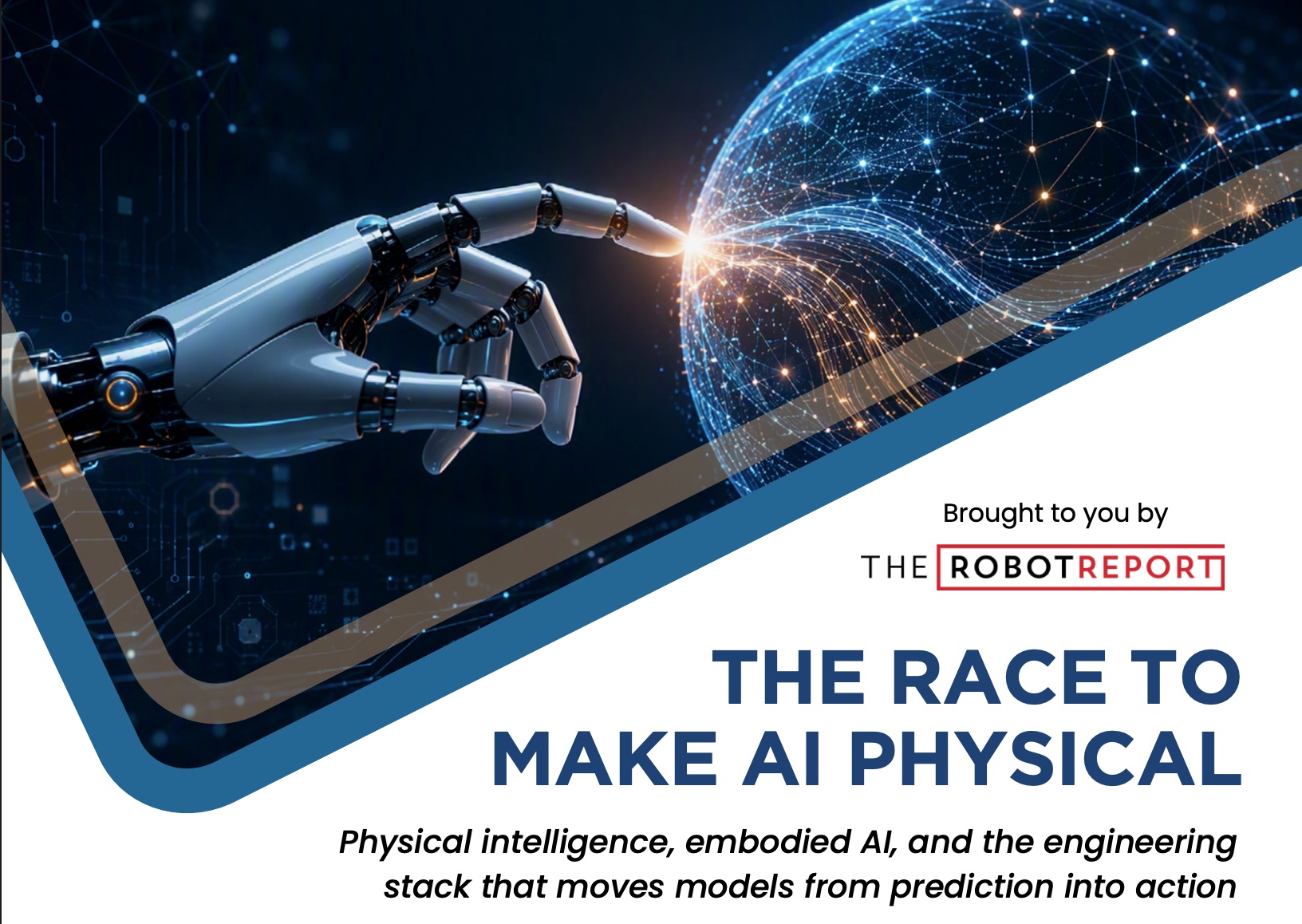
Analog Devices Inc. released a whitepaper on the race to physical AI, arguing that success requires advances a…
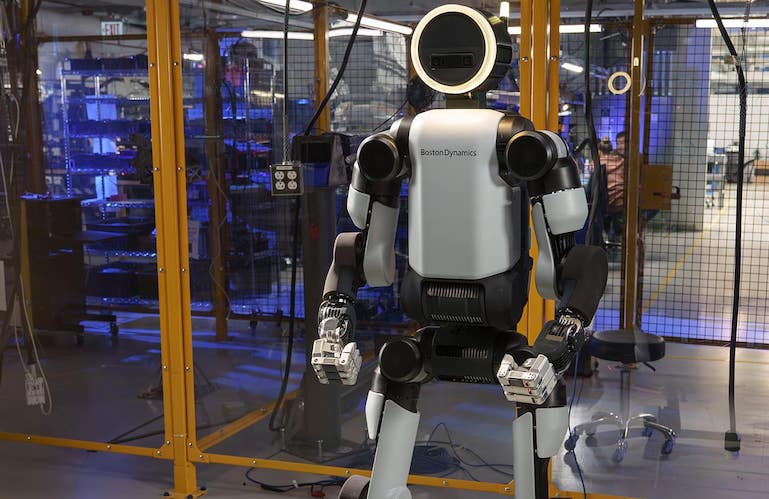
Boston Dynamics' Atlas, now all-electric and running on NVIDIA chips, autonomously sorts roof racks at Hyundai…
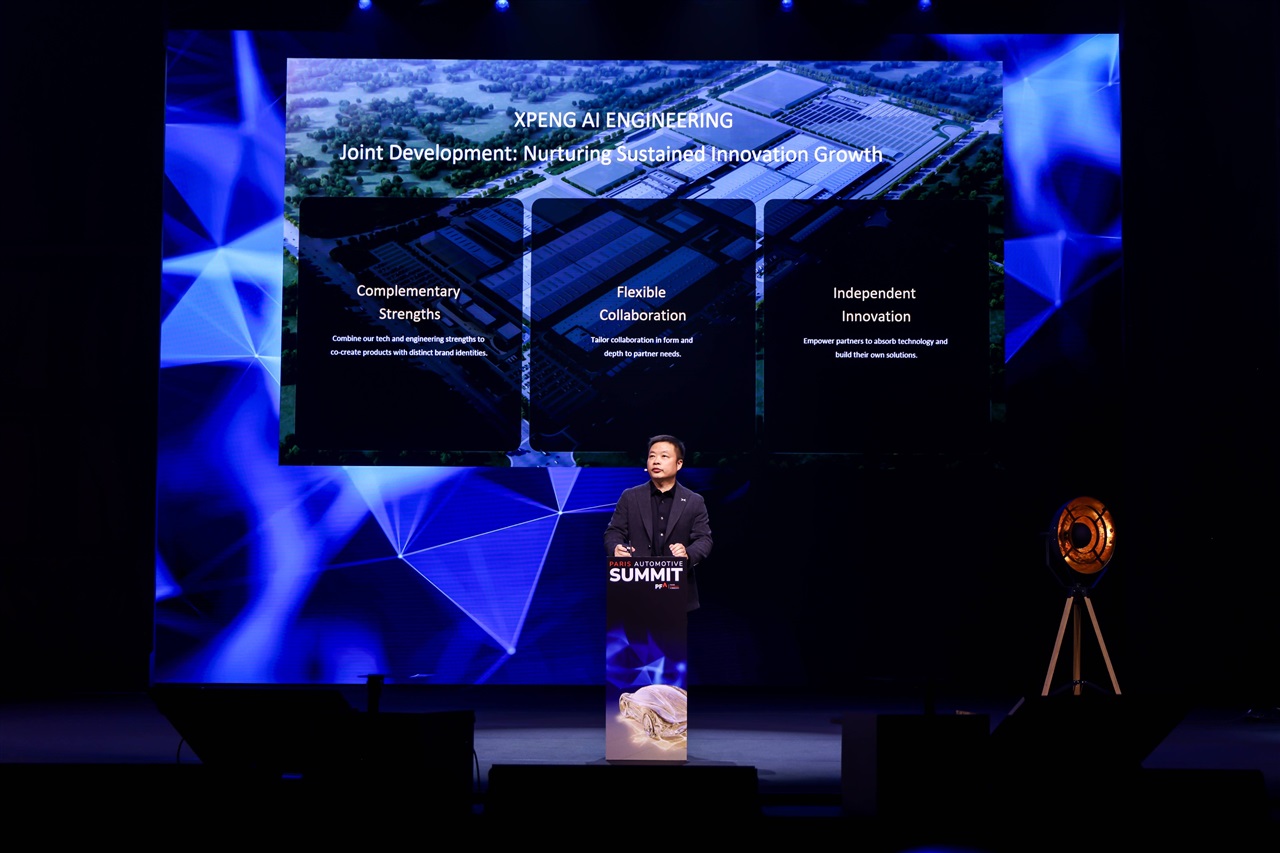
XPeng appeared at the Paris Automotive Summit, presenting not only automotive expertise but a broader technolo…
AIBotics completed its acquisition of NovaCore Labs' operating assets from PlayJamaica Limited, gaining 10 ser…

In an internal test, Google DeepMind robotics researchers instructed Gemini 4 Argon to watch a video of a huma…
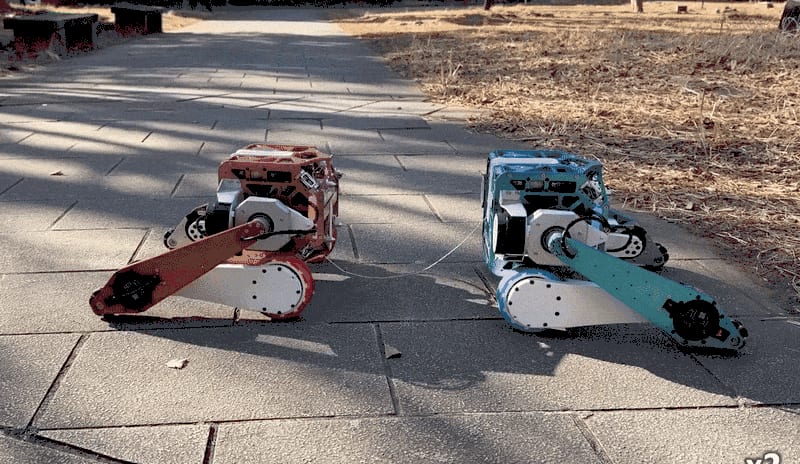
Amulya Vishwanath, who spent seven years leading product marketing for Nvidia's robotics platforms, says robot…