
What happened
ServiceNow raised its 2026 subscription revenue midpoint, citing strong demand for its workflow platform, AI-focused partnerships, cross-selling success, and an expanded ecosystem.
Why it matters
The raise reinforces the near-term catalyst of AI-led platform adoption, though execution risk remains in a crowded, fast-changing AI software market.
What to watch
The extended Accenture collaboration puts hundreds of pre-built AI agent skills and governance tools into customers' hands, but the test is whether those agents translate into durable, high-value usage.
WHO IT HITSEnterprise software buyers evaluating workflow platforms will see ServiceNow strengthen its AI governance and automation pitch through partners like Microsoft and Accenture, while rivals Salesforce and Atlassian face a more assertive competitor.
Summaries like this, in your inbox every morning.
ServiceNow's latest move builds on a narrative that its AI-powered workflow platform can stay central to how large organizations run IT, customer, and employee operations. The company has been leaning into AI-focused partnerships with Microsoft and Accenture, and the extended Accenture collaboration stands out for putting hundreds of pre-built AI agent skills and governance tools directly into customers' hands. That partner-led scaling is where ServiceNow's AI story becomes tangible, and it also raises the bar on execution risk if those agents and workflows do not translate into durable, high-value usage. Management's decision to raise the 2026 subscription revenue midpoint reflects confidence in this momentum, though the company operates in a crowded, fast-changing AI software market where competition and pricing models continue to evolve.
Beneath the AI excitement, investors should note that hybrid AI pricing and rising costs could pressure margins. The body flags this as a risk if agent monetization slows, and some lower-ranked analysts take a cautious view, expecting revenue of about US$24.4 billion and earnings near US$2.4 billion by 2029, well below the narrative's $23.6 billion revenue and $4.0 billion earnings by 2029. The recent macro-driven stock bounce itself is not especially material to this investment narrative, which hinges more on whether AI partnerships convert into recurring, high-value usage. For enterprise software buyers and investors alike, the key question is whether ServiceNow's ecosystem expansion can sustain its premium positioning against rivals like Salesforce and Atlassian, or whether pricing pressure and execution challenges will weigh on growth.
For example, today's edition would include:
AI-summarized, only the topics you pick — one digest a day via Email, LINE, or Slack.
Free · 30 seconds with Google · unsubscribe anytimeWhat is AIToday? →
Ask AI anything about this article. Q&As are published on this page for other readers too.
Rosenblatt initiated coverage of Sandisk with a Buy rating and a $2,400 price target

Visa's Sara Craven told PYMNTS that just 11% of small- to medium-sized businesses qualify as agent-ready, vers…

SanDisk now sells much of its output through multiyear New Business Models contracts with eight Datacenter and…
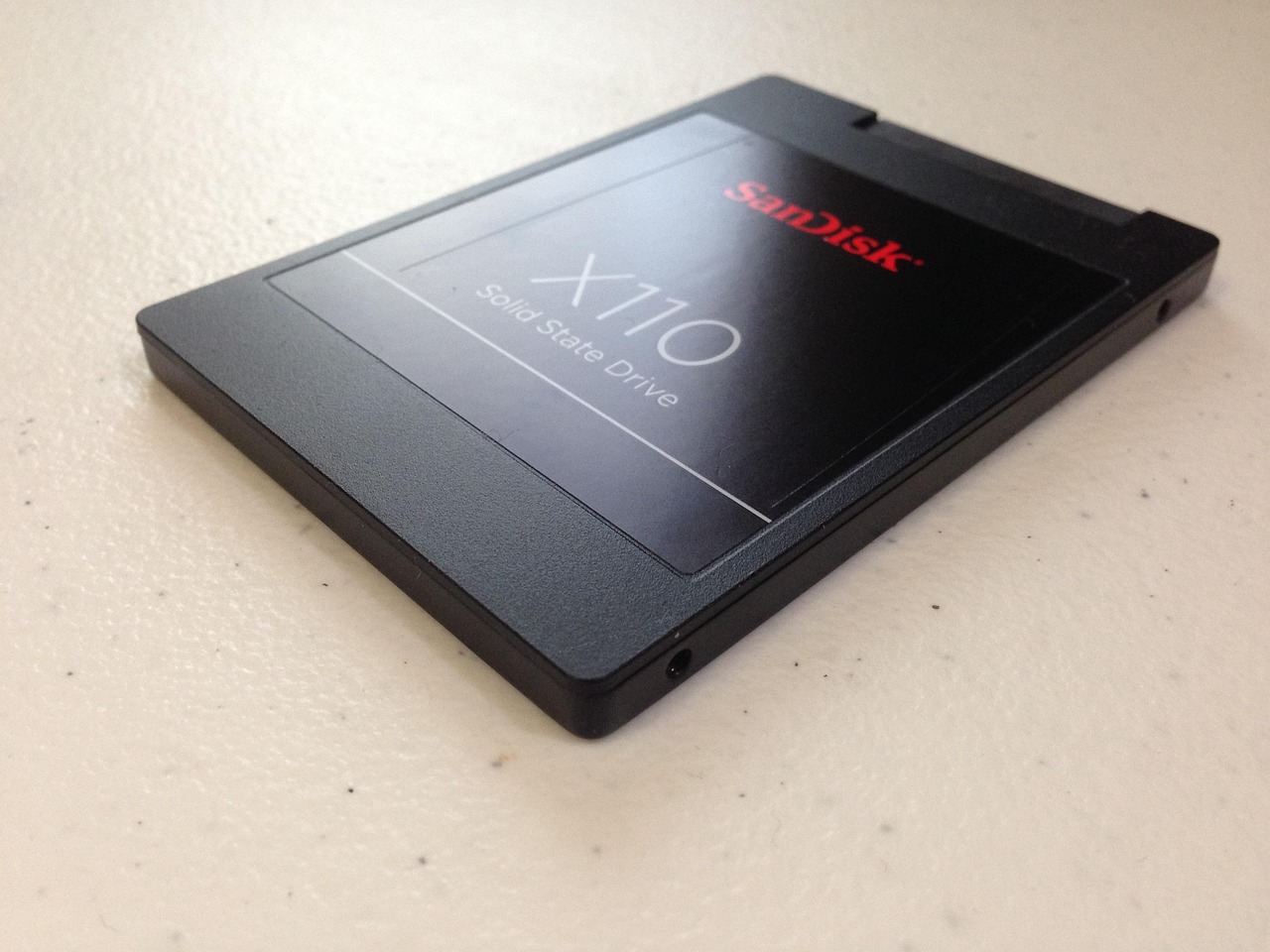
Applied Materials trades near US$444.57 at about 38.1x earnings, below the semiconductor sector average of rou…

AMD is promoting "From Sensor to Insight: Production-Ready Single-Chip Edge AI

JPMorgan Chase CEO Jamie Dimon told CNBC-TV18 that hyperscaler AI spending has more than doubled from about $3…