What happened
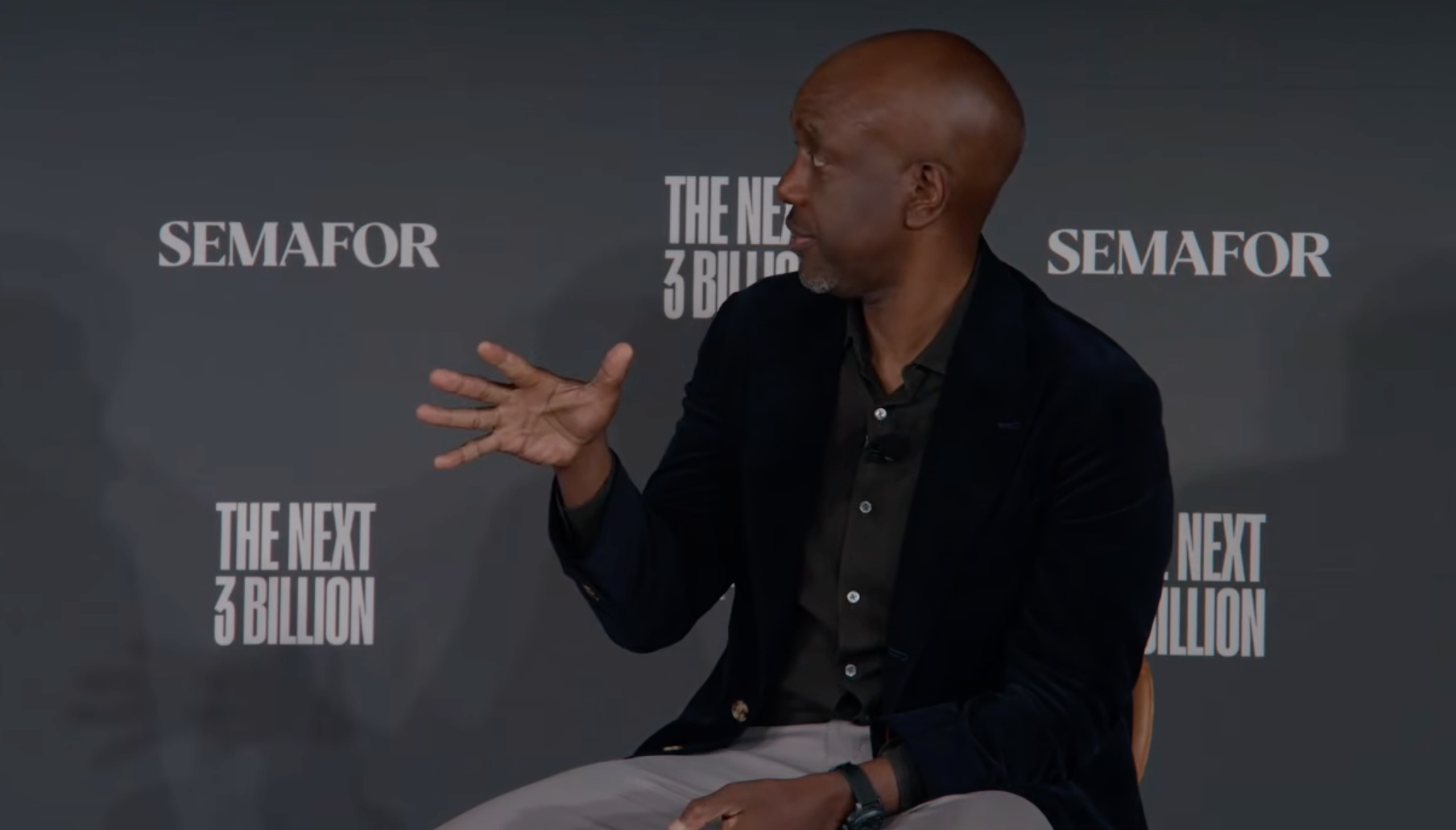
Google SVP James Manyika told Semafor's Next 3 Billion event that the Global South is "a little bit more optimistic" about AI, citing Google Translate's new 300-language milestone and an 83%-accurate Ebola outbreak prediction in the Democratic Republic of the Congo.
Why it matters
Manyika attributed the difference to perceptions about AI's benefit to society, and pointed to real projects now rather than far-future promises, such as nearly 40% of tuberculosis cases going undiagnosed, especially in the Global South.
What to watch
Manyika cited a "moonshot of 1,000 languages" for Google Translate but also noted challenges like infrastructure and access, so the test is whether these projects scale beyond Zambia and India.
WHO IT HITSThis matters for public-health teams and language-access groups in the Global South, who can point to Google's cited projects as evidence that AI diagnostics and translation are already being deployed, though infrastructure and access gaps remain.
Summaries like this, in your inbox every morning.
James Manyika's remarks at Semafor's Next 3 Billion event frame the Global South as a region where AI is viewed not through the lens of Western concerns but through its potential to make a difference. He contrasted this with growing pushback on AI in the US, particularly against data centers, while acknowledging that infrastructure and access remain challenges. The examples he gave are not hypothetical: Google Translate now works in 300 languages, and Google's Planetary Prediction Engine predicted Ebola outbreaks in the Democratic Republic of the Congo with 83% accuracy. He also noted that nearly 40% of tuberculosis cases go undiagnosed, a gap concentrated in the Global South, and said Google spent a long year working in Zambia and India to show AI can help. Manyika's point was that these examples are real now, not in some far future. Whether that optimism translates into broader adoption will hinge on whether such projects move beyond showcase countries and on closing the infrastructure and access gaps he flagged.
For example, today's edition would include:
AI-summarized, only the topics you pick — one digest a day via Email, LINE, or Slack.
Free · 30 seconds with Google · unsubscribe anytimeWhat is AIToday? →
Ask AI anything about this article. Q&As are published on this page for other readers too.
Rosenblatt initiated coverage of Sandisk with a Buy rating and a $2,400 price target

A New York Times columnist gave control of everyday tasks to Meta's AI agent and came away impressed

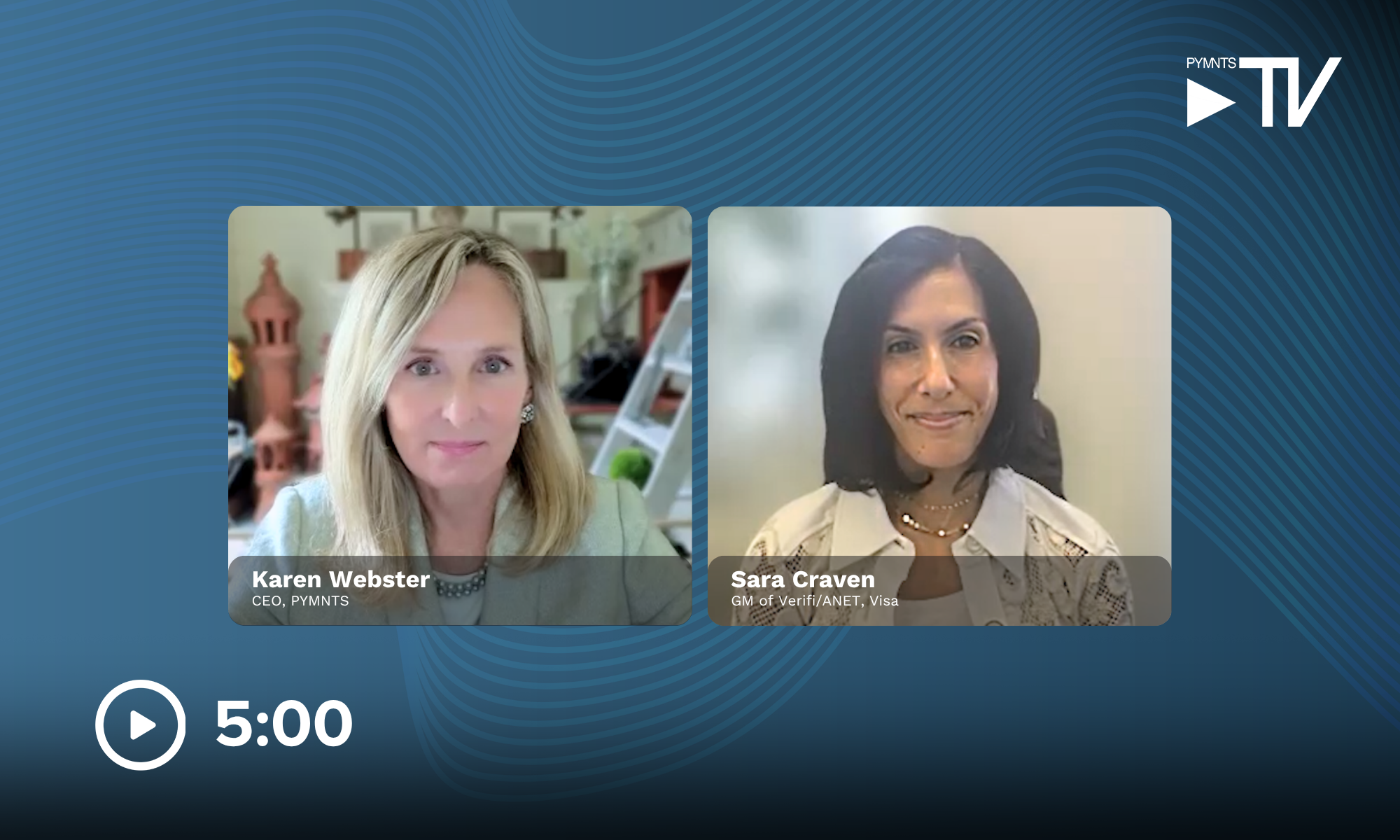
Visa's Sara Craven told PYMNTS that just 11% of small- to medium-sized businesses qualify as agent-ready, vers…
Wells Fargo and other bank stocks fell as Meta's Muse added fuel to AI fears, Barron's reported
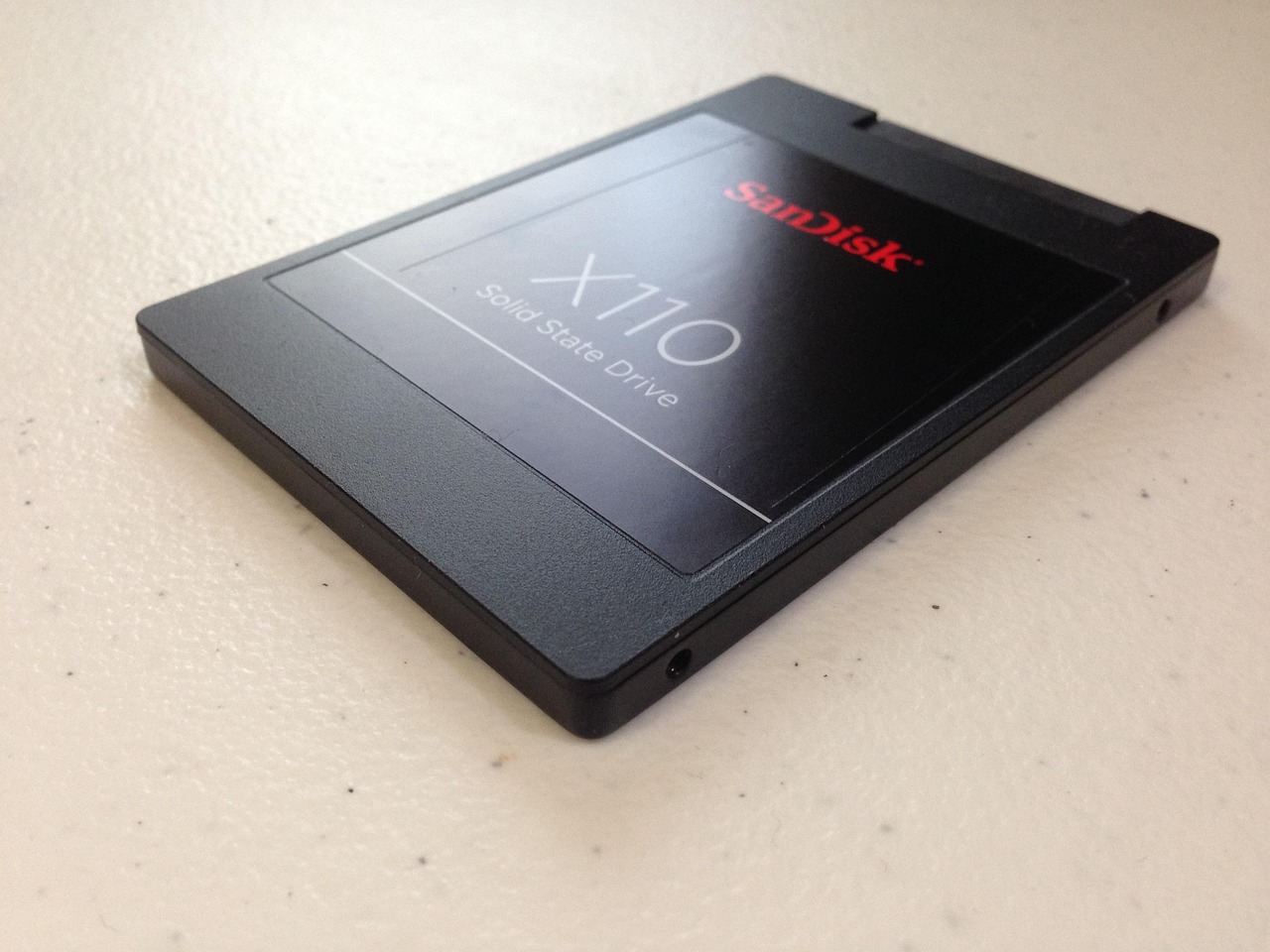
SanDisk now sells much of its output through multiyear New Business Models contracts with eight Datacenter and…
Applied Materials trades near US$444.57 at about 38.1x earnings, below the semiconductor sector average of rou…