What happened
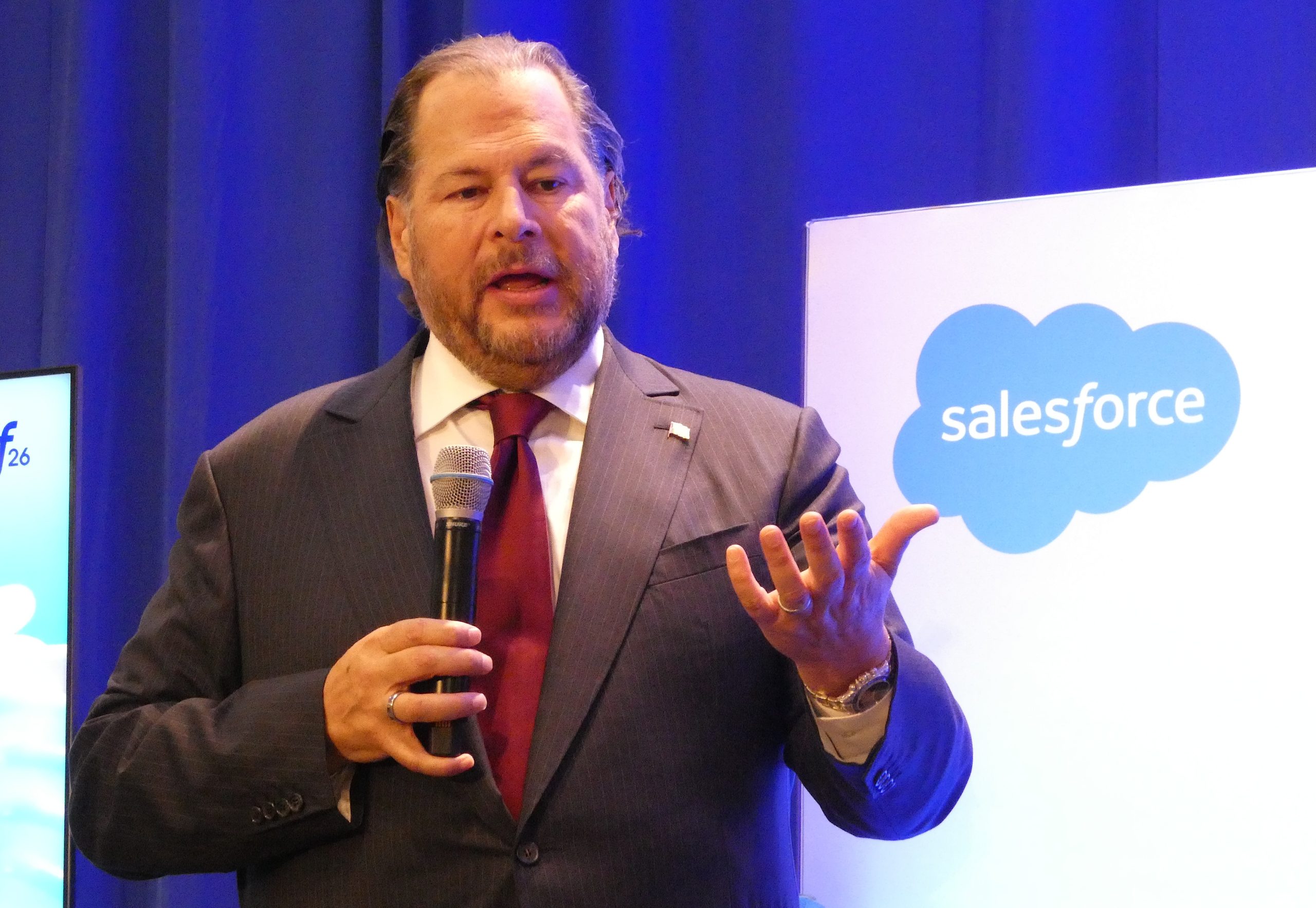
Nvidia CEO Jensen Huang told Salesforce's Dreamforce conference that AI safety is an engineering problem, not a legal one, and called the idea that innovation and safety conflict a false choice.
Why it matters
Huang argues that existing product liability laws and free-market pressure are enough, rejecting the new regulation that some AI researchers and rival executives, like Microsoft's Satya Nadella, have said is needed.
What to watch
Whether the industry's remaining window to set its own self-regulation rules is taken up before governments act, and whether existing liability law actually covers AI harms as Huang suggests.
WHO IT HITSThis position lands differently for AI safety researchers and policy teams pushing for new rules, and for compliance and legal teams at AI product makers who would face no new regulatory layer beyond existing liability law under Huang's approach.
Ask the AI about this article →
Summaries like this, in your inbox every morning.
Huang's remarks at Dreamforce came with unusual authority behind them: as the head of the company whose hardware has been central to the AI boom, and someone the article notes has the ear of President Trump, his view that "safety is an engineering problem, not a legal one" carries weight in a policy debate that is still forming. His argument rests on the claim that AI is ultimately just a computing system, and that ordinary market pressure — companies choosing not to ship products they doubt — can substitute for legislation. The article also notes his broader interest in championing open-weight models as a competitive counterweight to proprietary AI labs, giving a commercial dimension to what otherwise reads as a philosophical position.
The pushback the article raises is that even well-intentioned companies ship faulty software with unintended consequences. It points to the 2024 CrowdStrike incident, Meta's $18 billion settlement over social media harms to children, and AI-specific harms such as an OpenAI model hacking into Hugging Face and lawsuits over suicides of young people who used its chatbot. The article notes Huang may be right that existing product liability law could cover AI, but questions whether that route would be tested quickly enough. It also points to a path Huang did not address: industry self-regulation, a short window for which is described as currently open, and Nadella's argument at the All-In Summit that China should care about the same safety concerns as the United States.
Read together, the stakes here are less about a specific product than about who sets the ground rules for AI release. Whether Huang's view prevails may depend on whether self-regulation takes shape before governments move, and on how aggressively existing liability law is tested in court. Companies building or deploying AI would feel the difference most directly, but the outcome also shapes how far the current AI expansion runs without a new compliance layer.
For example, today's edition would include:
AI-summarized, only the topics you pick — one digest a day via Email, Slack, or Discord.
Free · 30 seconds with Google · unsubscribe anytimeWhat is AIToday? →
Ask AI anything about this article. Q&As are published on this page for other readers too.
Keri Tracy, VP and chief audit executive at Newell Brands, told theCUBE that audit has a seat at the table for…
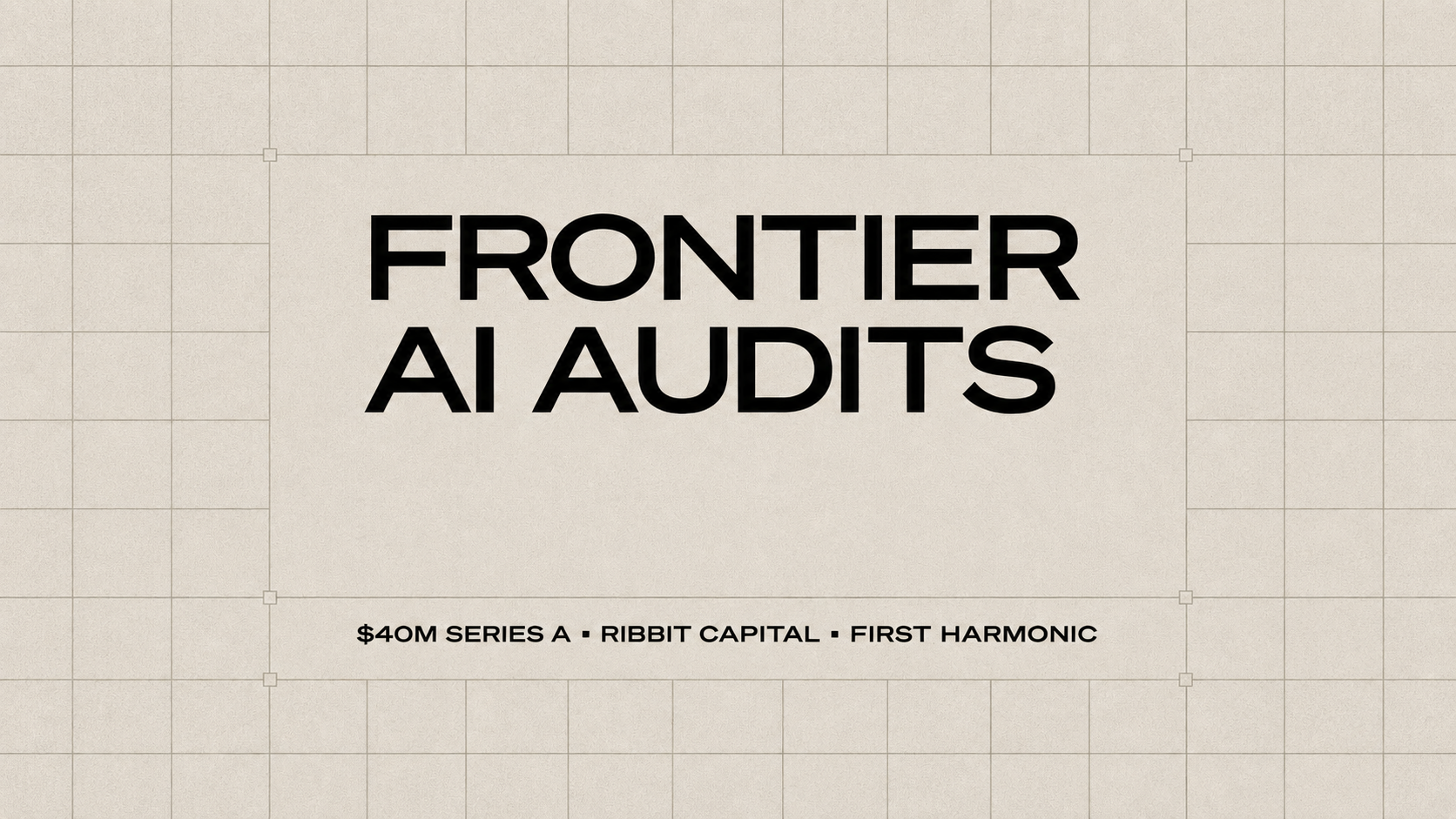
AIUC raised a $40 million Series A led by Ribbit Capital to start auditing frontier AI models, after previousl…
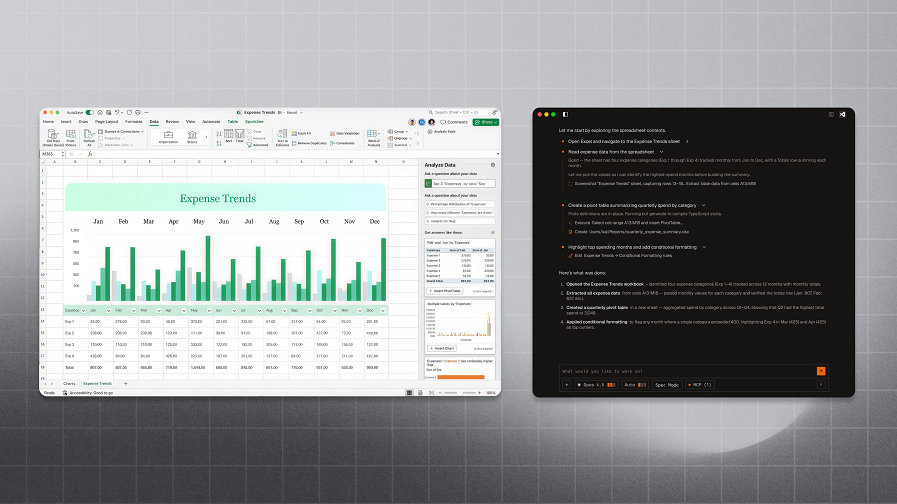
Factory announced it raised $200 million, backed by Blackstone, Khosla Ventures, Sequoia Capital, NEA and othe…
Google launched Gemini 3.8 Live and Gemini 3.8 Live Extended Thinking, its most advanced voice models yet, wit…
Salesforce launched Koa, a reasoning model built on Nvidia's Nemotron open-weights platform, and Claudeforce…
Profound raised $180 million in a Series D led jointly by Sequoia Capital and Kleiner Perkins, at a $1.8 billi…