What happened
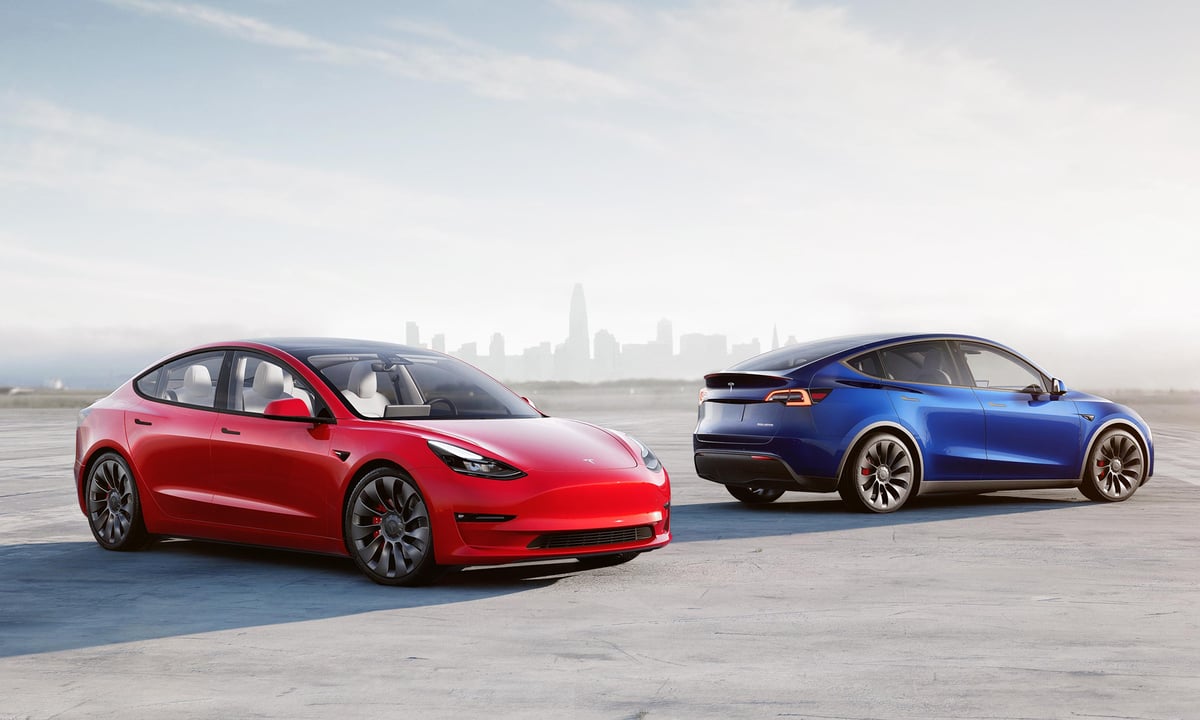
Tesla raised its full-year capital spending estimate to $25 billion(約4兆円) from $20 billion(約3.2兆円). The company is investing in a lithium refinery, LFP battery factory, Cybercab production facility, Tesla Semi production, a Megafactory for battery storage, and converting retired Model S and Model X lines to produce Optimus robots. Tesla is also part of the Terafab joint venture with SpaceX to build a semiconductor facility.
Why it matters
Tesla is embedding AI into physical products—Cybercab (its robotaxi) and Optimus (its humanoid robot)—rather than just selling cars. Both rely on full self-driving (FSD) software and vision-based AI. The company's future revenue will likely shift from EVs to recurring income from robotaxi ride-share and robot-as-a-service, which Wall Street analysts see as almost 13% of revenue by 2028. What Tesla builds this year determines whether it can scale these new businesses.
What to watch
Tesla plans to release FSD v15, which incorporates large-model AI architecture, sometime in late 2026 or early 2027. CEO Elon Musk stated this version is necessary before moving to large-scale unsupervised FSD. This milestone will signal whether the company can move from development to broad deployment of its robotaxi service.
Ask the AI about this article →
For example, today's edition would include:
AI-summarized, only the topics you pick — one digest a day via Email, Slack, or Discord.
Free · takes 30 seconds · unsubscribe anytimeWhat is AIToday? →
Ask AI anything about this article. Q&As are published on this page for other readers too.
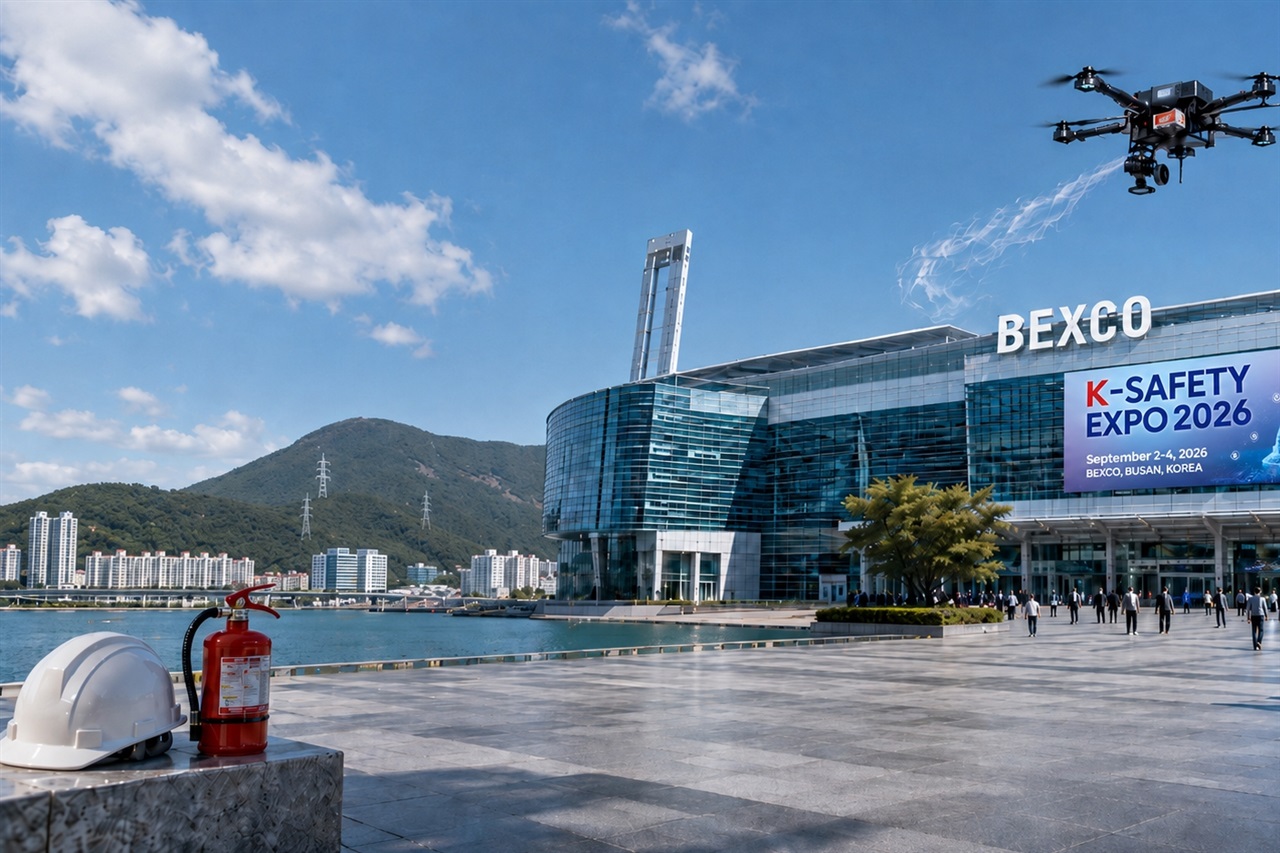
K-Safety Expo 2026 will be held at BEXCO in Busan from September 2–4, featuring AI, robots, sensors, and conne…
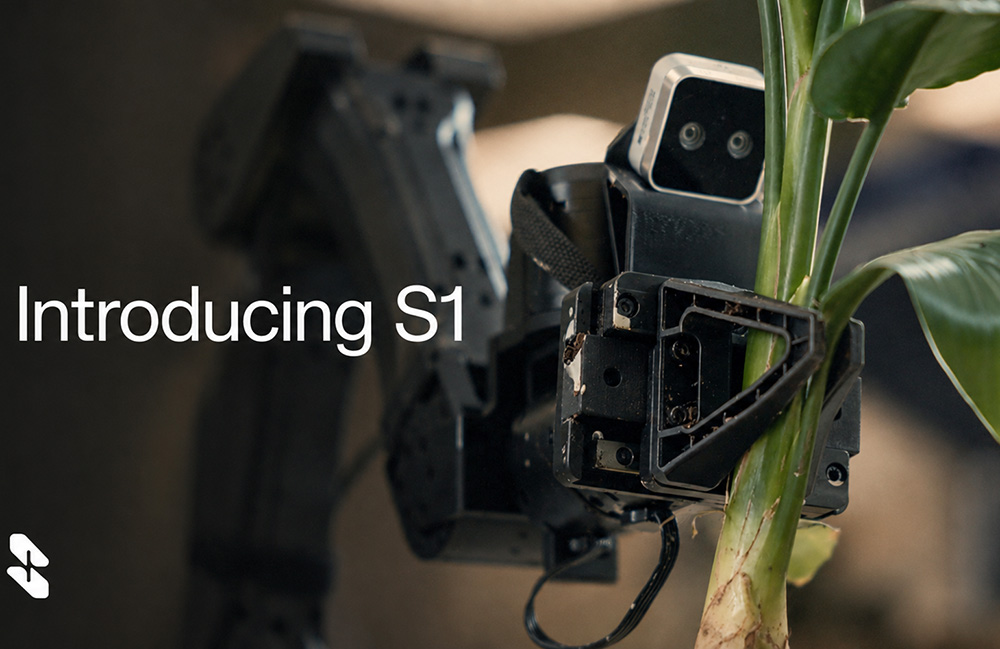
Skild AI has introduced S1, its flagship robot foundation model, which lets robots learn new, complex tasks by…
BHP, the world's largest mining company by market capitalization, has deployed AI across its operations
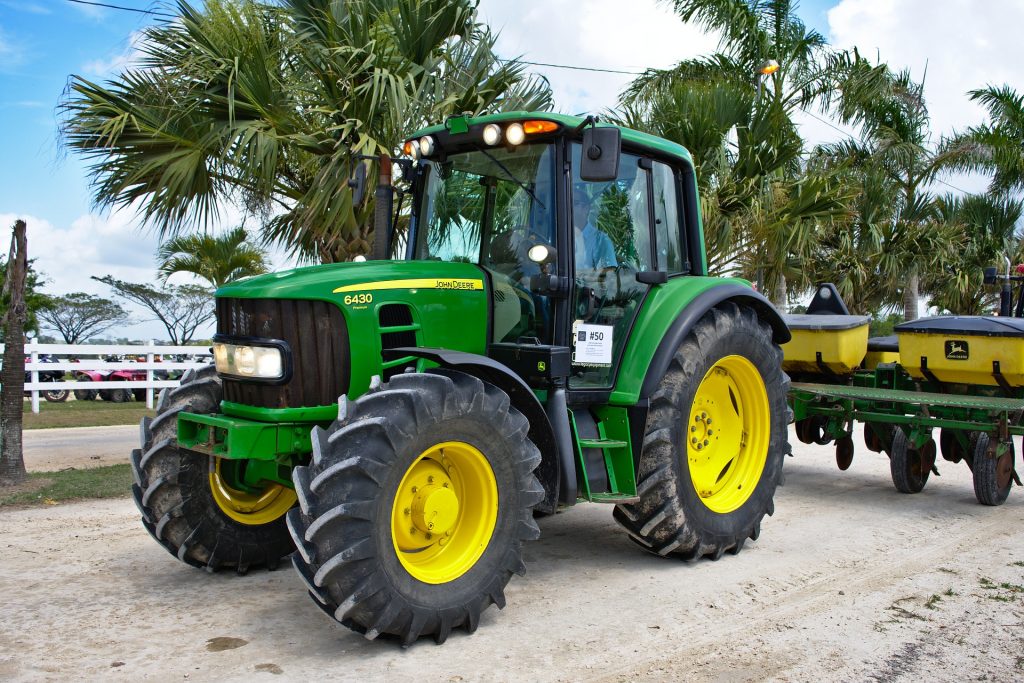
John Deere announced a three-year, $10 million research and development partnership with ag-tech company Reser…
On July 16, 2026, NVIDIA announced that 22 Japanese companies and organizations have expressed intent to join…
Panasonic HD has established a new AI and robotics research and development division, and CAIO Sakaba is leadi…