What happened
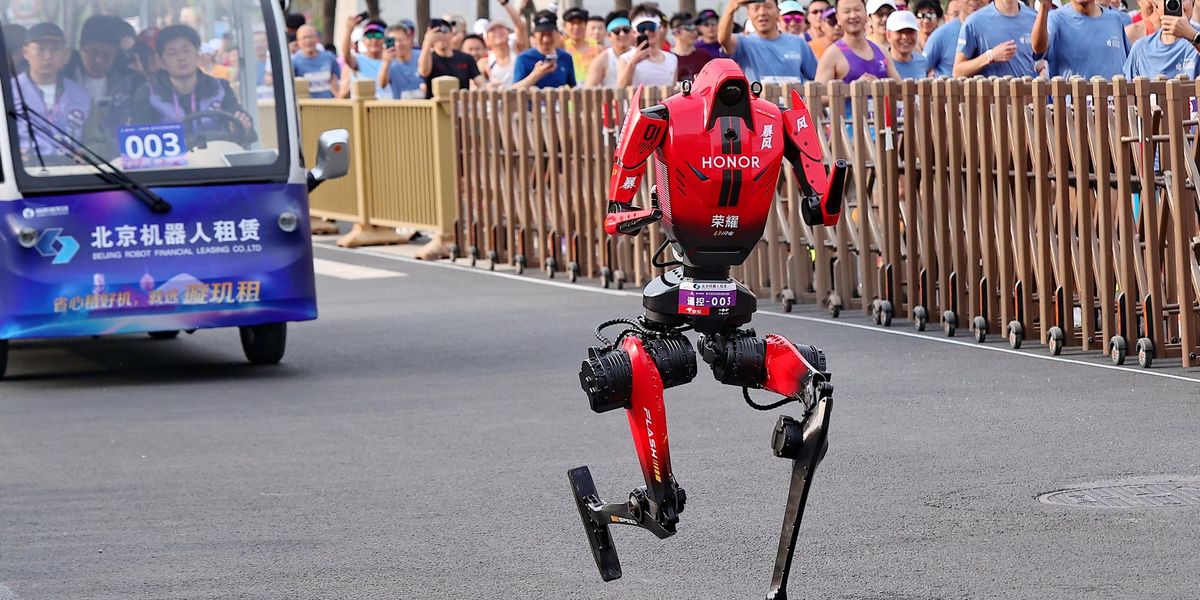
On April 19, 2026, Honor's Lightning humanoid robot ran a half-marathon in 50 minutes and 26 seconds. The robot succeeded by using liquid-cooling pipes that penetrate deep into its motors with a heat-exchange flow rate of more than 4 liters per minute, each of the four drive motors in the lower limbs equipped with an independent liquid-cooling circuit.
Why it matters
Running at human-equivalent speeds with a humanoid-sized robot generates roughly 150W of heat in the knee motor — an almost unavoidable consequence of the physics involved. Basic air cooling cannot extract this amount of heat continuously, so liquid cooling is a key enabler that allows the robot to sustain high running speeds without overheating. Competitors like Unitree, which used walking-optimized designs with lower gear ratios, would generate over 300W of knee motor power while running — more than 2× what the running-optimized Lightning design requires.
Why it matters
The Lightning's engineering approach illustrates a fundamental trade-off: robots optimized for running waste more power when walking and require larger motors that increase weight and take up more space. Most commercial humanoids are designed for walking and other versatile tasks, so the Lightning's narrow specialization for speed demonstrates that choosing the right engineering trade-offs — not magical leaps in technology — separates good products from great ones.
Summaries like this, in your inbox every morning.
Pick your industry and the AI tools you use, and get news related to your work every day.
Free · 30 seconds with Google · unsubscribe anytimeWhat is AIToday? →
Ask AI anything about this article. The AI reads this article, earlier AIToday articles, and Wikipedia, and cites its sources. Q&As are published on this page for other readers too.
Skild AI used Nvidia Isaac Sim to give its S1 model one objective — score a goal — and let it compete against…
Yamazaki Mazak and ABEJA said on the 16th they will start joint development of physical AI, using ABEJA's ABEJ…
Toyota Motor's Japan Mobility Show Bizweek 2026 booth centers on its AI basketball robot CUE7, has no other ex…
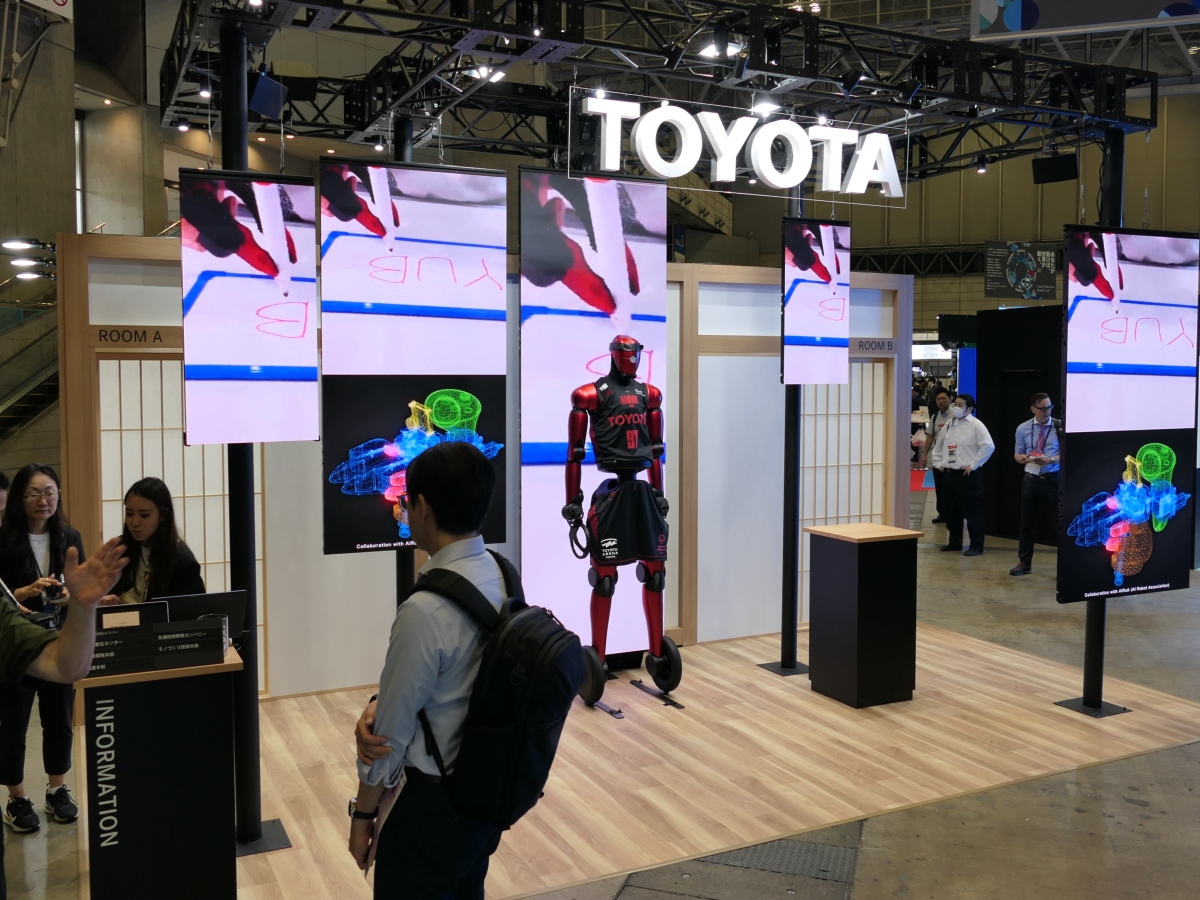
Japan Mobility Show Bizweek 2026 showcased Physical AI applications, including Toyota's basketball-playing rob…
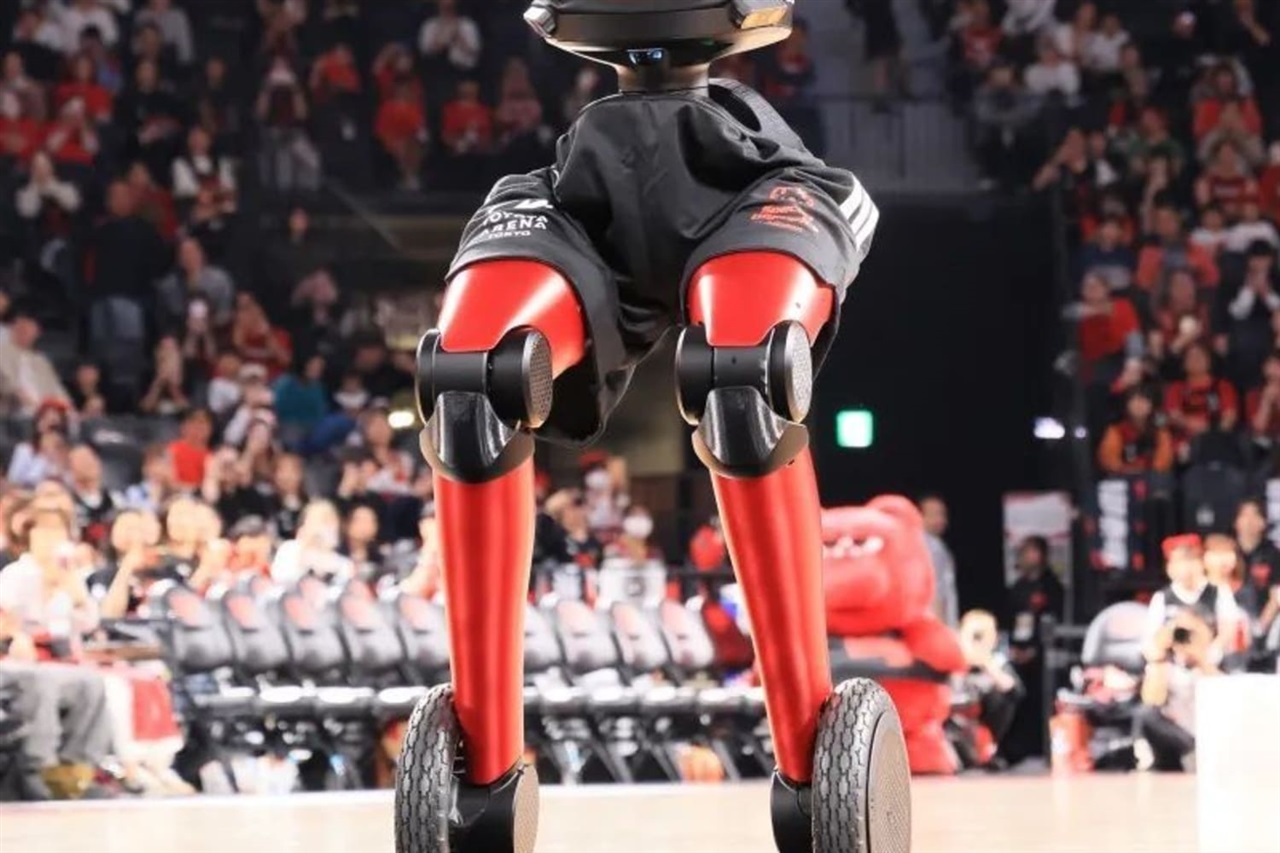
Google pitched Gemini 4 Argon as one model for robot control, simulation and training-data review, saying it s…
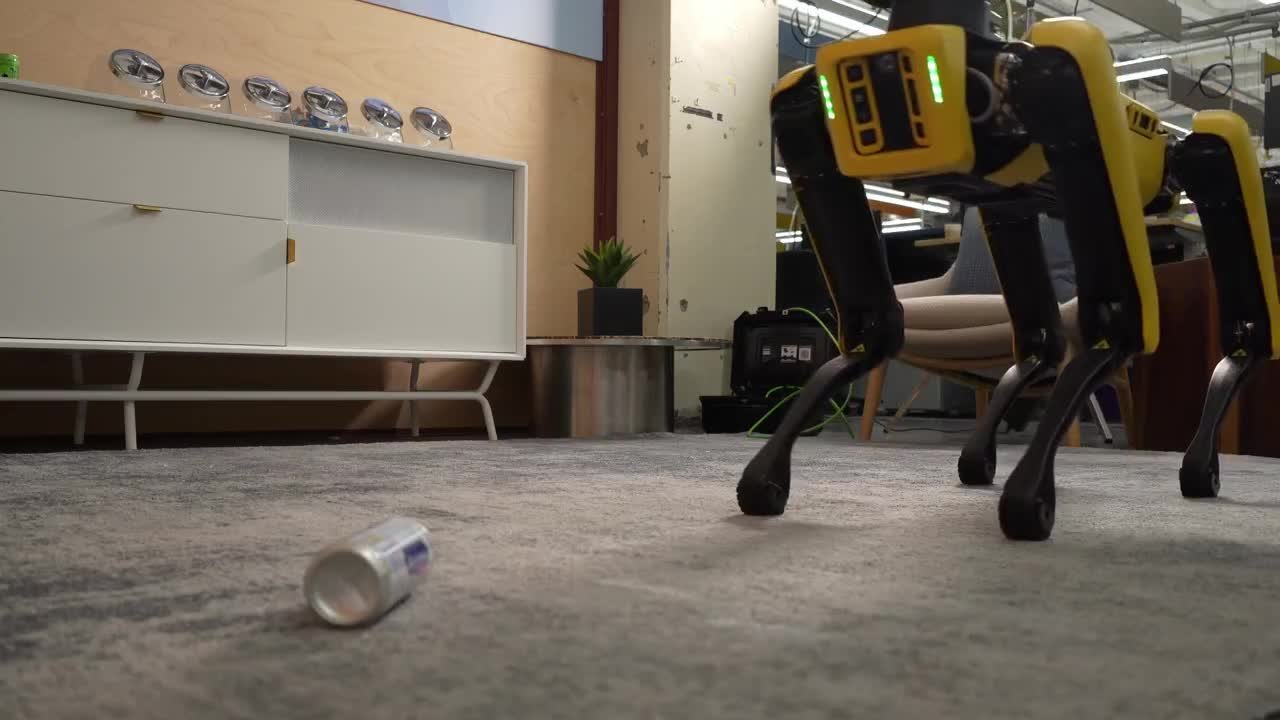
Researcher Sammy Azdoufal discovered Energize Lab's Eiliko robot stores 13 million conversations from 68,000 t…