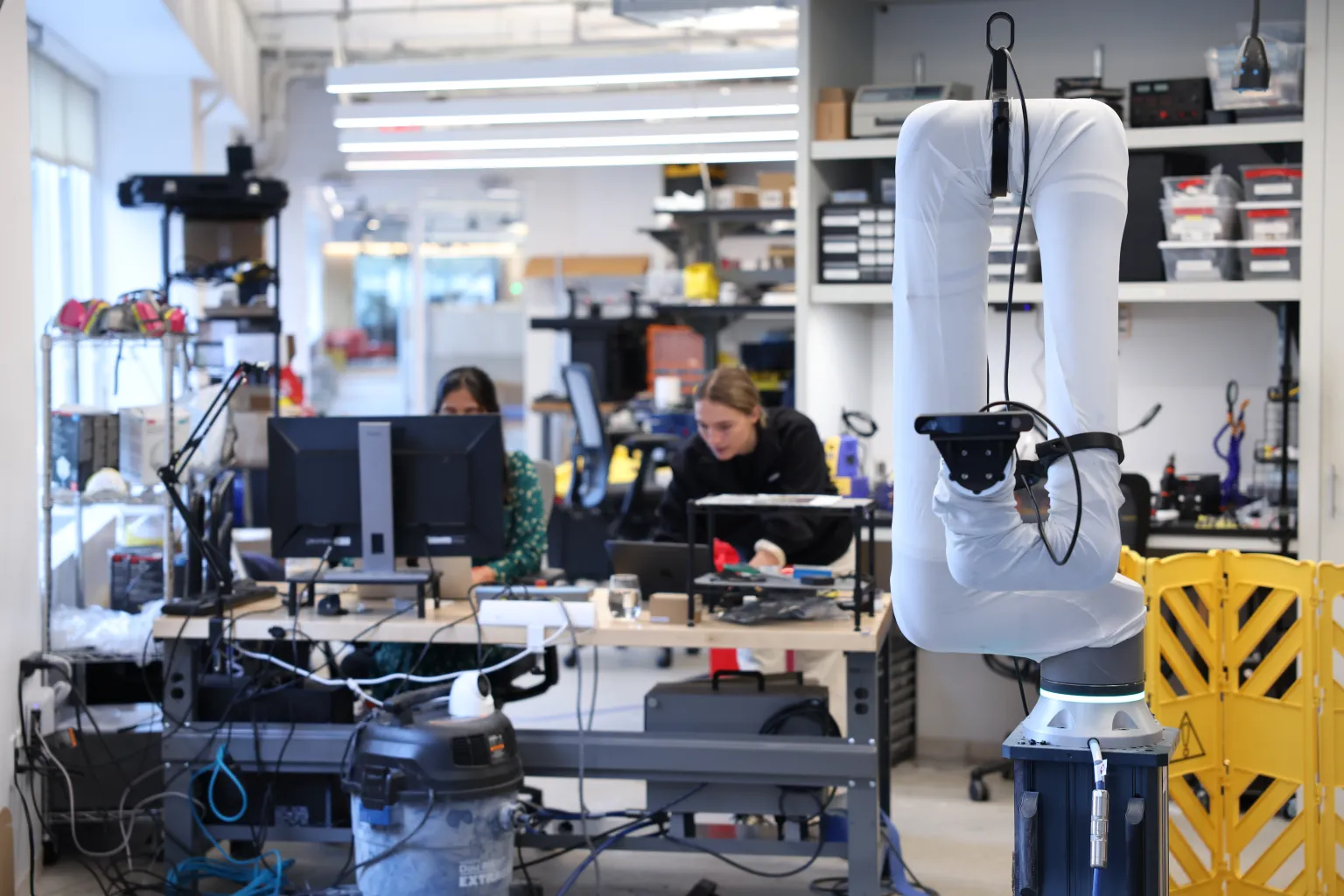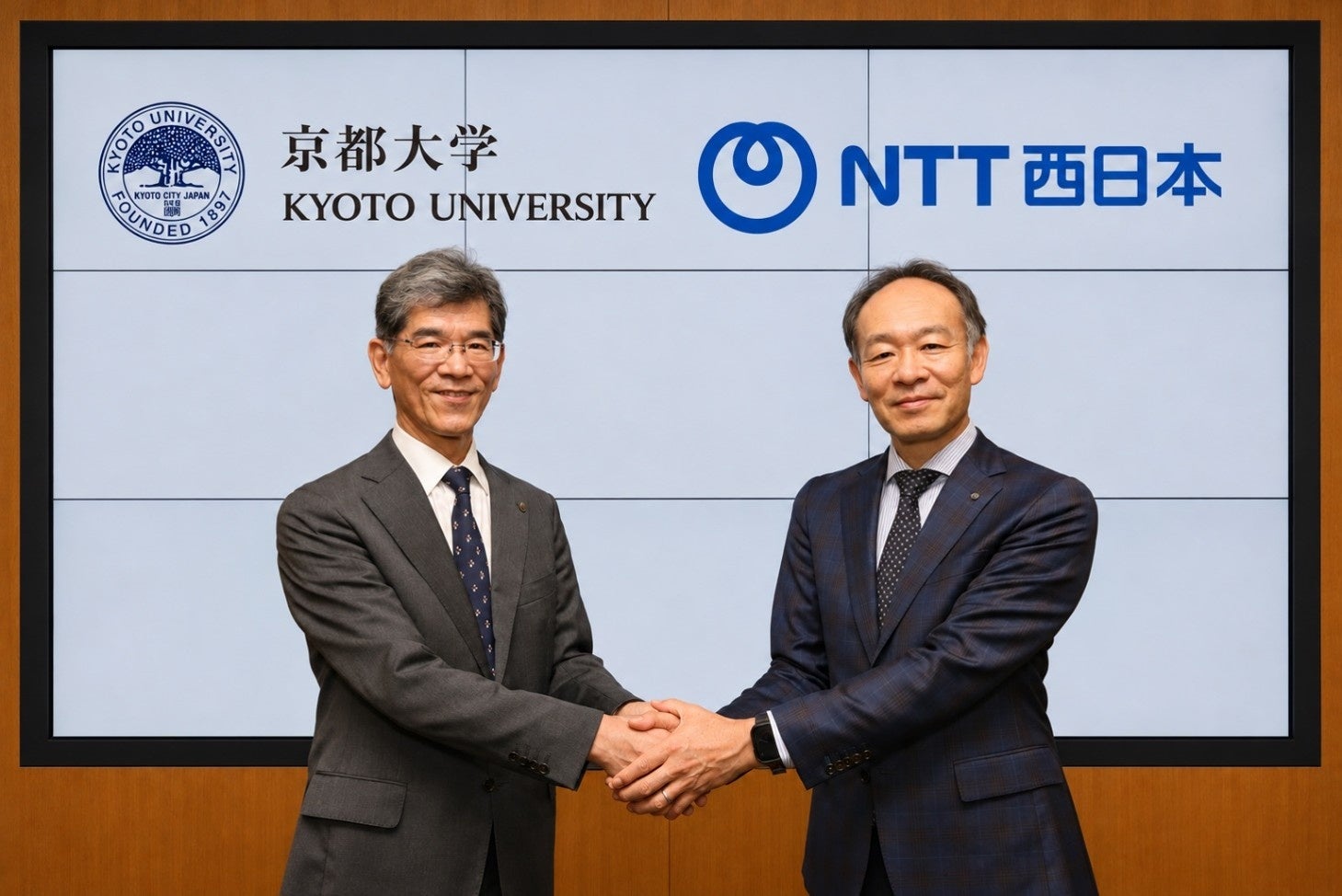
What happened
NTT West Japan commissioned Kyoto University's Growth Strategy Office to build a practical physical AI training program, with XPAC designing the curriculum using field knowledge from the KUPAC community.
Why it matters
The program targets engineers who can develop and test AI models for real-world sites, a skills gap the release ties to Japan's labor shortage and the loss of veteran expertise.
What to watch
The program will be showcased at NTT R&D FORUM 2026 from November 18 and at Smart Building EXPO from December 2.
WHO IT HITSThe program is aimed at engineers and technical staff who need to understand image recognition, motion control and machine learning together and apply them to on-site problems, per the release. Universities and robotics communities may also see it as a model for industry-academia training.
Summaries like this, every morning.
The release frames the effort around two pressures: a labor shortage from a declining birthrate and aging population, and the difficulty of passing on skills held by experienced workers. Physical AI — AI that uses robots to perceive, judge and act in the real world — is presented as a response, but the release argues its adoption requires people who can grasp image recognition, motion control and machine learning together and then build and verify models for specific on-site problems.
That is the gap the program is meant to fill. NTT West Japan has entrusted Kyoto University's Growth Strategy Office with developing a program that runs from basic theory to development and verification on actual machines, combining classroom study of theory and technology trends with hands-on work. XPAC, which grew out of Kyoto University's KUPAC community and now runs it, is central to the curriculum, drawing on knowledge grounded in real work sites.
The two exhibitions serve as a way to let people try the program, and the partners say they will keep studying how to offer it, aiming to contribute to the physical AI ecosystem through training people who can carry it into society.
Pick your industry and the AI tools you use, and get news related to your work every day.
Free · 30 seconds with Google · unsubscribe anytimeWhat is AIToday? →
Ask AI anything about this article. The AI reads this article, earlier AIToday articles, and Wikipedia, and cites its sources. Q&As are published on this page for other readers too.
Yano Research Institute, announcing results on Nov 13, projects global Physical AI robot shipments of about 3.…

SOMPOホールディングス and NTT signed a partnership agreement on 2026年11月11日 to push physical AI into nursing care, sta…
XPENG announced plans to launch five new right-hand-drive models in the UK over the next 12 months, beginning…
After an 18.5% stock drop, Jensen Huang resigned as CEO on Nov

Qvyon launched with $8 million led by MaC Venture Capital and released Mimic Core, a platform that turns real…

Viam launched the Viam Launchpad, a six-month program giving founders usage credits, engineering support, and…