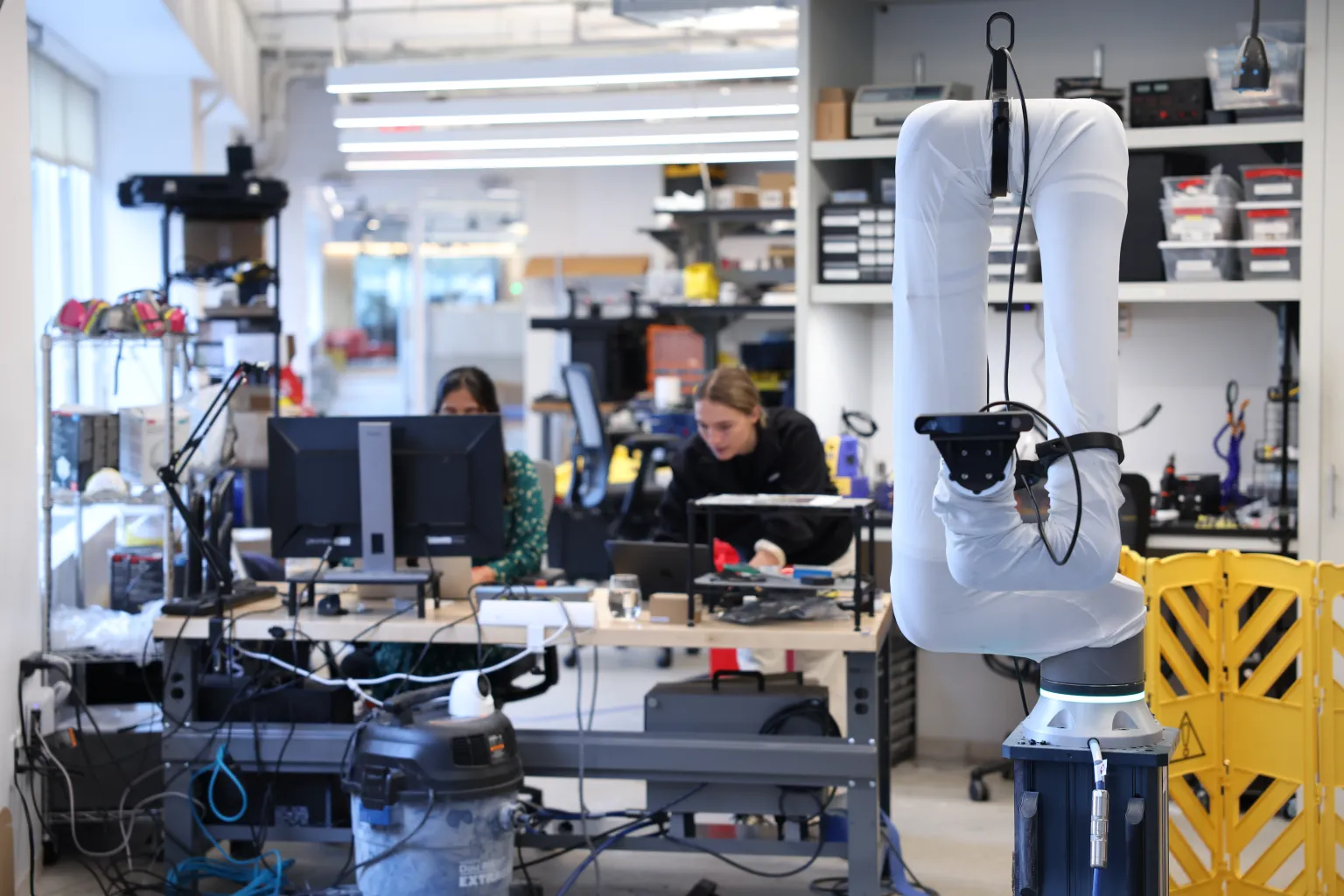
What happened
Yano Research Institute, announcing results on Nov 13, projects global Physical AI robot shipments of about 3.21 million units by 2035, up from about 70,000 in 2025 and a 47.7% year-on-year rise to about 100,000 in 2026.
Why it matters
The research firm says the basis of competition is shifting from individual hardware performance and control precision to system integration across sensing, AI inference, control and actuation, suggesting buyers will increasingly judge robots on how well these pieces work together.
WHO IT HITSThe forecast lands on robotics and automation buyers—manufacturers running industrial and collaborative robots, logistics operators using AGVs and AMRs, and service and drone operators—who may see vendors compete more on integrated AI-driven systems than on individual hardware specs.
Summaries like this, every morning.
Yano Research Institute's survey, released on Nov 13, frames today's Physical AI robot market as being at a stage of demonstration and early commercialization, where performance and economics are being verified for specific tasks and limited environments. The categories it tracks span industrial and collaborative robots, AGVs and AMRs, humanoid and quadruped robots, service robots and drones, and the firm says development and demonstration are spreading across these to handle non-standard environments where object placement and surrounding conditions change.
The forecast rests on an expected evolution from systems that execute fixed motions to autonomous systems that understand their environment and generate and adjust actions accordingly, driven by progress in AI models, data and control software. Demand is projected to grow mainly in areas that conventional automation has found difficult, such as high-mix production and non-standard work, with labor shortages, rising labor costs and the need to secure manufacturing competitiveness cited as background.
Pick your industry and the AI tools you use, and get news related to your work every day.
Free · 30 seconds with Google · unsubscribe anytimeWhat is AIToday? →
Ask AI anything about this article. The AI reads this article, earlier AIToday articles, and Wikipedia, and cites its sources. Q&As are published on this page for other readers too.
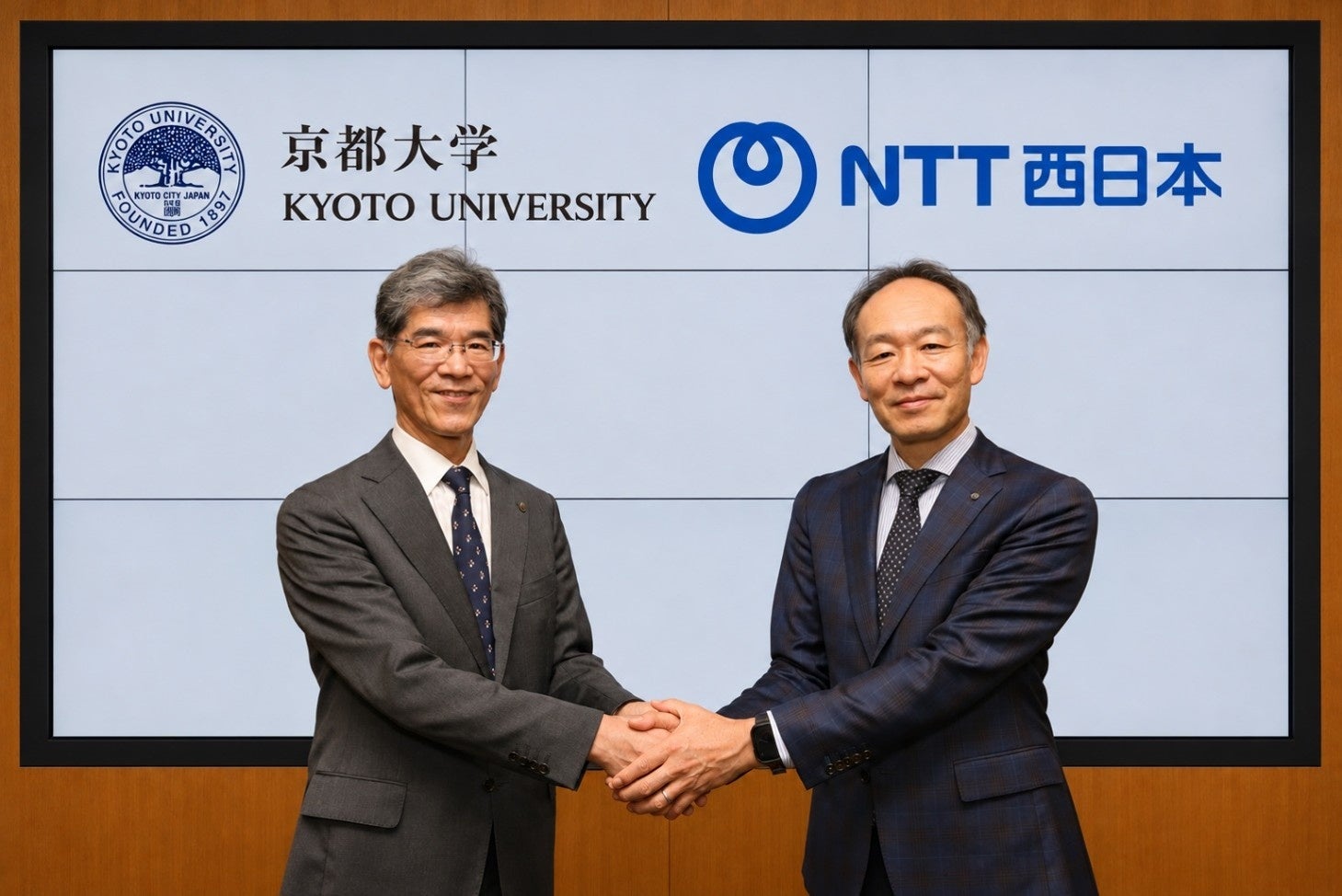
NTT West Japan commissioned Kyoto University's Growth Strategy Office to build a practical physical AI trainin…
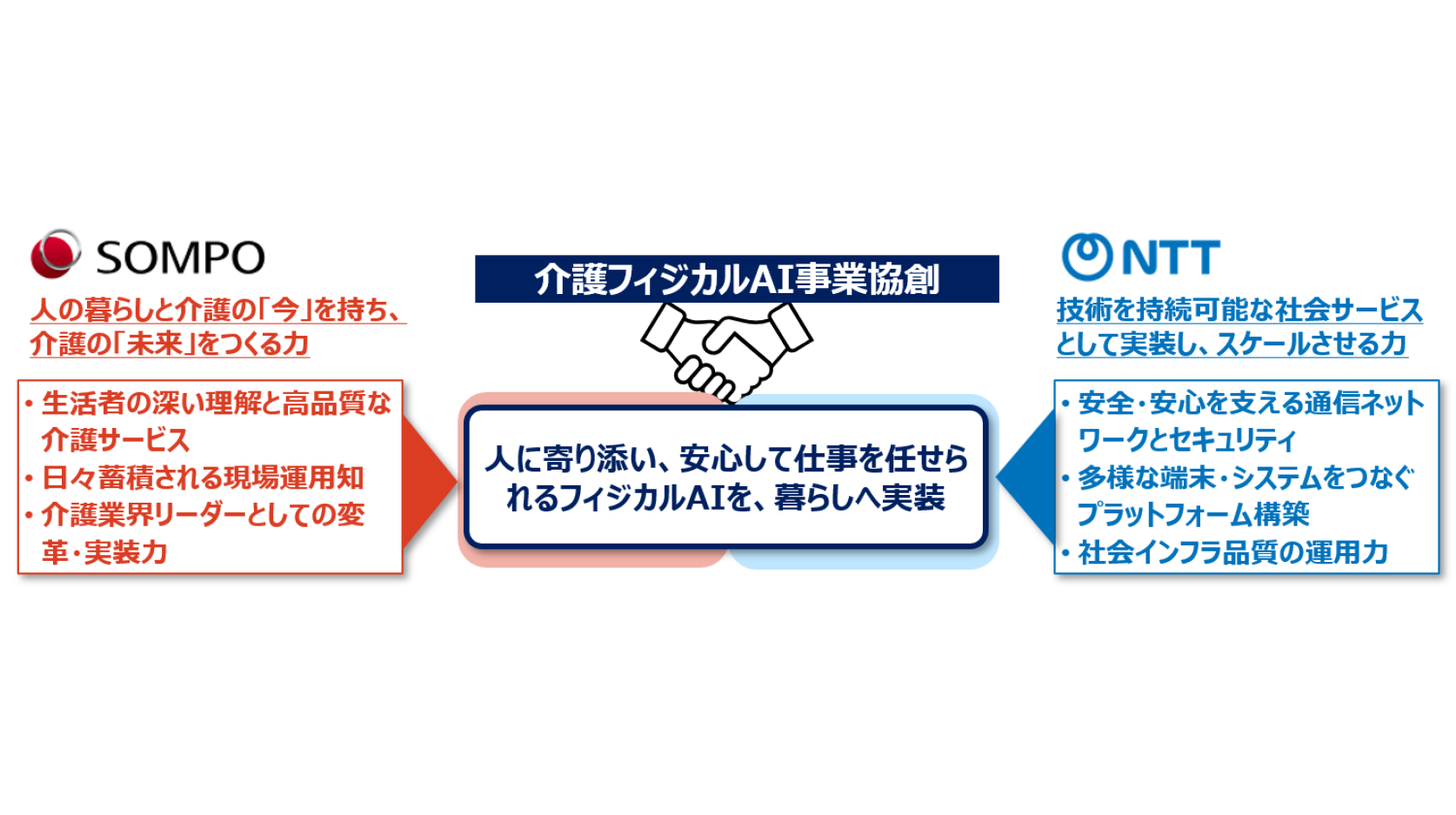
SOMPOホールディングス and NTT signed a partnership agreement on 2026年11月11日 to push physical AI into nursing care, sta…
XPENG announced plans to launch five new right-hand-drive models in the UK over the next 12 months, beginning…

After an 18.5% stock drop, Jensen Huang resigned as CEO on Nov

Qvyon launched with $8 million led by MaC Venture Capital and released Mimic Core, a platform that turns real…
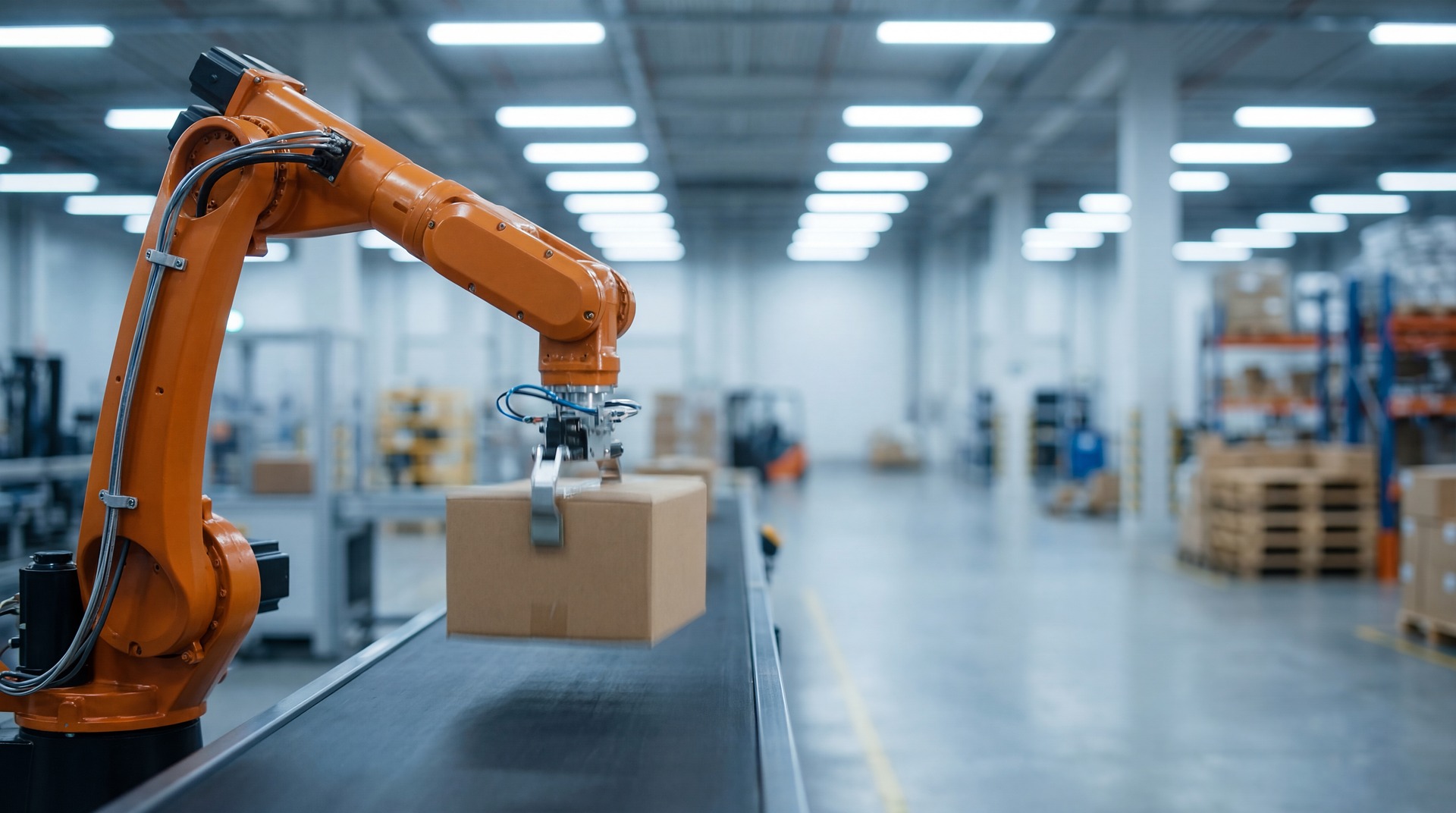
Viam launched the Viam Launchpad, a six-month program giving founders usage credits, engineering support, and…