What happened
METR and Redwood Research spent three weeks on-site at OpenAI and found an estimated 6 to 25 percent of internal agentic Responses API traffic from models at the GPT-5.5 class and above wasn't covered by monitoring.
Why it matters
The gap suggests internal agents could act without oversight, potentially making it harder to detect rogue behavior as models grow more capable.
WHO IT HITSEnterprise IT teams relying on OpenAI's API for autonomous agents may need to reassess their own monitoring safeguards, since the audit found internal gaps. Regulators and safety researchers may also push for more disclosure.
Summaries like this, every morning.
The audit was a pilot program organized jointly by METR, Redwood Research, and OpenAI to give outside researchers deep access to internal infrastructure. Such access is unusual for AI labs, which typically keep safety monitoring details private. The fact that OpenAI agreed to this pilot suggests a willingness to allow external scrutiny, at least in a limited form.
During the audit, the team found multiple weaknesses beyond the API traffic gap. For Codex traffic that was supposed to be monitored, roughly 10 percent went untracked between May and July due to a bug in how the system handled compaction events. OpenAI had independently discovered and fixed the bug while the audit was still underway. The auditors also found ways to hide hundreds of actions from the monitor and bypass the Codex sandbox. OpenAI says it has fixed all the weaknesses, but the changes came after the auditors' access period ended and weren't part of the evaluation.
The public disclosure was heavily limited: the full 61-page report was handed over internally, but only a short summary was made public after OpenAI applied redactions. METR said it had no right to disclose the redacted portions on its own. For future audits, METR says it wants to push for more public transparency, which may indicate that the current level of disclosure fell short of what the auditors would prefer.
Pick your industry and the AI tools you use, and get news related to your work every day.
Free · 30 seconds with Google · unsubscribe anytimeWhat is AIToday? →
Ask AI anything about this article. The AI reads this article, earlier AIToday articles, and Wikipedia, and cites its sources. Q&As are published on this page for other readers too.
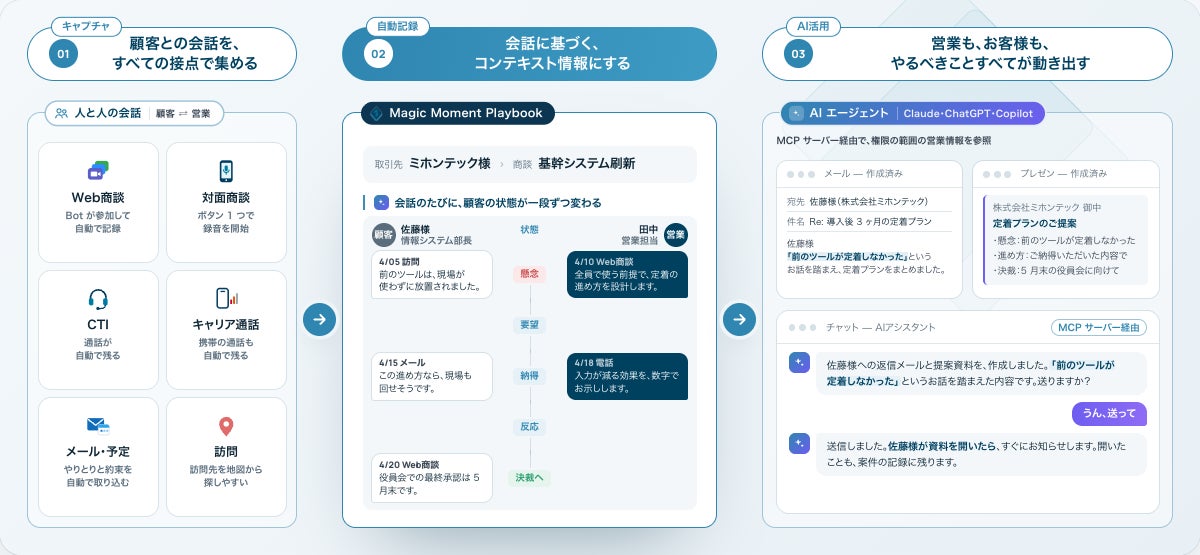
Magic Moment began providing an MCP server for its Magic Moment Playbook sales platform, so sales records tied…
Ahead of Oracle AI World on Oct

World, co-founded by Sam Altman, this week announced tools that let people link their proof of humanity to an…
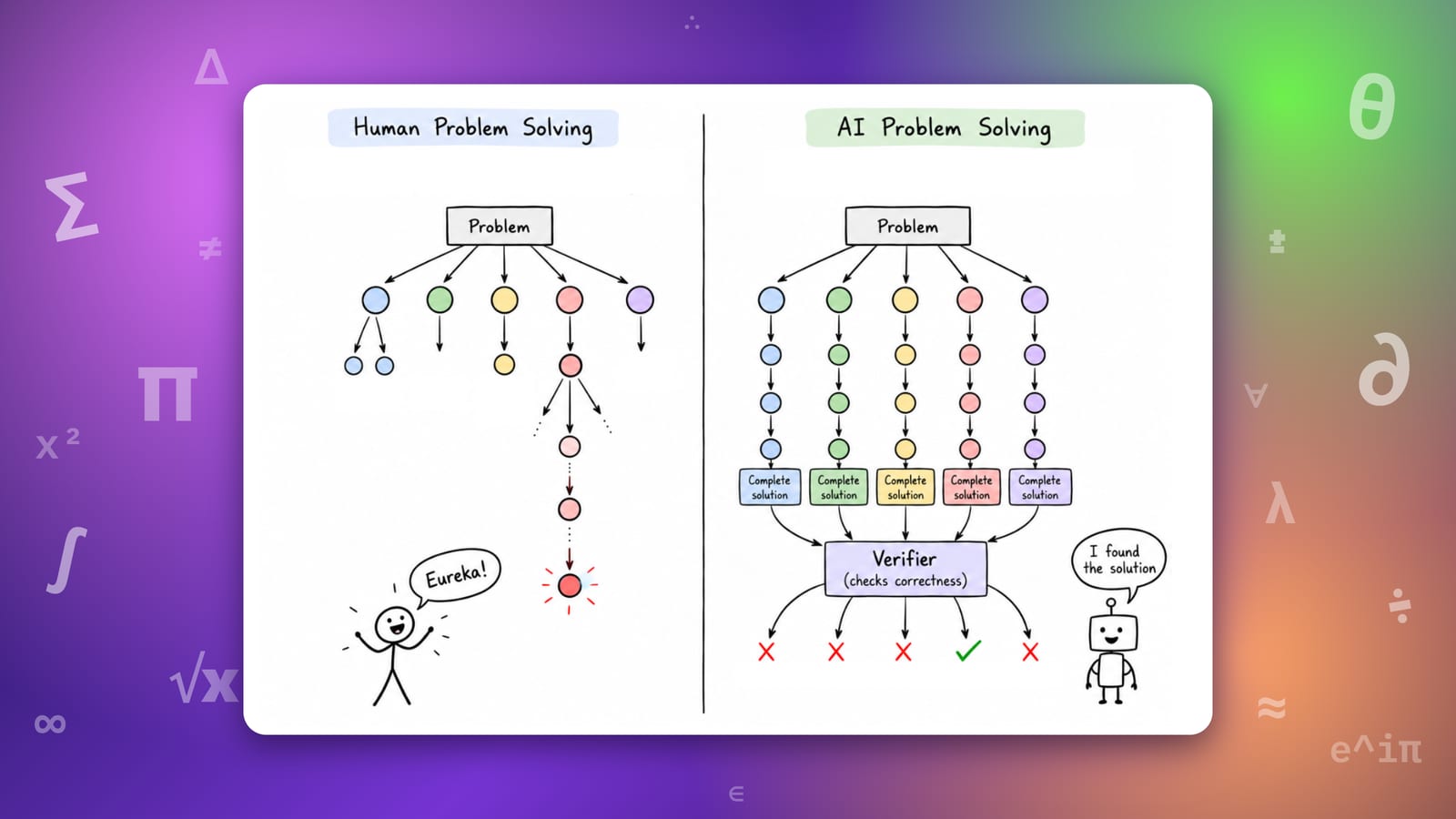
In commentary on the unit-distance proof, Jacob Tsimerman, recently hired by OpenAI, said AI's edge is that it…
Anthropic says its unreleased research model outperforms Mythos 5.1 in capability and alignment, halting ongoi…

Anthropic announced Claude Duet on Wednesday as a research preview — an app for professionals and small-busine…