What happened
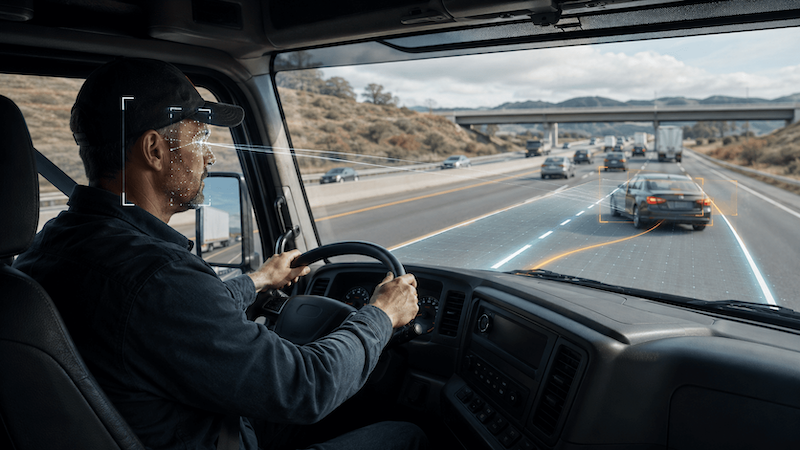
An explainer lays out how AI dash cam systems give small and medium-sized trucking fleets video evidence, driver-coaching data and alerts on risky behaviors like distracted driving and harsh braking.
Why it matters
With limited administrative staff, smaller carriers can focus on flagged events instead of hours of footage and can use video to answer accident claims, but evidence does not guarantee a claim outcome.
Summaries like this, in your inbox every morning.
Many smaller fleets assume advanced camera systems are built for carriers with hundreds of trucks, so they treat the technology as an unnecessary expense. Its counterargument is that for a small carrier every vehicle, driver and incident carries outsized weight, which makes visibility more valuable, not less. The piece points to Federal Motor Carrier Safety Administration research on onboard monitoring that combines video with vehicle-performance data, and to the agency's Tech-Celerate Now initiative, as background for why driver-facing and road-facing cameras are treated as training and safety tools rather than pure surveillance. It also notes that FMCSA offers an ROI calculator for certain advanced driver assistance technologies, acknowledging that fleet-specific information matters when judging whether an investment makes financial sense.
A second thread is how the technology fits alongside systems a growing fleet already runs. GPS tracking shows where a vehicle is, telematics reports speed, location and activity, and ELDs handle hours-of-service records and compliance; cameras add visual context those systems cannot supply on their own. The practical value comes from event-based review, since a manager at a 10-truck fleet with no dedicated safety department can focus on flagged incidents rather than watching hours of footage. That same data, viewed over time, may reveal patterns across drivers and vehicles that point to a training gap rather than one person's performance.
The piece is careful about limits. It says video evidence can help a fleet demonstrate safe operation, provide context around a collision and support insurance and claims processes, but it does not guarantee a particular outcome in a claim. It also ties adoption to a transparent camera policy covering what is recorded, when recordings trigger, who can access footage and how drivers are evaluated, so the technology is presented as part of a safety culture rather than simply another monitoring tool. No specific vendors, prices or adoption figures are given, so the guidance stays at the level of what to evaluate before purchase.
Pick your industry and the AI tools you use, and get news related to your work every day.
Free · 30 seconds with Google · unsubscribe anytimeWhat is AIToday? →
Ask AI anything about this article. The AI reads this article, earlier AIToday articles, and Wikipedia, and cites its sources. Q&As are published on this page for other readers too.
Level 3 (L3) autonomous driving penetration in China is forecast to exceed 35% by 2030, supported by falling s…
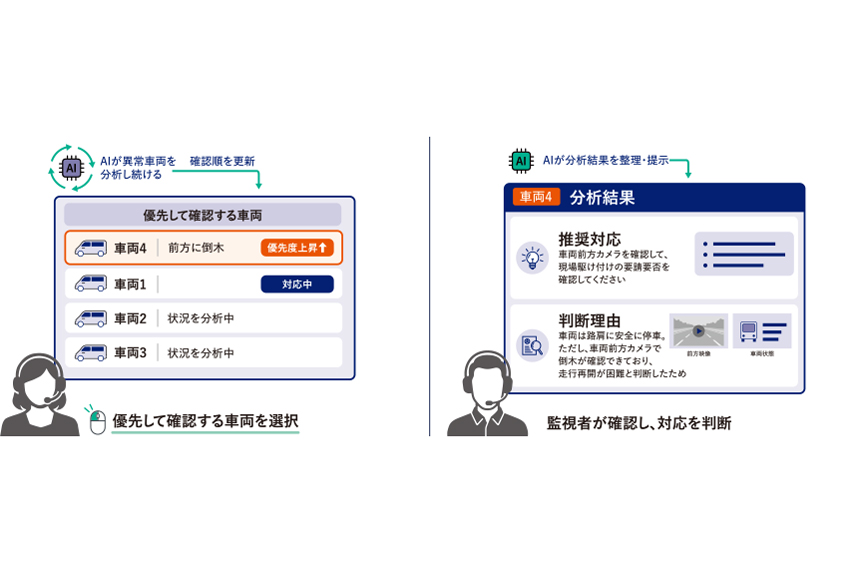
KDDI developed an AI agent for 1対N remote monitoring in レベル4 autonomous driving
Tesla's third quarter showed its vehicle business regaining some per-car profitability, even as total sales st…
Google added conversational Gemini to Google Maps on Apple CarPlay, available today for US drivers, with rollo…

Mahe Xin Technology, Li Auto's chip and domain controller subsidiary, entered a first-round equity financing a…

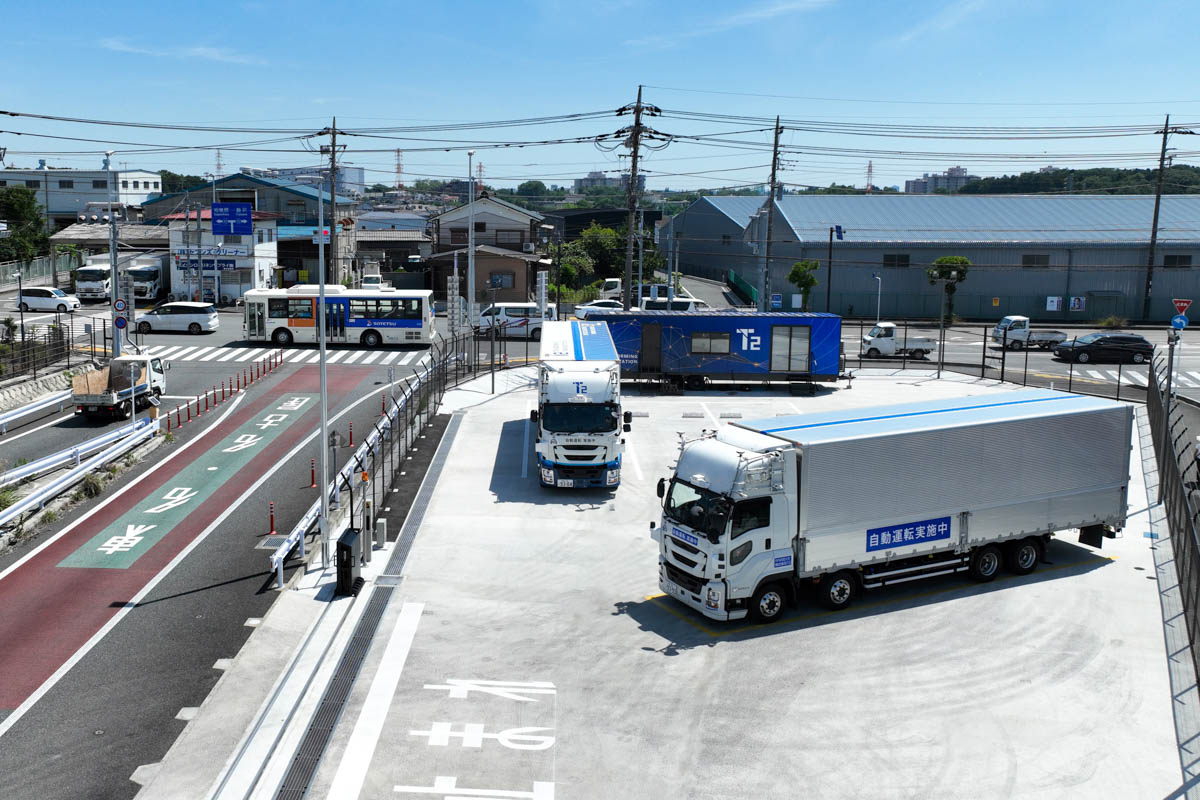
T2 built and deployed automated departure/arrival tech for autonomous trucks to travel from hubs via general r…