What happened
A new study from Google, Google DeepMind, and MIT FutureTech, drawing on ATLAS data, analyzed 2,600 specialized AI models and surveyed over 600 U.S. and U.K. scientists; nearly half use AI daily and report saving just below seven hours a week.
Why it matters
Scientists now report saving almost 7 hours a week, but the research also finds significant time validating AI outputs, an increased backlog of untested hypotheses, and bottlenecks in physical experimentation and clinical validation, so the large-scale impact on discoveries may require redesigning scientific processes.
What to watch
The test is whether research workflows get redesigned to convert saved time into tested hypotheses, since bottlenecks in physical experimentation and clinical validation could limit output. Watch ATLAS's new interactive, open-access experience as it adds more global data points.
WHO IT HITSResearch leaders, lab managers, and scientists in health, life sciences, and other fields who are adopting AI tools will feel this most, since the findings suggest time savings alone may not translate into faster discoveries without changes to how experiments and validation are organized.
Ask the AI about this article →
Summaries like this, in your inbox every morning.
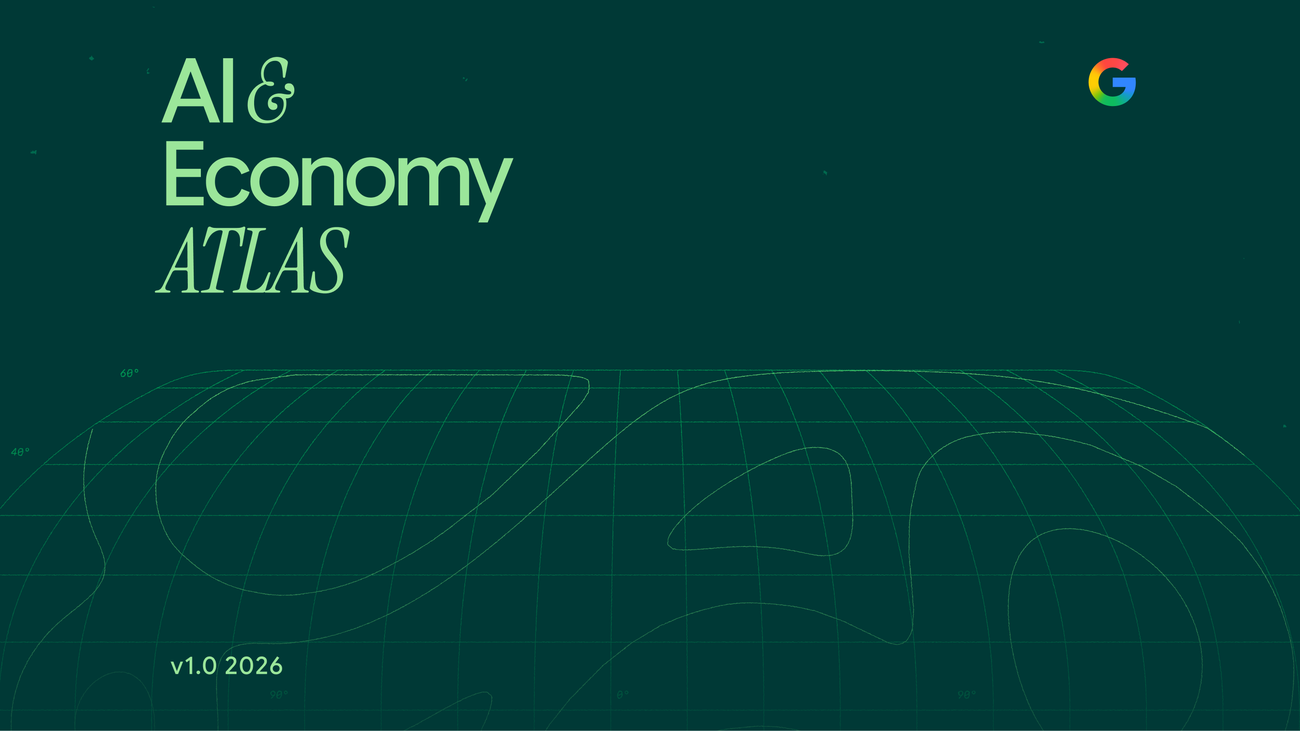
Google's AI & Economy ATLAS is a long-term research project, and this update brings two things together: a new interactive, open-access experience for exploring its millions of data points, and new research from Google, Google DeepMind, and MIT FutureTech on how scientists use AI. The study draws on ATLAS data, an analysis of 2,600 specialized AI models, and a survey of over 600 U.S. and U.K. scientists organized using a new taxonomy from MIT FutureTech.
The findings suggest that scientists are adopting AI at a higher rate than many other occupations, but the way they use it differs by tool. LLMs like Gemini spread widely across fields, while specialized models are relatively more common in health and life sciences and in domain-specific data prediction, generation, and simulation tasks. The reported time savings of just below seven hours a week are significant, yet the research also points to time spent validating AI outputs, a growing backlog of hypotheses, and bottlenecks in physical experimentation and clinical validation.
That combination suggests the benefits of AI in science may hinge less on the tools themselves and more on whether research workflows are redesigned around them. For research institutions, funders, and lab managers, the question is likely to be how to absorb faster hypothesis generation without letting testing and validation become the limiting step. The article notes that many questions about the future of AI and the economy remain, and that ATLAS will continue with partners in academia and elsewhere.
For example, today's edition would include:
AI-summarized, only the topics you pick — one digest a day via Email, Slack, or Discord.
Free · 30 seconds with Google · unsubscribe anytimeWhat is AIToday? →
Ask AI anything about this article. Q&As are published on this page for other readers too.
Chevron jumped about 2.1% to $216.58 Tuesday afternoon as Brent crude climbed to $109.20 per barrel amid Saudi…
Walmart CEO John Furner is turning the retailer's 5,200 U.S

Coca-Cola President and CFO John Murphy told Yahoo Finance that AI is not 'the path forward' for the company's…

Perplexity released Portable Computer for Windows in partnership with Nvidia, via its existing Windows app
Bank of America is replacing only 75% of employees who leave while doubling its budget for AI, per eFinancialC…

In its Q2 2026 investor letter, Auxier Asset Management said Caterpillar Inc