What happened
At MIT Future Fest, Tony Fadell said the Rabbit R1, Humane Ai pin, and Limitless pendant failed because they "didn't meet any kind of need." He predicts a winning AI assistant runs on-device only.
Why it matters
Fadell argues early AI devices were "interesting technology for geeks" rather than something solving a real problem.
What to watch
Fadell said trust and safety are "paramount" for anything turned over to an intelligence, and a successful agent will need to keep sensitive data on-device. Watch whether a company can pair that hardware position with a world-class AI model of its own — Fadell said only one company, maybe two, could do this.
WHO IT HITSThe read lands hardest on product teams and founders building consumer AI hardware or assistant apps: Fadell's bar is solving a real need and earning trust for sensitive tasks like banking, not shipping neat technology. It also matters to privacy and security leads at large platform companies weighing on-device processing against cloud back ends.
Summaries like this, in your inbox every morning.
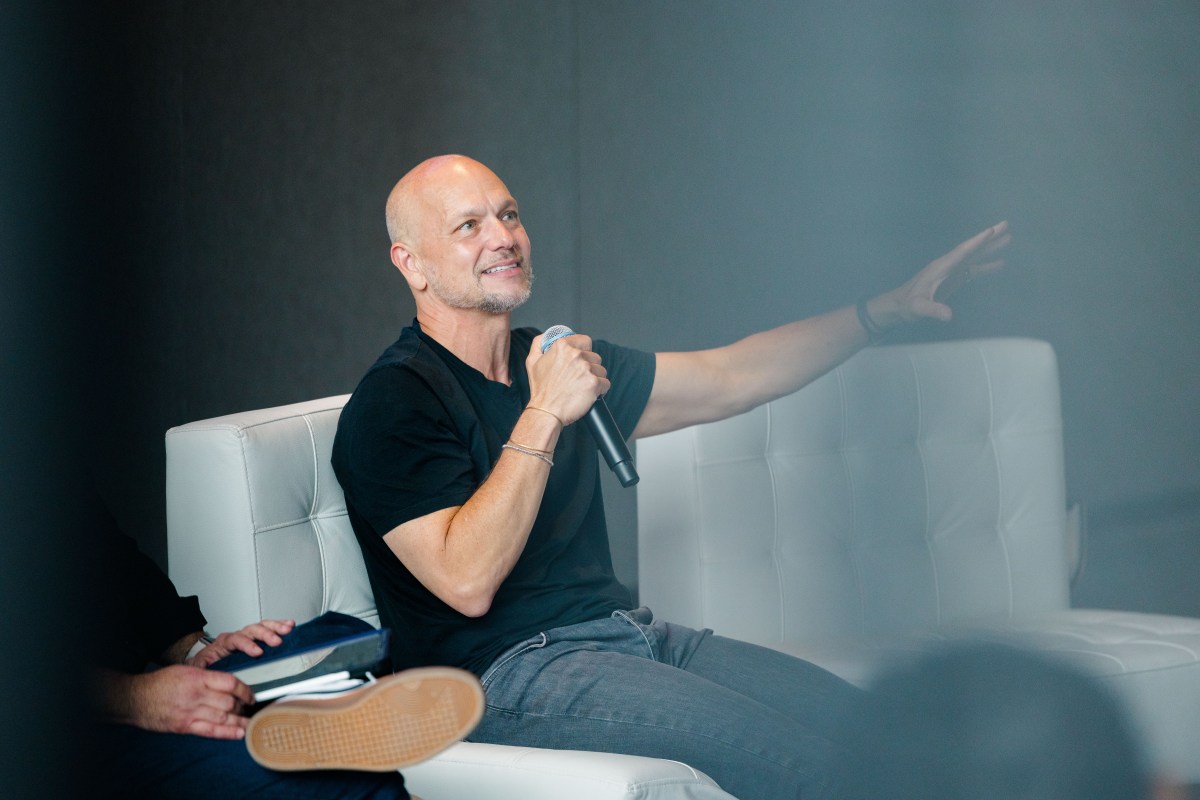
Fadell's slide at MIT Future Fest put three discontinued AI devices side by side — the Rabbit R1, the Humane Ai pin, and the Limitless pendant — and he noted that these companies had called him for help because of his background. He declined. His record includes the iPod, the iPhone, and Nest, the smart thermostat company acquired by Google, which is the basis for the authority he claims on the question of what makes a consumer device stick.
The thread running through his argument is trust. He compared an AI assistant to a human assistant, noting it took him a couple of years to understand how to use one and then to trust them with sensitive data and let them work with his bank. That is the gap he sees between the industry's vision of the future and where general consumers and businesses actually are. He applies the same test to launch-day security: Meta recently launched Muse, its all-purpose AI assistant, and a security researcher quickly found a serious vulnerability in it, while a 404 Media report states some Meta employees found security issues that prompted multiple teams to work overtime on a "mad dash" to fix them before launch.
Fadell's other prediction is architectural. He rejects the idea that data centers will conquer the world, pointing to how much power and compute now sits on battery-operated devices, and argues a successful agent will have to operate on-device only for privacy and weight. He sees one company, maybe two, positioned to do that, and says Apple has the hardware, chips, and pieces but not the AI — its new Siri AI runs on custom-built versions of Google's Gemini. Whether that gap closes, or a rival pairs a model with its own device, is likely to determine which assistant consumers end up trusting.
Pick your industry and the AI tools you use, and get news related to your work every day.
Free · 30 seconds with Google · unsubscribe anytimeWhat is AIToday? →
Ask AI anything about this article. The AI reads this article, earlier AIToday articles, and Wikipedia, and cites its sources. Q&As are published on this page for other readers too.
Kore.ai Inc. launched Autoloop, which adjusts AI agents toward goals customers set for task completion, busine…

OpenAI launched a Decisions API that evaluates text, images, or both, returning yes/no probabilities, category…

Google launched Playground, a browser-based AI platform that lets adults in the US create games using only tex…
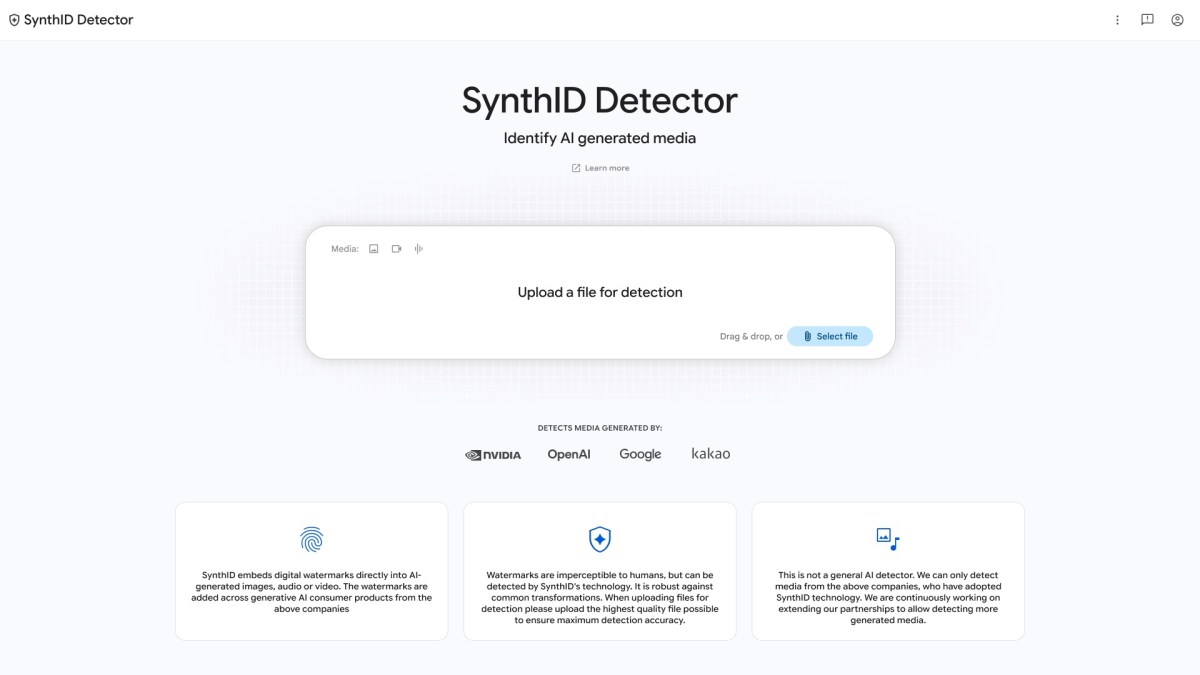
Google made its SynthID detector available globally to anyone with a Google, OpenAI, or Apple account, with a…
In August, DoorDash emailed Bay Area restaurants warning they may be listed on Bites without consent, with ter…
Google launched a new public site using SynthID to verify whether an image, video, or audio clip is AI-generat…