
What happened
Google launched Playground, a browser-based AI platform that lets adults in the US create games using only text input, running on Gemini, Nano Banana, and Lyria. Finished games can be shared via link or published in a public gallery.
Why it matters
The platform removes the coding barrier for game creation, potentially allowing casual players to become game developers.
What to watch
The platform's success hinges on whether it can attract enough users and maintain quality control. Watch for the Unity Spark closed beta in 2026, which targets professional developers.
WHO IT HITSGame developers and artists with creative ideas but limited technical skills may find new tools to build games, while platform owners like Google and Unity are betting on AI to lower barriers.
Summaries like this, in your inbox every morning.
Google's launch of Playground follows similar AI game-building tools from Meta and Roblox, signaling a broader push to democratize game creation. The platform is free, with higher weekly usage limits for Google One subscribers, indicating a strategy to drive adoption through existing subscription services.
Alongside Playground, Google and Unity announced Unity Spark, a professional AI tool with access to the Unity Asset Store. Unity CEO Matt Bromberg says Spark targets gamers and artists who have creative ideas but lacked the technical skills to build them. The closed beta is set to launch sometime in 2026.
The outcome hinges on whether these tools can attract users and maintain quality control. For casual players, Playground could turn them into developers; for professionals, Unity Spark may offer new ways to build games. The safety reviews based on Google's community guidelines will also shape how content is moderated.
Pick your industry and the AI tools you use, and get news related to your work every day.
Free · 30 seconds with Google · unsubscribe anytimeWhat is AIToday? →
Ask AI anything about this article. The AI reads this article, earlier AIToday articles, and Wikipedia, and cites its sources. Q&As are published on this page for other readers too.
Kore.ai Inc. launched Autoloop, which adjusts AI agents toward goals customers set for task completion, busine…

OpenAI launched a Decisions API that evaluates text, images, or both, returning yes/no probabilities, category…

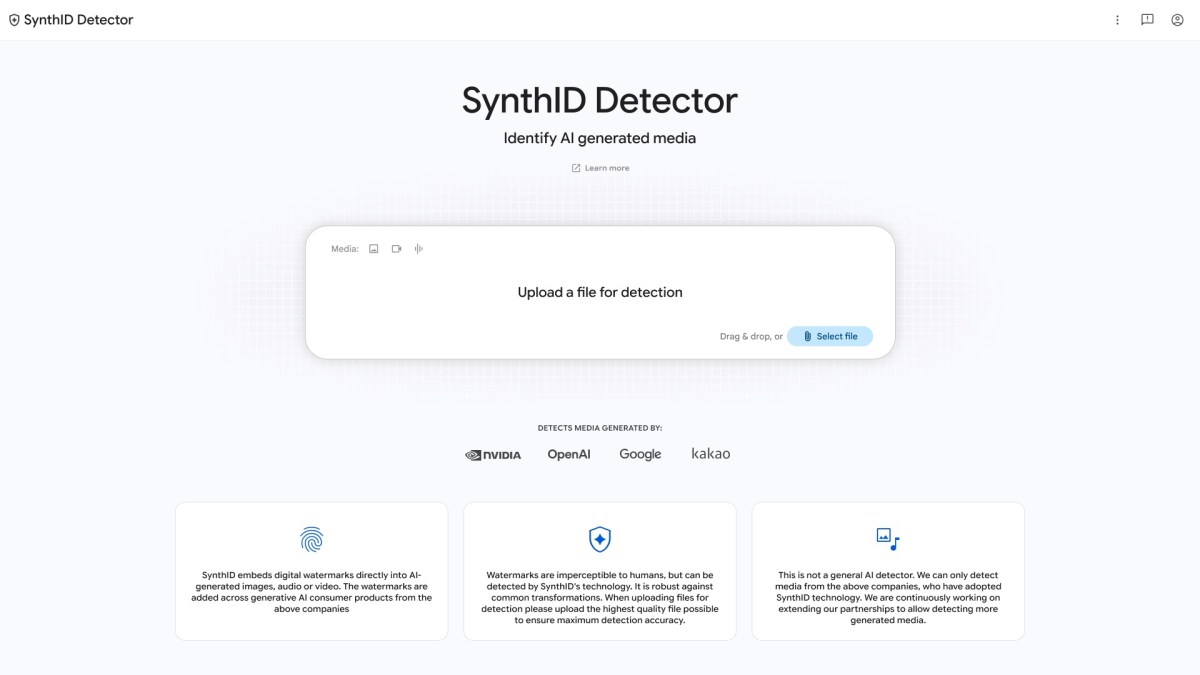
Google made its SynthID detector available globally to anyone with a Google, OpenAI, or Apple account, with a…

In August, DoorDash emailed Bay Area restaurants warning they may be listed on Bites without consent, with ter…
Google launched a new public site using SynthID to verify whether an image, video, or audio clip is AI-generat…
At MIT Future Fest, Tony Fadell said the Rabbit R1, Humane Ai pin, and Limitless pendant failed because they "…