What happened
Nvidia's Data Center revenue reached $89 billion in a later quarter, beating the $85.8 billion forecast. Revenue from its ACIE segment (AI clouds, industrial, and enterprise customers) surged 138%, while hyperscaler revenue more than doubled.
Why it matters
The result addresses investor worries about customer concentration. ACIE is the smaller, more diversified customer base, and it is now growing faster than the hyperscalers—Amazon, Google, Microsoft, Meta, and SpaceX—that Nvidia has historically leaned on.
What to watch
The question is whether this growth is sustainable against the long-term threat of custom chip development by major customers and the financial strain on hyperscalers from heavy capital spending. Watch whether ACIE's fast growth continues in upcoming quarters.
Summaries like this, in your inbox every morning.
Nvidia's biggest investor concern has been customer concentration, with heavy reliance on Amazon, Google, Microsoft, Meta, and SpaceX. The company's recent earnings show a shift, as its ACIE segment—covering AI clouds, industrial, and enterprise customers—grew 138%, outpacing the hyperscaler group's growth. This diversification is significant because it suggests Nvidia's market extends beyond a few large buyers.
CEO Jensen Huang has framed the concentration as a go-to-market strategy, starting with the 'easiest' customers—the handful of hyperscalers—while aiming to reach roughly 250,000 other companies. The rapid ACIE growth indicates this broader market is beginning to materialize.
However, the bear case remains: hyperscalers are still a major revenue source, and they are designing custom chips to reduce reliance on Nvidia. Additionally, these customers face financial strain from massive capital spending, which could slow their purchases. The key risk is whether ACIE's growth can compensate if hyperscaler spending decelerates.
Pick your industry and the AI tools you use, and get news related to your work every day.
Free · 30 seconds with Google · unsubscribe anytimeWhat is AIToday? →
Ask AI anything about this article. The AI reads this article, earlier AIToday articles, and Wikipedia, and cites its sources. Q&As are published on this page for other readers too.
OpenAI is discussing a $30 billion investment led by UAE backers with Coatue expected to join, valuing the com…
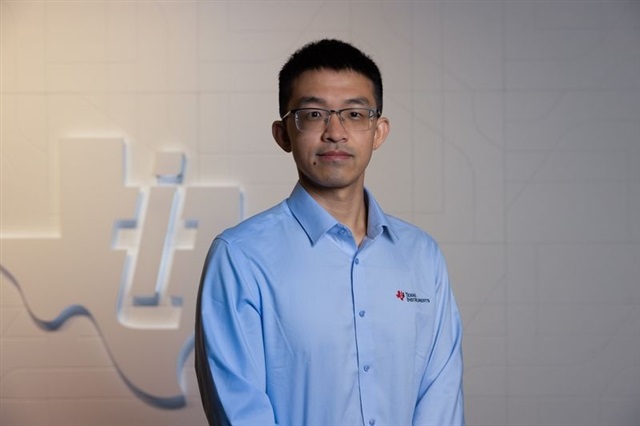
Patrick Zeng, TI's data center thermal management general manager, told DIGITIMES that liquid cooling will shi…
CoreWeave unveiled its Zero Trust AI Framework at Nvidia GTC, built around customer-controlled model, data and…

The Nasdaq tumbled on AI fears, while the Dow managed to hold onto gains, per Barron's Review & Preview

Treasury Secretary Scott Bessent dismissed "systemic" economic risks from the AI boom, the Financial Times rep…

Microsoft announced in September 2026 that Copilot now combines Chat, Cowork, Code and Autopilot in one interf…