
What happened
Microsoft shares rose nearly 22% this past week after reporting that revenue jumped 18% year-over-year to $90 billion in its fiscal 2026 fourth quarter (ended June 30). Azure cloud sales soared 43%, and the company's Microsoft 365 Copilot AI assistant reached over 30 million paid seats.
Why it matters
Azure's annual revenue topped $100 billion for the first time, signaling that Microsoft's bet on AI infrastructure is paying off at massive scale. Adjusted net income climbed 22% to $35.3 billion, or $4.74 per share—handily surpassing Wall Street's estimate of $4.24—and the company expects to remain free cash flow positive in fiscal 2027 even while ramping up AI investments.
What to watch
Microsoft 365 Copilot's adoption across Word, Excel, and Teams is a key driver of the productivity division's 14% revenue growth (to $37.8 billion in Q4). The company's ability to maintain profitability while scaling AI infrastructure will signal whether it can sustain this momentum.
Summaries like this, in your inbox every morning.
Microsoft's nearly 22% stock surge reflects investor confidence that the company is successfully monetizing AI at scale. The headline figure—Azure's 43% sales growth and the breakthrough of $100 billion in annual revenue for the first time—shows that the AI infrastructure race is translating into concrete revenue gains. What distinguishes this quarter is not just cloud growth, but proof that AI is permeating Microsoft's core businesses: the Microsoft 365 Copilot reached over 30 million paid seats, contributing to 14% growth in the productivity division to $37.8 billion.
Profitability has not been sacrificed for growth. Adjusted net income climbed 22% to $35.3 billion, beating Wall Street's estimate of $4.24 per share with an actual result of $4.74. This is significant because it shows Microsoft is not burning cash to chase AI adoption; instead, the scale of its Azure platform and broad customer base is allowing it to invest heavily in AI infrastructure while maintaining strong margins. Management's confidence that the company will remain free cash flow positive in fiscal 2027—despite ramping up AI investments—suggests the business model is sustainable at this scale.
Pick your industry and the AI tools you use, and get news related to your work every day.
Free · 30 seconds with Google · unsubscribe anytimeWhat is AIToday? →
Ask AI anything about this article. The AI reads this article, earlier AIToday articles, and Wikipedia, and cites its sources. Q&As are published on this page for other readers too.
IBM outbound CTO Tyler Lynch said teams should start from customer outcomes, not roles

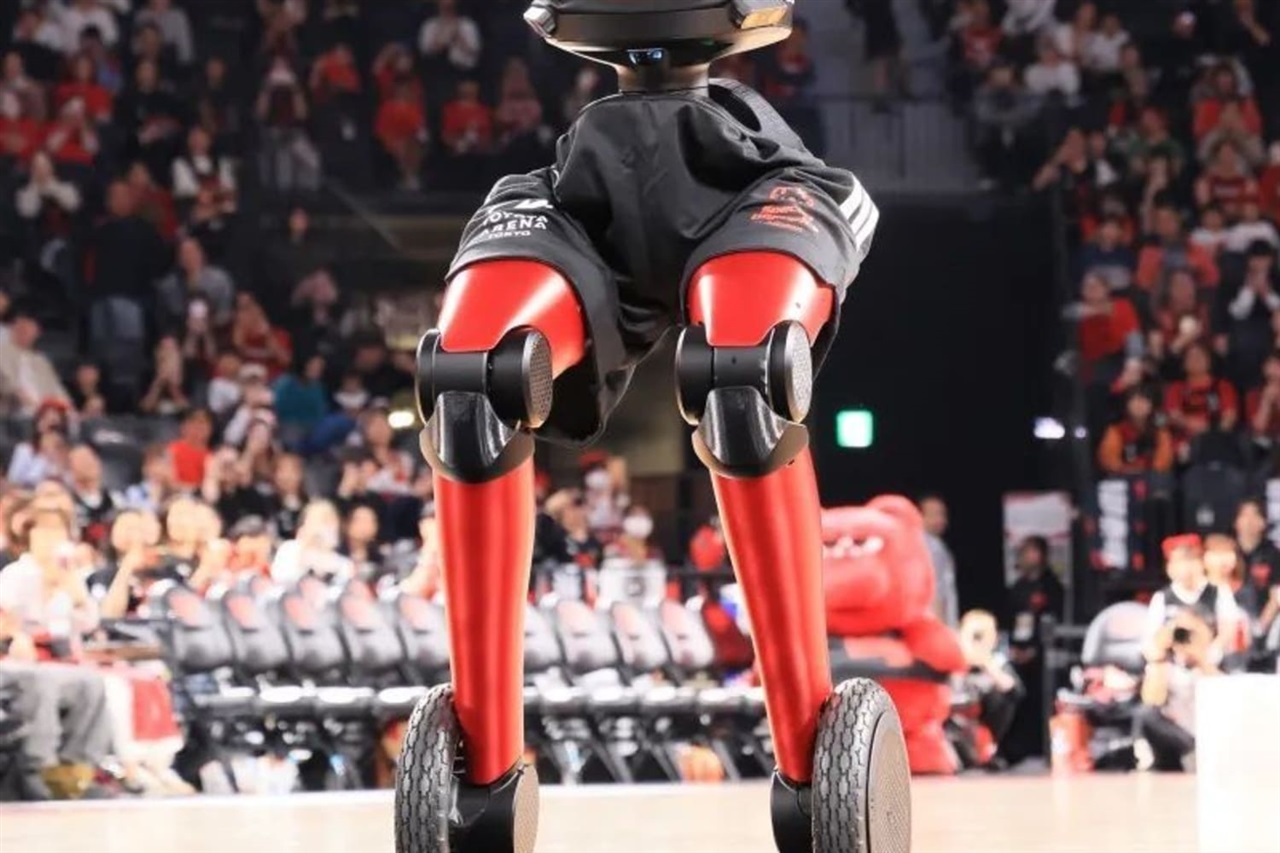
Japan Mobility Show Bizweek 2026 showcased Physical AI applications, including Toyota's basketball-playing rob…
Meta released Muse Spark Open, an open-weight model with 816 billion parameters (42 billion active), up to one…

Nvidia released Nemotron 3.5 Super VL, an open multimodal model with 120 billion parameters for enterprise age…

JPMorgan Chase CEO Jamie Dimon said on the bank's third-quarter earnings call that it is blocking outside AI a…

Accenture CTO Marc Warner told a Fortune Brainstorm AI event that large enterprises and government processes "…