
What happened
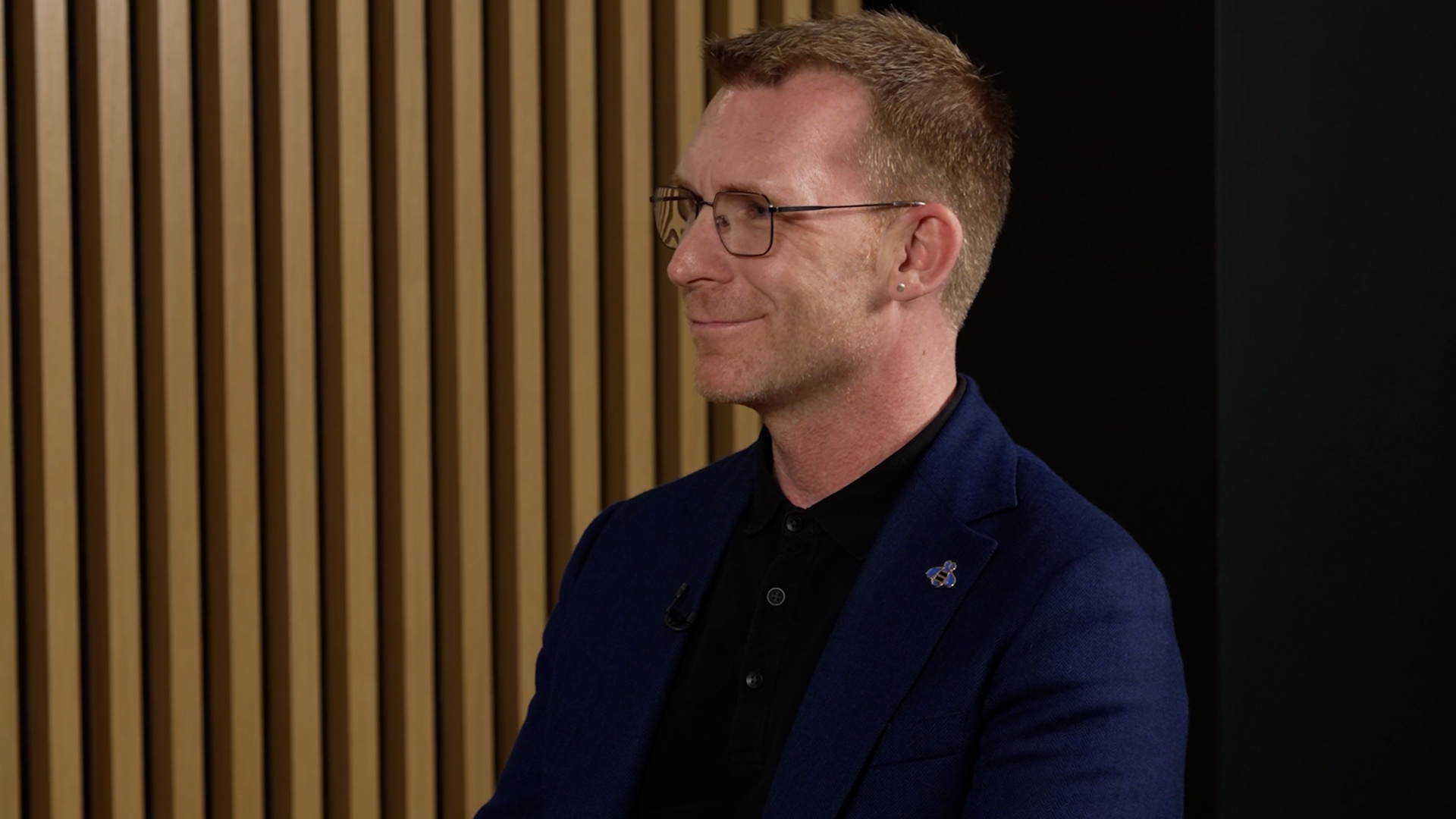
Accenture CTO Marc Warner told a Fortune Brainstorm AI event that large enterprises and government processes "really, truly reinvented with AI at the absolute core" number "basically close to zero." He called AI transformations "politics projects."
Why it matters
Most AI spending sits in peripheral work like marketing and meeting notes, so core operations and their economics remain largely untouched, and Warner said organizations should not focus on blame yet for failed AI projects.
Summaries like this, in your inbox every morning.
The panel's framing put organizational change ahead of software as the binding constraint on AI payoffs. Marc Warner contrasted today's efforts with early factories that used electricity only for lighting before redesigning production around electric motors, and he said most companies have placed AI in peripheral work such as marketing, meeting notes and transcription, with coding "perhaps a little different" because returns there can be measured. Greg Ulrich described the same trap in process terms: speed up one step in an 80-step process and the next step develops a backlog, so the rethinking and remapping matter more than the agent itself. Mastercard said it relies on CEO sponsorship, including weekly updates with the CEO's direct reports, but Ulrich added that no one has solved the politics of large organizations.
On accountability, Warner said there is no single clean answer: the business owner is accountable for an agent's value, the technologist for its functionality and the chief information security officer for its security. He urged companies not to dwell on the blame game yet, making an exception for critical incidents such as a major security breach, and Marjorie Janiewicz said the better question is whether a company controls the technology it adopts and can set its own guardrails — Mistral sells open-weight models customers can run on their own infrastructure.
Plans also age quickly. Ulrich said consulting tools Mastercard built about a year ago are now "quaint, and just not that useful today," so the company is rebuilding them, while Matthieu Caillat said AXA used to "measure twice and cut once" and "can't afford that anymore," because conclusions expire before certainty arrives. Caillat said AXA started with about 400 AI use cases to build enthusiasm, then narrowed its focus, and that the insurer targets €500 million to €700 million a year in recurring pre-tax value from AI by 2029, with about 4 billion unstructured documents it is starting to use. Warner said Accenture's calculations show the pace continuing until something approaching 2030, with energy constraints in the West potentially biting in the early 2030s.
Pick your industry and the AI tools you use, and get news related to your work every day.
Free · 30 seconds with Google · unsubscribe anytimeWhat is AIToday? →
Ask AI anything about this article. The AI reads this article, earlier AIToday articles, and Wikipedia, and cites its sources. Q&As are published on this page for other readers too.
IBM outbound CTO Tyler Lynch said teams should start from customer outcomes, not roles
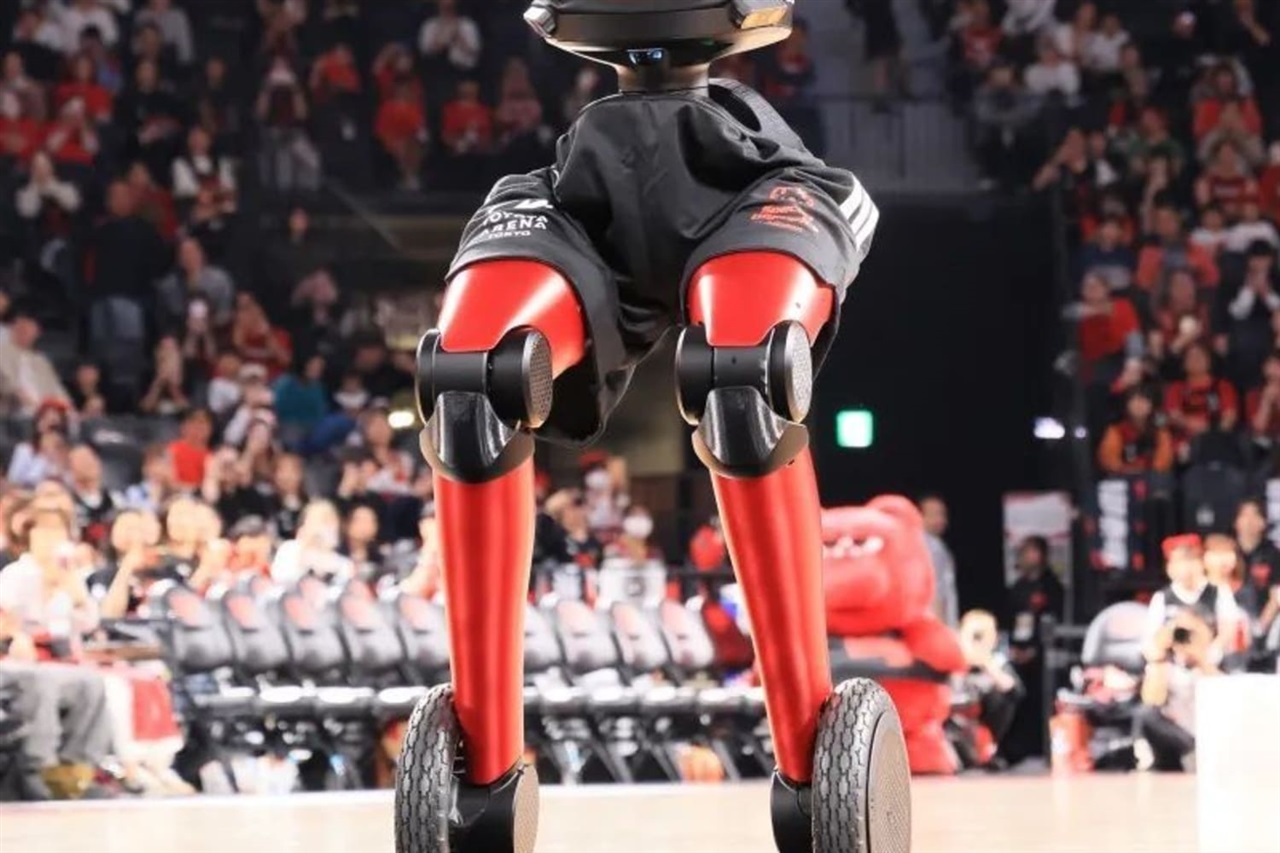
Japan Mobility Show Bizweek 2026 showcased Physical AI applications, including Toyota's basketball-playing rob…
Meta released Muse Spark Open, an open-weight model with 816 billion parameters (42 billion active), up to one…

Nvidia released Nemotron 3.5 Super VL, an open multimodal model with 120 billion parameters for enterprise age…

Nvidia CEO Jensen Huang, on a European tour, announced minority stakes in five U.K
JPMorgan Chase CEO Jamie Dimon said on the bank's third-quarter earnings call that it is blocking outside AI a…